Growing houseplants is a delightful way to bring nature indoors, but pest problems can quickly turn joy into frustration. Common houseplant pests like aphids, mites, mealybugs, and thrips can damage your plants if not managed properly. While physical removal, soaps, or sprays are effective solutions, prevention is key. One natural, non-toxic approach is using pest-repelling plants. We consulted experts to explore whether indoor houseplants can truly deter pests and how to incorporate them effectively.
Meet the Experts

- David Price, an entomologist and certified pest expert at Mosquito Joe.
- Mary Jane Duford, a master gardener, houseplant enthusiast, and founder of the gardening website Home for the Harvest.
How Do Plants Deter Pests?
Certain plants release volatile compounds, such as essential oils, that produce strong aromas. These scents act as natural insect repellents, deterring pests with sensitive olfactory senses. For example, lavender sachets are a well-known remedy for repelling moths that feed on fabrics. Placing pest-repelling plants near your houseplants may help keep pests at bay, though experts note that this method works best when combined with other preventive strategies, depending on the plant and pest type.
Which Houseplants Repel Pests?
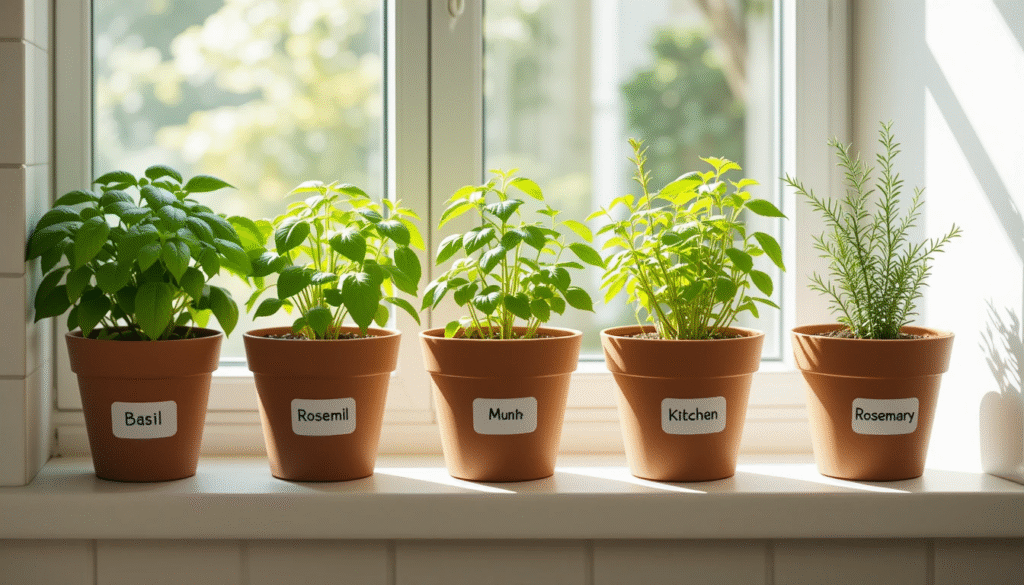
Many plants that deter pests in outdoor gardens, such as thyme, oregano, and parsley, rely on their fragrant properties. However, not all are suited for indoor growing due to specific light or soil needs. For instance, lavender, a powerful pest deterrent, requires full sun and sandy soil, making it challenging to grow indoors. Fortunately, some pest-repelling plants thrive indoors with the right conditions, particularly in a sunny window with at least five hours of bright light daily.
Here are some effective options:
- Mint: Varieties like peppermint, spearmint, and chocolate mint contain menthol, which repels aphids, whiteflies, and ants. Mint grows well in partial sun and, as a bonus, also deters rodents, according to David Price.
- Basil: This herb repels whiteflies but may attract aphids if they’re already present in your home.
- Rosemary: Effective against mosquitoes and flies, but it may attract spider mites or aphids if these pests are already an issue.
When choosing a pest-repelling plant, ensure it won’t attract other pests to your houseplants. Mint is often a safe bet due to its versatility and effectiveness.
Do Pest-Repelling Plants Really Work Indoors?
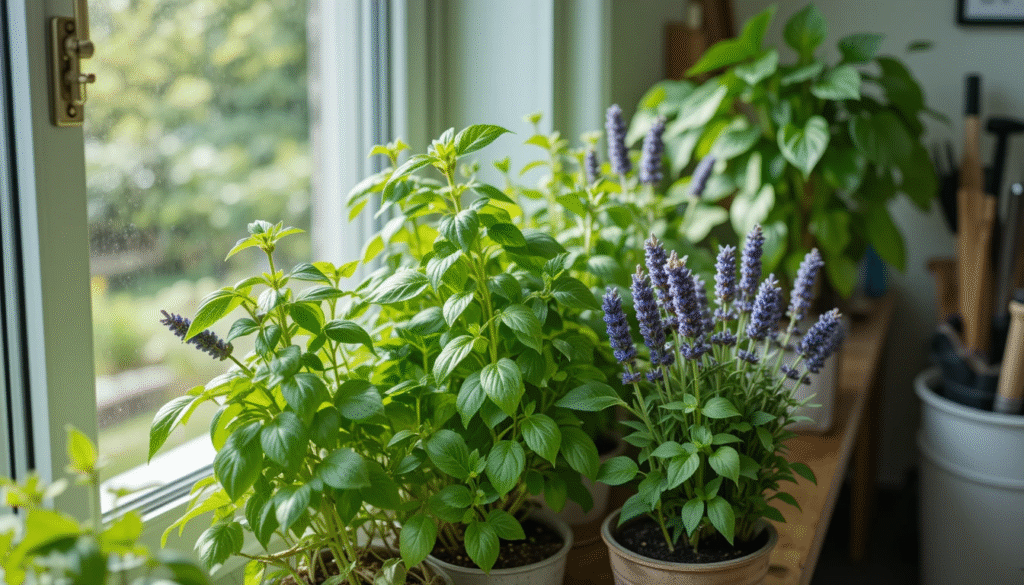
Pest-repelling plants can play a role in preventing infestations, but they’re not a complete solution. Mary Jane Duford recommends lavender, mint, and basil for deterring various pests but emphasizes that these plants alone may not prevent infestations. “Combining pest-repelling plants with good plant hygiene is crucial,” she says. This includes maintaining a clean environment, sterilizing tools and containers, and avoiding reused potting soil to minimize pest and disease risks.
Duford also advises acting quickly if pests appear and removing potential food sources that might attract insects. For added protection, place pest-repelling plants like lavender, mint, or basil near entryways or windows where pests might enter, especially during warmer months when insects are more active.
A Holistic Approach to Pest Prevention
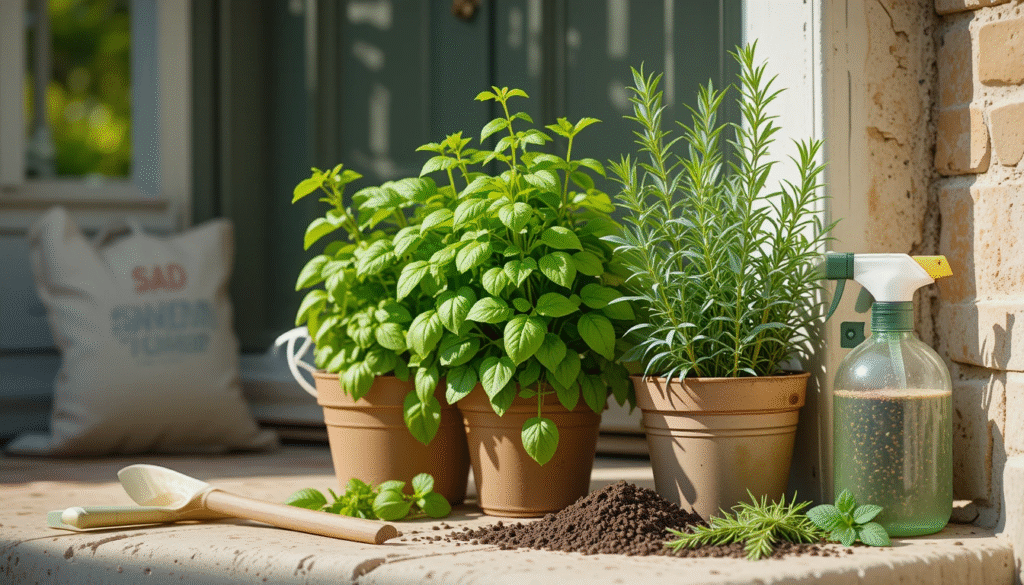
While pest-repelling plants like mint and basil offer some protection, they work best as part of a broader strategy. Combine them with proper plant care, such as regular cleaning, prompt pest treatment, and strategic placement near entry points. By using these aromatic plants as one tool in your pest-prevention toolkit, you can create a healthier environment for your houseplants and keep annoying pests at bay.