By Bash Kaif
Published on 09/08/25
Small bedrooms can pose design challenges, but with the right approach, they can feel just as inviting and functional as larger spaces. “A thoughtfully designed small bedroom feels cozy, serene, and enveloping,” says interior designer Bash Kaif. “Unlike larger rooms that can become cluttered, a well-planned small bedroom becomes a tranquil retreat where every element is intentional.” We asked Kaif for expert tips on making a compact bedroom feel larger and more open.
Meet the Expert
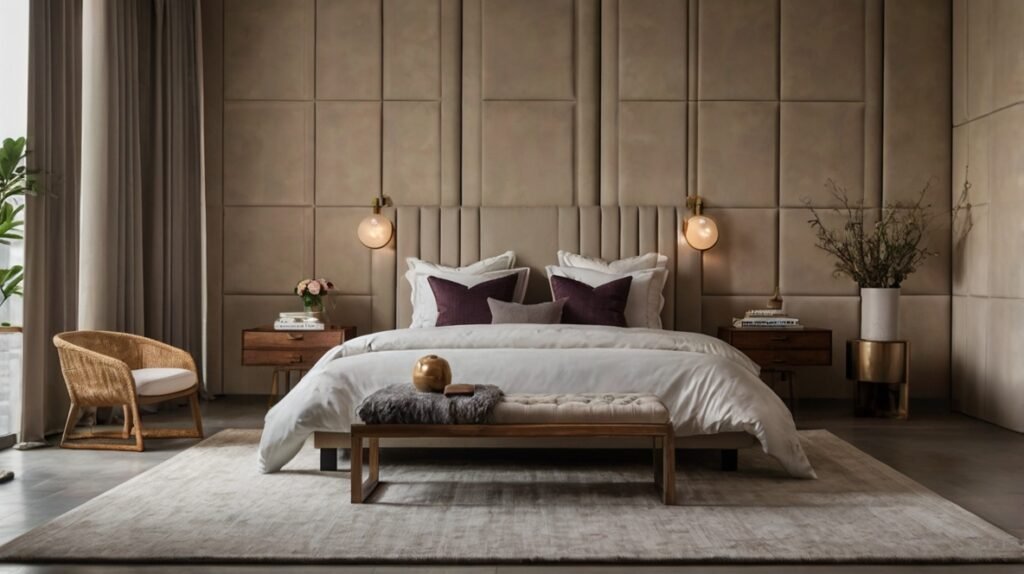
Bash Kaif is an interior designer and founder of a Dallas-based design studio, known for creating functional and aesthetically pleasing spaces.
Opt for a Sleek Bed Frame
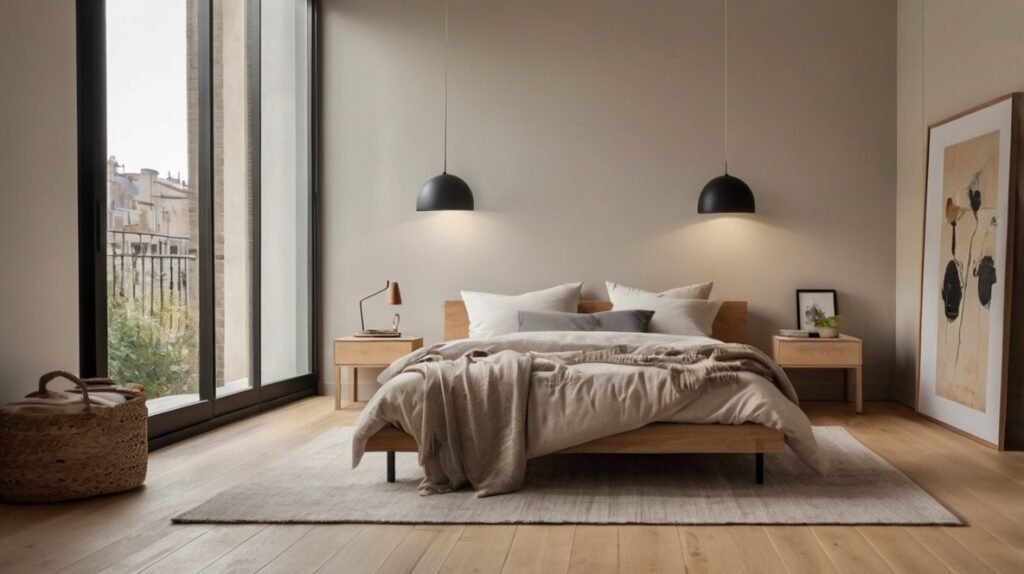
The bed, as the room’s largest piece, sets the tone for the space. Choosing a streamlined bed frame helps keep a small bedroom feeling airy and open. “Avoid heavy platform beds or those with thick skirts,” Kaif advises. “A bed with slim legs and open space underneath creates the illusion of more floor space, making the room feel lighter and more spacious.”
Choose the Right Mattress Size
Selecting an appropriate mattress size is crucial for both comfort and aesthetics in a small bedroom. “Many people assume a king-size mattress is the ultimate luxury, but in a tight space, it can overwhelm the room,” Kaif explains. “Opting for a queen or full-size mattress frees up walking space, making the bedroom feel less cramped and more inviting.”
Keep Bedding Simple
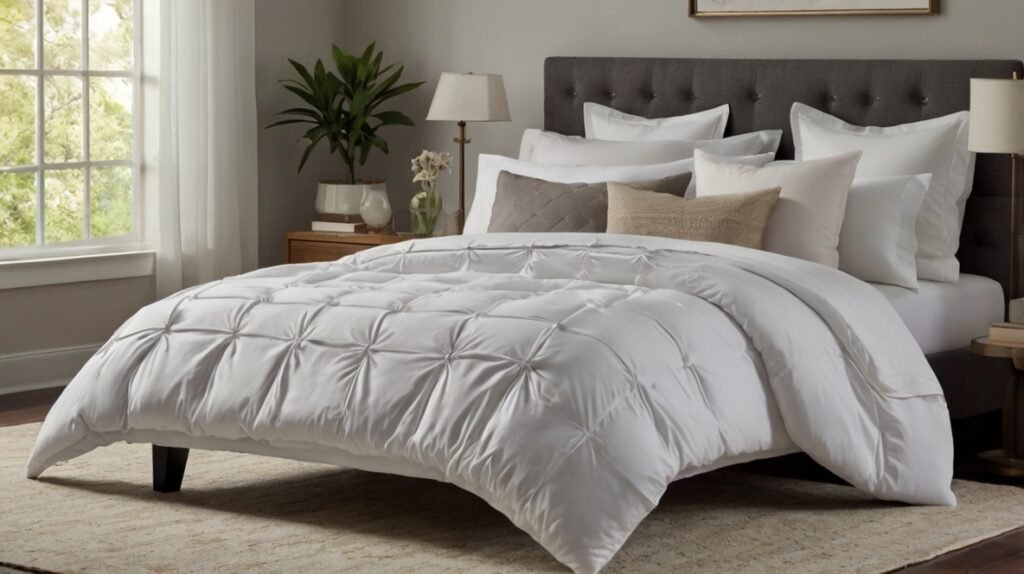
Overloading the bed with excessive pillows and heavy blankets can make a small room feel crowded. “Piling on too many cushions or thick comforters weighs down the space,” Kaif warns. “Choose clean, simple bedding with just a few well-selected pillows to keep the bed feeling open and balanced with the room’s proportions.”
Use Wall-Mounted Nightstands
To create a sense of openness, consider floating nightstands. “Large, heavy nightstands can make a small bedroom feel confined,” Kaif notes. “Wall-mounted shelves or slim floating nightstands keep the floor clear, adding a sense of airiness and making the room appear larger.”
Additional Tips for a Spacious Small Bedroom
Kaif shares these practical strategies to enhance the sense of space:
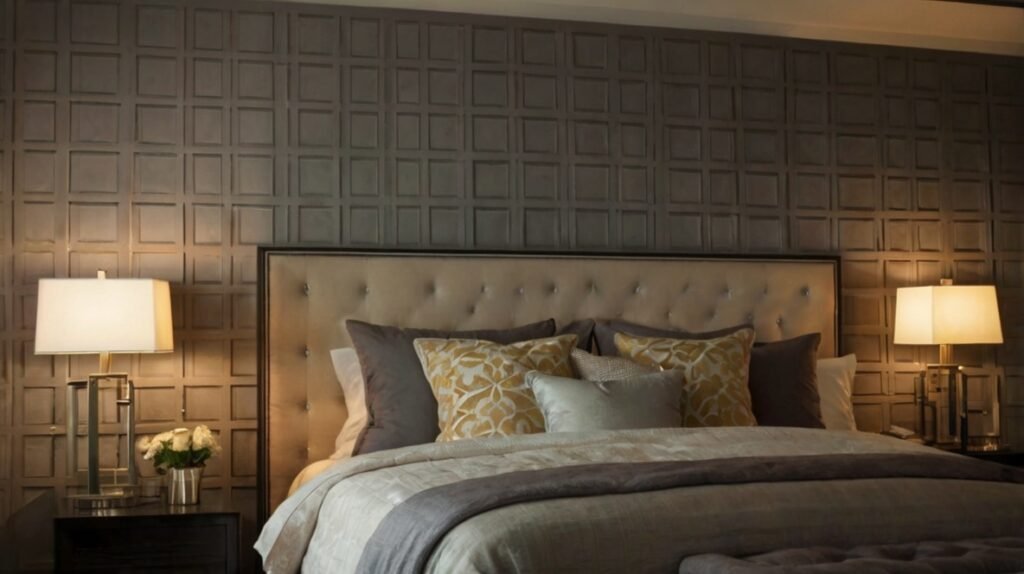
- Incorporate Wall-Mounted Lighting: Swap bulky table lamps for wall sconces or hanging pendants to free up nightstand space and create a lighter, more open feel.
- Utilize Vertical Space: Install tall bookcases, cabinets, or hooks to draw the eye upward, making the room feel taller and more expansive.
- Add a Mirror by the Door: “Placing a mirror opposite the entrance reflects the doorway, instantly stretching the room’s perceived size,” Kaif says.
- Embrace a Monochromatic Palette: Use similar tones for walls, curtains, rugs, and bedding to create a cohesive look. “Tone-on-tone colors blur boundaries, making the space feel larger,” Kaif explains.
- Hang Curtains High: Mount curtains at ceiling height to elongate the room and draw attention upward.
- Choose Large-Scale Wall Art: Opt for one bold piece of art instead of multiple small frames. “A single oversized piece feels intentional and expansive, while small clusters can make walls feel cluttered,” Kaif advises.
- Select Light, Reflective Finishes: Avoid dark, matte colors that absorb light. “Soft, reflective finishes bounce light around, pushing the walls outward visually,” Kaif says.
- Curate Your Belongings: “In a small bedroom, every item must serve a purpose,” Kaif emphasizes. “Edit ruthlessly to ensure each piece enhances the space.”
By focusing on a sleek bed frame, the right mattress size, minimal bedding, floating nightstands, and these smart styling tips, you can transform a small bedroom into a spacious, serene sanctuary that feels both functional and inviting.