By Bash Kaif
Published on 09/11/25
Hey, have you ever looked at your old brick fireplace or wall and thought, “This could use some love!”? Oh, I totally get it—those worn bricks can feel as dated as a kitchen with stained oak cabinets begging for a refresh! Staining brick is like giving your space a glow-up, keeping its natural charm while hiding imperfections. It’s like planting orange flowers in Florida to brighten your yard or choosing shrubs that are drought tolerant for an easy-care garden. I’m breaking down how to stain brick step-by-step, weaving in your favorite home and garden tips like perennial plant small purple flowers and pergola with lights to keep it fun. Let’s chat like we’re tackling this project over coffee!
Project Overview
- Working Time: 2–4 hours
- Total Time: 1–2 days
- Skill Level: Beginner
- Estimated Cost: $50–$100
- Yield: A stunning stained brick fireplace, wall, or floor
What Is Brick Stain?
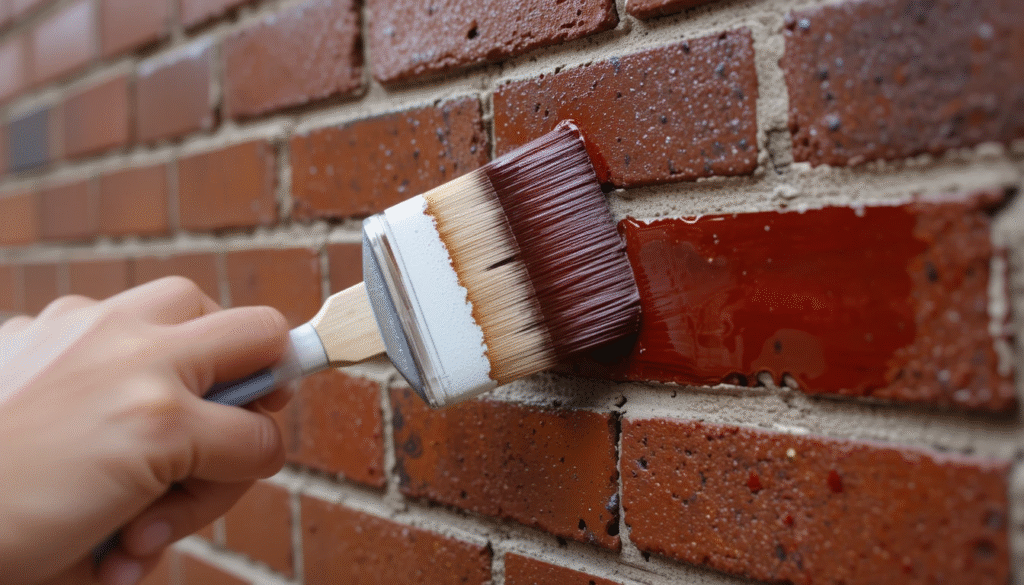
Okay, picture this: brick stain is like a magic potion for your bricks! It soaks into the porous surface, enhancing the color without covering up that gorgeous texture, like a hoya rosita flower adding subtle beauty to your space. Unlike paint, it won’t chip or peel, making it perfect for a fireplace, interior wall, or even a rural driveway entrance with brick accents. It’s as durable as a dwarf Serbian spruce and breathes like a philodendron hederaceum variegated in a humid room.
Staining Brick vs. Painting Brick

Staining and painting are like choosing between a rustic sage green bedroom and a spandex white one—both have their vibe! Here’s the breakdown:
- Staining Brick: Soaks into the pores, keeps the brick breathable, and enhances color (usually darker, like a black alocasia plant). It won’t hide heavy damage but preserves the natural look, like a bush with green and white leaves in your garden.
- Painting Brick: Covers everything (brick and mortar) with a thick, opaque layer, sealing pores and emphasizing texture. It’s like covering a cracked toilet bowl hairline crack—it hides flaws but changes the feel. Paint can go over stained brick, but stain can’t go over painted brick, like trying to paint over oil paint with latex without prep.
Stained Brick: Transparent, thin, breathable, shows patches, permanent, can’t be applied to painted brick.
Painted Brick: Opaque, thick, seals pores, hides patches, removable (with effort), can cover stained brick.
What You’ll Need
Equipment/Tools
- Clean buckets
- Paint brush
- Wood stirring stick
- Nylon bristle scrub brush
- Waterproof gloves
- Drop cloth
- Eye protection
- Pressure washer (for exterior brick)
Materials
- Brick stain
- Mild detergent or TSP
- Painter’s tape
Step-by-Step Guide to Staining Brick
1. Test the Stain First
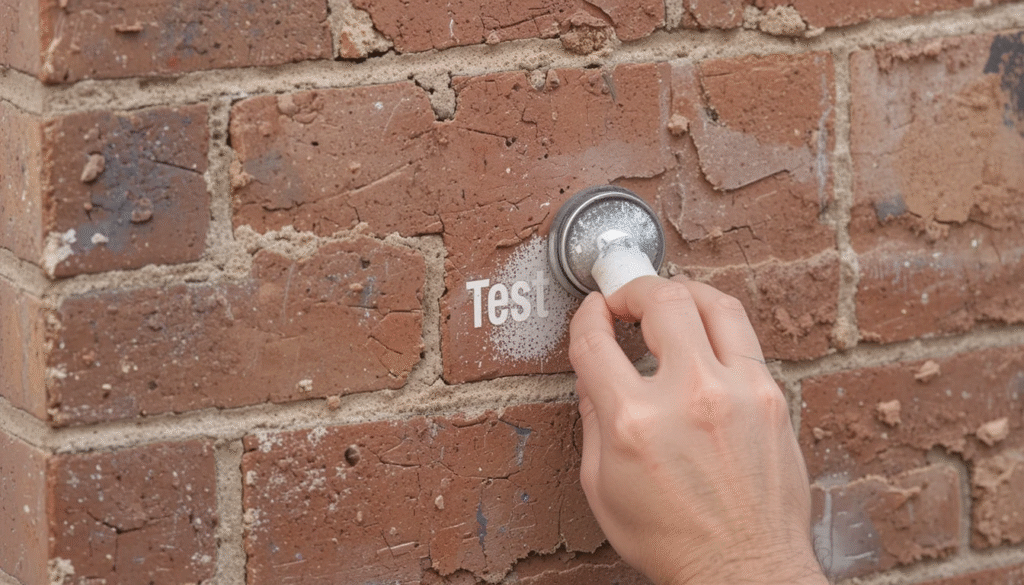
Let’s not dive in blind! Test the brick stain on a hidden spot—like the side of a fireplace apron or a corner of an exterior wall—to see how the color pops, similar to testing how fast a monstera grows before committing to a pot. It’s like picking the perfect san diego red bougainvillea for your garden—get it right first!
2. Check for Sealant
This step’s like making sure your dishwasher has a dedicated circuit—super important! Flick a few drops of water onto the brick. If it soaks in, you’re good—no sealant. If it beads up, there’s a sealant blocking the stain, like water rolling off a waterproof laminate vs vinyl plank floor. Remove it with a pressure washer (use a wide spray to avoid damage) or scrub gently with a metal brush for tough spots, then test again.
3. Clean the Brick Thoroughly
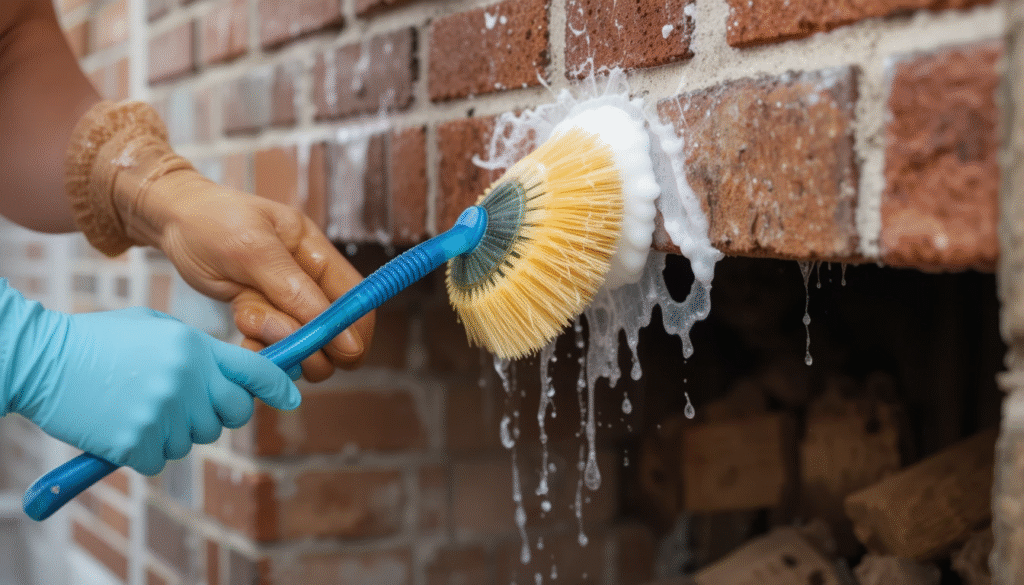
Nobody wants to stain a dirty surface—it’s like cooking with mold on a cutting board! Scrub the brick with a nylon-bristle brush and mild detergent or TSP in warm water, like cleaning a shower door towel bar. Rinse well and let it dry for a full day—moisture-free brick is key, like waiting for a yarrow seedling to settle before watering.
4. Prep Your Space
Time to set the stage! Swap out any wet drop cloths for dry ones and tape up edges with painter’s tape, like measuring tub plumbing rough-in dimensions for precision. Pop on waterproof gloves, work clothes, and eye protection—safety first, like using electrical straps to secure wiring. Pro tip: Practice with a brush and water to get a feel for how fast the brick soaks it up, like planning how high above a table a chandelier should be.
5. Mix the Stain

Mixing stain is like potting a splendid philodendron—follow the instructions! Combine the stain pigment with water per the product guidelines, stirring until it’s clump-free. Undissolved pigment can leave splotches, like images of grass fungus on your lawn. Keep it smooth for a finish as vibrant as a fire and ice hibiscus plant.
6. Apply the Stain
Here’s where the magic happens! Dip your brush in the stain and apply it in smooth, overlapping strokes, ensuring even coverage, like laying out a backsplashes herringbone pattern in a kitchen with stained oak cabinets. Go light on the mortar—it soaks up more stain than brick, like a mini rosa drinking up water. If staining a floor, plan your start and end points to avoid stepping on wet areas, like mapping out a pergola with lights.
7. Let It Cure
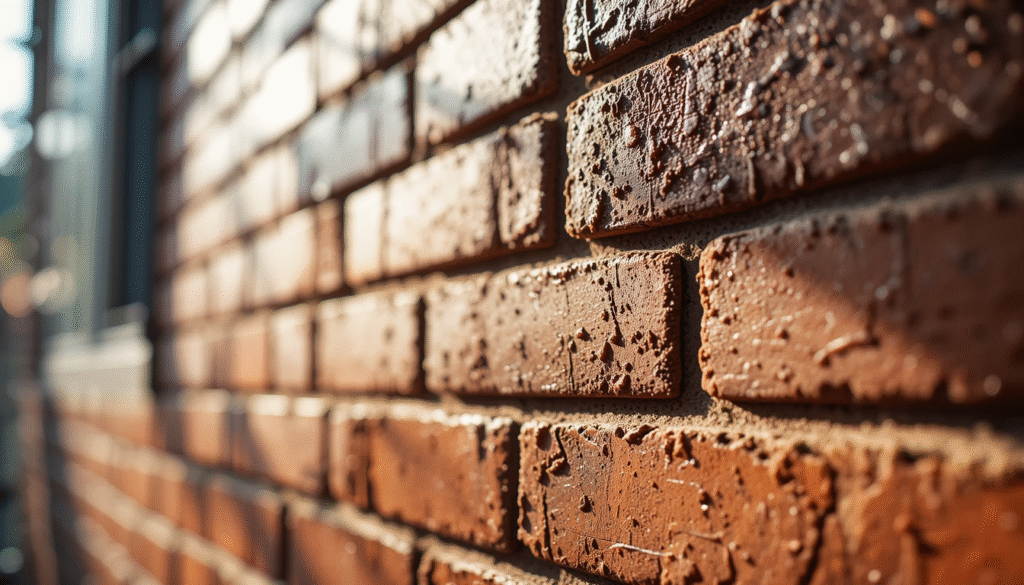
Patience is key, my friend! Curing depends on temperature, humidity, and airflow. In warm, dry, breezy conditions, the stain dries almost instantly, like a black prince snapdragon blooming fast. Pooled areas might take a day or two—dab them with a clean cotton rag, like wiping a shower door towel bar. Your brick will look as fresh as a hoya compacta variegata in full glory!
Types of Brick Stain
- Water-Based Stain: Easy to apply, fast-drying, but less vibrant, like a tiny tortuga turtlehead in subtle light. Great for beginners.
- Oil-Based Stain: Trickier to apply (needs solvent cleanup) but longer-lasting, like a woodward juniper standing strong. Perfect for durability.
- Opaque Stain: Solid, paint-like coverage for bold changes.
- Semi-Transparent Stain: Preserves the brick’s natural look, like a rare philodendron showing off its texture.
Tips for Staining Brick
- Dilute with more water for a lighter coat, like watering a calathea sanguinea sparingly.
- Start light—you can always go darker, like choosing peach daisies for a soft garden vibe.
- Stir frequently to keep pigment even, like mixing a rustic sage green paint.
- Be gentle with mortar—it absorbs more than brick, like a prehung door soaking up stain.
- Plan your path for floors to avoid walking on wet stain, like plotting a rural driveway entrance.
- Avoid stepping on freshly stained areas, like protecting a biggest ponytail palm from foot traffic.
FAQ
What’s the best type of stain for bricks?
Water-based brick stain is often the go-to—easy to apply, breathable, and made for brick, concrete, or masonry, like planting flowering bushes for zone 5 that thrive effortlessly.
Is staining brick better for interior or exterior surfaces?
It works great for both! Exterior stain fades with UV exposure, just like a white oak tree vs red oak tree weathers over time, but it lasts as long as the brick itself indoors.
How long does brick stain last?
Brick stain bonds permanently, lasting as long as the brick, like a creekside green garden staying vibrant with care.
Does stain make brick darker or lighter?
Stain usually darkens brick, deepening both light and dark areas, like a captive alstroemeria adding richer hues to your garden.
Final Thoughts
Staining brick is like giving your home a big hug—it refreshes everything without losing that natural charm! Whether it’s a fireplace, wall, or floor, this beginner-friendly project is as rewarding as planting a perennial plant with small purple flowers or designing modern pool tile ideas. With the right prep and timing, your brick will shine like a pergola with lights at dusk. Got more projects in mind, like how many screws in drywall or the difference between l vs m copper for plumbing? Let’s keep the reno chat going, friend!