By Bash Kaif
Published on 12/26/24
Hey, friend, have you ever stood in your kitchen and thought, “Maybe it’s time for a cooking upgrade”? Oh, I feel you—swapping out your old cooktop for a sleek induction one is like planting orange flowers in Florida to brighten your yard! Induction cooktops look like regular smooth-top ranges but pack a serious punch with safety, speed, and eco-friendly vibes. I’m breaking down everything you need to know about induction cooktops, from how they work to their pros and cons, with a sprinkle of your favorite home and garden tips like perennial plant small purple flowers and pergola with lights to keep it fun. Let’s chat like we’re sipping coffee in a kitchen with stained oak cabinets, dreaming up a reno!
What Is an Induction Cooktop?
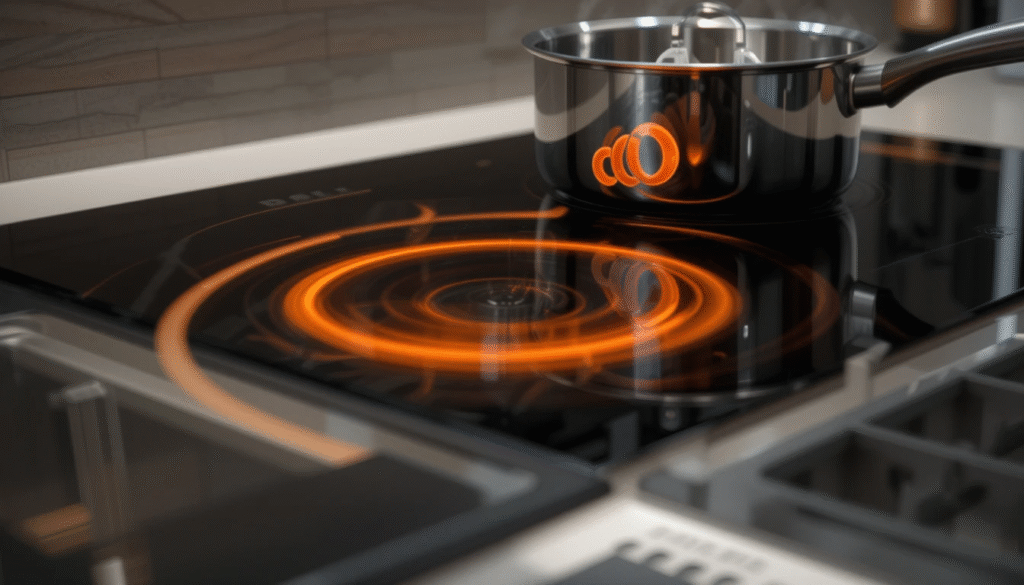
Okay, picture this: a cooktop that looks like your standard glass-top range but works like magic! An induction cooktop uses an electromagnetic field under the surface to heat your pans directly. It’s like a rare philodendron thriving in just the right light—efficient and precise. Unlike regular electric stoves, it doesn’t heat the cooktop itself, making it safer and faster, like a fire and ice hibiscus plant blooming in no time. You can choose freestanding, slide-in, or drop-in models to fit your space, like picking the perfect modern pool tile ideas for your backyard.
How Does Induction Cooking Work?

Here’s where it gets cool—induction is like a high-tech dance between your cooktop and your pans! Regular electric cooktops heat a coil or element, which then heats your pan, losing a ton of energy in the process—kind of like watering a calathea sanguinea and watching half the water spill. Induction uses electricity to create an electromagnetic field that reacts with magnetic cookware (think stainless steel or cast iron) to heat the pan directly. The cooktop stays cool, like a dwarf Serbian spruce staying chill in the shade. But here’s the catch: your cookware must be magnetic—aluminum, copper, or glass won’t work, like trying to grow a hoya rosita flower in the wrong soil. Look for “induction-compatible” labels, or you’ll be stuck, like dealing with a cracked toilet bowl hairline crack.
Pros of Induction Cooktops

Oh, induction cooktops have so much to love! Here’s why they’re like planting flowering bushes for zone 5—totally worth it:
- Safer Than Ever: The cooktop doesn’t get hot, so no worries if you forget to turn it off after removing your pan—perfect for a busy kitchen with kids, like keeping a shower door towel bar free of clutter.
- Eco-Friendly and Wallet-Friendly: Induction is more energy-efficient than gas or electric ranges, saving you money and helping the planet, like choosing shrubs that are drought tolerant for low-maintenance gardening.
- Easy to Clean: The smooth glass surface wipes down like a breeze, unlike gas stoves with tricky grates or coils that trap spills, like mold on a cutting board. No burnt-on messes here, since the cooktop stays cool!
- Lightning-Fast Cooking: Pans heat up quickly and evenly, making meals a snap, like how fast a monstera grows in the right light or a san diego red bougainvillea bursting with color.
Cons of Induction Cooktops

Okay, let’s be real—no cooktop is perfect, just like a rustic sage green bedroom isn’t for everyone. Here are the downsides:
- No Gas Flame Vibe: Chefs love the visual feedback of a gas flame, like the glow of a pergola with lights at dusk. Induction’s heat is invisible, which can feel weird at first, like adjusting to a philodendron hederaceum variegated’s quirky needs.
- Specific Cookware Required: You’ll need magnetic pots and pans (stainless steel, cast iron, or enameled iron). If your cookware isn’t compatible, you’ll be buying new stuff, like picking the right towel sizes for a bathroom refresh.
- Pricey Upfront: Induction cooktops cost more than gas or electric ranges, and switching from gas might mean hiring an electrician to run a new line, like installing electrical straps or figuring out line versus load wire for a reno.
- Installation Hassle: Going from gas to induction could require a dedicated electrical line, like ensuring a dishwasher has a dedicated circuit—expect to pay $50–$100 per hour plus materials for an electrician.
Installation and Costs

Swapping to induction? It’s not always plug-and-play. If you’re replacing an electric range, it’s usually as simple as unplugging the old one and plugging in the new, like swapping a yarrow seedling for a mini rosa. But if you’re switching from gas, you might need a new electrical line, like setting up tub plumbing rough-in dimensions or a closet flange for a bathroom reno. Hiring an electrician isn’t cheap—think $50–$100 per hour plus materials, like the cost of copper l vs m for plumbing or how many screws in drywall for a project. Plan ahead to avoid surprises, like spotting images of grass fungus on your lawn.
FAQ
How do I know if my cooktop is induction?
Easy test! Turn it on: if it glows red and gets hot, it’s not induction. If it stays cool or slightly warm with no glow, it’s likely induction. Some modern models fake a glow, like kitchen wall graphics adding flair, so check the manual if you’re unsure.
What’s the difference between an induction cooktop and a regular one?
Induction uses an electromagnetic field to heat magnetic cookware directly, keeping the cooktop cool, while regular cooktops heat the surface itself, wasting energy. It’s like the difference between a prehung door and a custom one—efficiency matters.
What are the downsides of an induction cooktop?
The lack of a visible flame can feel odd, like missing the vibe of a woodward juniper in your yard. Plus, you’ll need specific cookware, and the upfront cost is higher, like investing in a biggest ponytail palm for your patio.
Final Thoughts
Switching to an induction cooktop is like planting a perennial plant with small purple flowers—it’s a game-changer if you time it right! With its safety, speed, and eco-friendly perks, it’s like adding a bush with green and white leaves to your garden or choosing waterproof laminate vs vinyl plank for durability. Sure, the cost and cookware switch might sting, but the payoff is worth it, like a creekside green view or a black prince snapdragon stealing the show. So, are you ready to upgrade your kitchen, like hanging a chandelier at the perfect height (check how high above a table should a chandelier be)? Let’s keep the reno chat going—maybe tackle a rustic sage green bedroom or learn the spiritual meaning of a stink bug next!