Introduction
Mold is a common issue in homes, often appearing as unsightly black, green, or white patches on walls, ceilings, or other surfaces. The temptation to cover it up with a quick coat of paint can be strong, especially if you’re preparing your home for sale or just want a quick fix. However, painting over mold is a dangerous shortcut that can exacerbate the problem. This article explores why painting over mold is a bad idea, the risks involved, effective alternatives, and expert tips for addressing mold properly, based on insights from industry professionals and reliable sources like The Spruce.
Why Painting Over Mold Is a Bad Idea
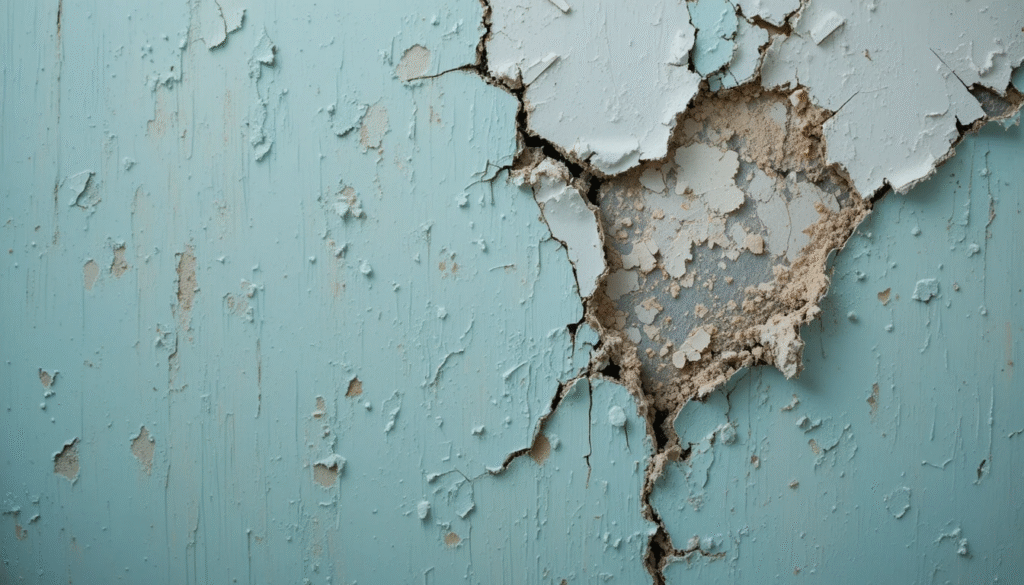
Painting over mold does not eliminate the problem; it merely hides it temporarily while allowing the mold to continue growing beneath the surface. Here are the key reasons why this approach is ineffective and risky:
1. Mold Continues to Grow
Mold is a living organism that thrives in moist, humid environments. Covering it with paint does not kill it or stop its growth. According to Kellyn Berry, an environmental expert cited by The Spruce, “Painting over mold will not kill it or stop it from growing. The mold will continue to spread under the paint, causing further damage to the surface and potentially compromising indoor air quality.”
2. Health Risks
Mold releases spores that can cause health issues, including respiratory problems, allergies, and skin irritation. Painting over mold traps these spores, allowing them to remain active and potentially worsen health risks. The Centers for Disease Control and Prevention (CDC) notes that exposure to mold can lead to symptoms like nasal stuffiness, throat irritation, coughing, and even more severe reactions in individuals with compromised immune systems.
3. Structural Damage
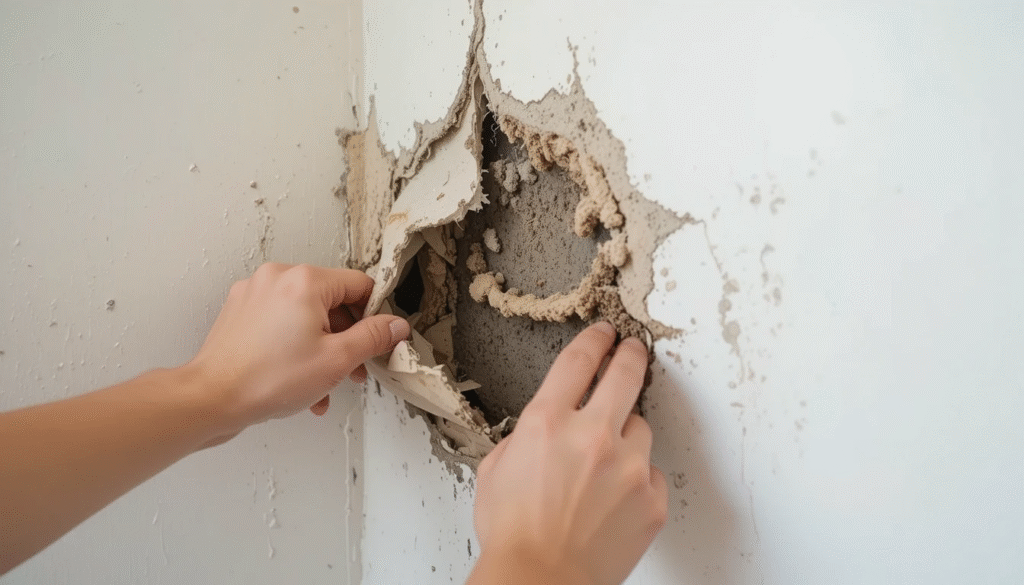
Mold can weaken the structural integrity of walls, drywall, and other surfaces by breaking down organic materials. Painting over it masks the visible signs of damage, delaying necessary repairs. Over time, this can lead to costly renovations, as the mold continues to eat away at the underlying materials.
4. Paint Failure
Mold growth under paint can cause the paint to bubble, peel, or crack, ruining the aesthetic you’re trying to achieve. The moisture that supports mold growth will continue to affect the painted surface, leading to a cycle of repainting and worsening damage.
5. Legal and Ethical Concerns
If you’re selling a home, painting over mold without disclosing it can lead to legal repercussions. Many regions require sellers to disclose mold issues, and covering it up could result in lawsuits or financial penalties. Ethically, it’s irresponsible to hide a health hazard from future occupants.
Alternatives to Painting Over Mold
Instead of painting over mold, take proactive steps to address the problem at its source. Here are effective alternatives recommended by experts:
1. Identify and Fix the Moisture Source
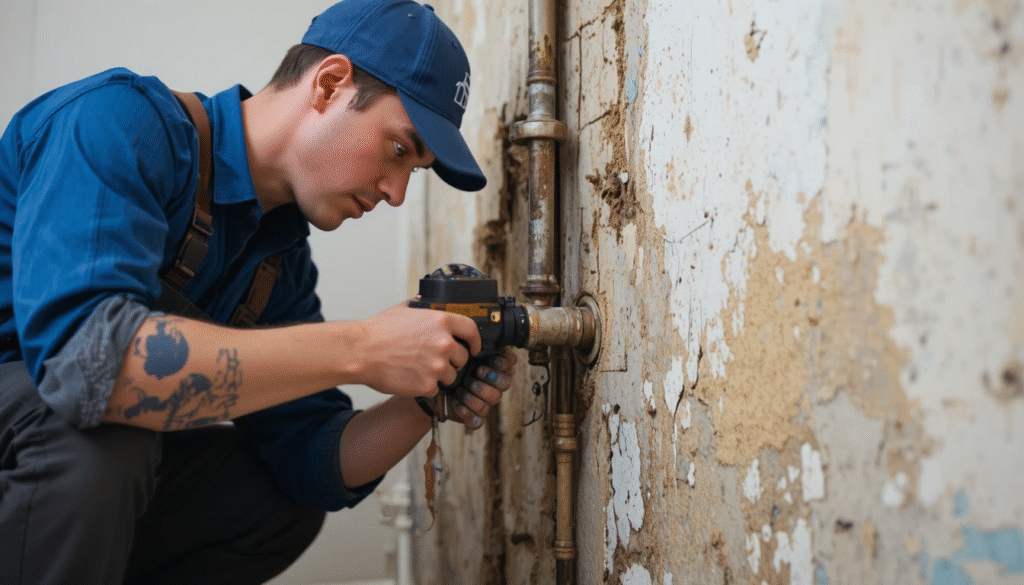
Mold thrives in damp environments, so the first step is to identify and eliminate the source of moisture. Common causes include:
- Leaky pipes or roofs
- Poor ventilation in bathrooms or kitchens
- High humidity levels
- Flooding or water damage
Use a dehumidifier to reduce humidity levels below 60%, and repair any leaks or structural issues promptly. Ensure proper ventilation by using exhaust fans or opening windows in high-moisture areas.
2. Remove the Mold
Mold must be physically removed before any painting can occur. Here’s how to do it safely:
- Small Areas (Less than 10 Square Feet): For minor mold growth, you can clean the area yourself using a solution of water and detergent or a commercial mold remover. Wear protective gear, including gloves, a mask, and goggles, to avoid exposure to spores.
- Large Areas or Severe Infestations: Hire a professional mold remediation service. The Environmental Protection Agency (EPA) recommends professional help for mold covering more than 10 square feet, as it may indicate a larger underlying issue.
3. Use Mold-Resistant Products
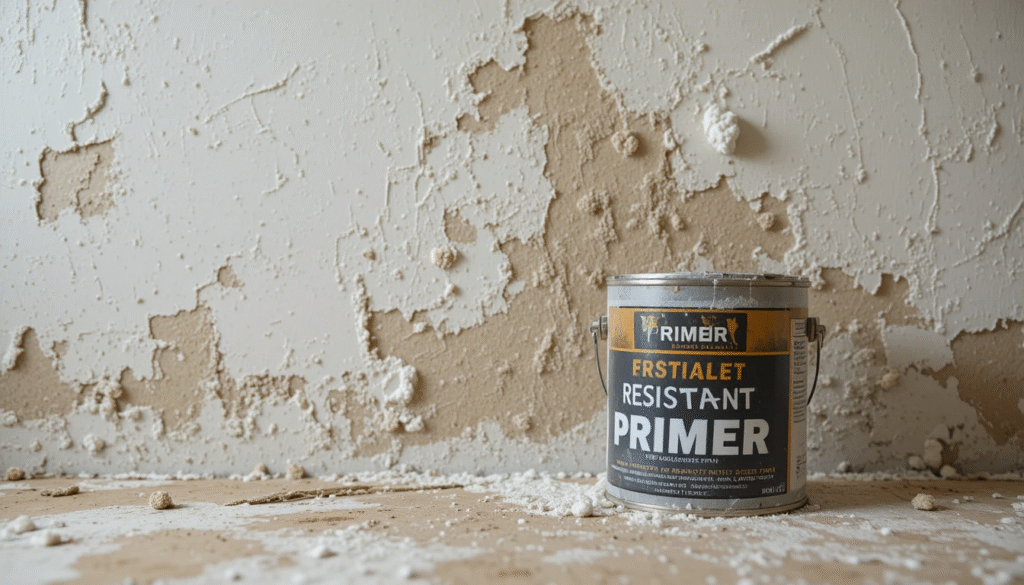
After removing mold and addressing moisture, consider using mold-resistant primers and paints as a preventive measure. Products like Kilz or Zinsser Mold Killing Primer are designed to create a barrier against future mold growth. These should only be applied to clean, mold-free surfaces.
4. Improve Ventilation
Install exhaust fans in bathrooms and kitchens, and use air conditioners or dehumidifiers in humid climates. Regularly inspect areas prone to moisture, such as basements and attics, to catch problems early.
5. Monitor and Maintain
Regularly check for signs of mold recurrence, especially in high-risk areas. Use a hygrometer to monitor indoor humidity levels and keep them between 30-50%. Address any water damage immediately to prevent mold from returning.
Visual Summary
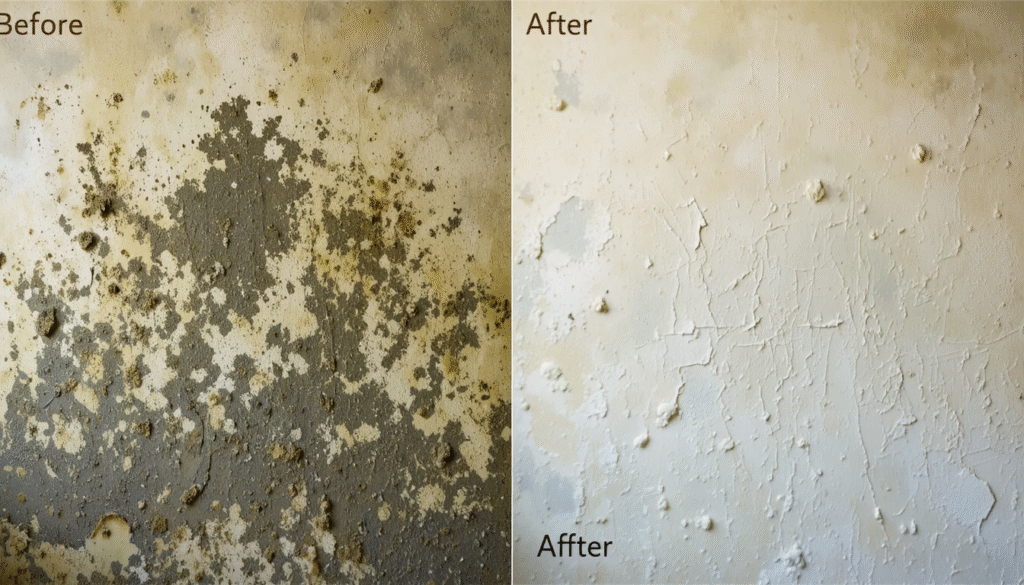
Images often accompanying articles like the one from The Spruce include:
- Photos of mold growth on walls, showing black or green patches.
- Before-and-after images of mold remediation, highlighting clean surfaces post-treatment.
- Visuals of mold-resistant paint cans or dehumidifiers, emphasizing preventive tools.
These visuals reinforce the importance of addressing mold properly rather than covering it up.
Frequently Asked Questions (FAQs)
Here are answers to common questions about painting over mold, based on expert insights:
Q: Can I paint over mold if I use mold-resistant paint?
A: No, mold-resistant paint should only be applied to clean, mold-free surfaces after proper remediation. Painting over active mold will not stop its growth.
Q: How can I tell if mold is still active after painting?
A: Signs include bubbling or peeling paint, a musty odor, or visible mold growth breaking through the paint. If you suspect mold, test the area and consult a professional.
Q: Is it safe to clean mold myself?
A: For small areas (less than 10 square feet), cleaning with proper precautions is generally safe. For larger infestations, hire a professional to avoid health risks and ensure thorough removal.
Q: How long does it take to remediate mold?
A: The timeline depends on the extent of the infestation. Small areas may take a day to clean, while severe cases requiring professional remediation could take several days or weeks.
Q: Can mold come back after remediation?
A: Yes, if the moisture source isn’t addressed, mold can return. Regular maintenance and humidity control are essential to prevent recurrence.
Conclusion
Painting over mold is a temporary fix that can lead to serious health risks, structural damage, and costly repairs. Instead, address the root cause of mold by fixing moisture issues, removing the mold properly, and using preventive measures like mold-resistant primers. By following expert advice and maintaining a dry, well-ventilated home, you can protect your property and health from the dangers of mold. For more detailed guidance, consult resources like The Spruce or contact a professional mold remediation service.