Nothing stings quite like spotting those fuzzy black spots creeping across your shower grout, turning a quick rinse into a cringe-worthy chore. I remember the first time I noticed them in my own bathroom—my heart sank, picturing endless scrubbing or calling in a pro for a pricey fix. But then I discovered white vinegar, a humble kitchen staple that packs a punch against mold, leaving you with that satisfying ahh of a freshly cleaned space. It’s not just effective; it’s empowering, like reclaiming your sanctuary from an invisible invader. In this guide, we’ll walk through how to tackle stubborn shower grout mold using vinegar, why it works, and tips to keep it from coming back, sprinkled with home and garden insights like neem oil for spider mites on your sting ray plant and white kitchen with black hardware for a crisp vibe.
Why Vinegar Is Your Mold-Fighting Hero
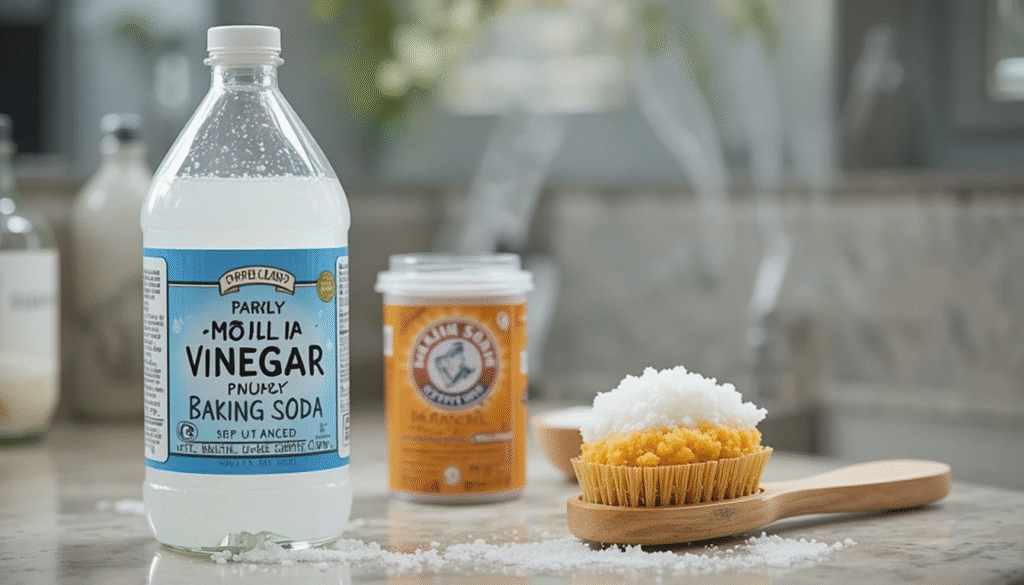
Vinegar’s acetic acid is a natural disruptor, breaking down mold cells and dissolving grime without harsh chemicals, much like septic safe cleaners keeping your system happy. It’s eco-friendly, affordable, and safe for most surfaces, giving you that emotional lift of a DIY win. For light mold, it’s a game-changer, restoring your sage green bathroom cabinets to their glory without the regret of stronger cleaners that might damage grout.
Step-by-Step: Cleaning Shower Grout Mold with Vinegar
Roll up your sleeves—this process is straightforward and rewarding, like lawn mowing patterns yielding a pristine yard. You’ll need white vinegar, a spray bottle, a stiff nylon brush or old toothbrush, gloves, and a mask for protection.
1. Ventilate and Prep
Start by cracking a window or running your exhaust fan—good airflow is key, like pvc furnace venting code for safe operation. Slip on gloves and a mask to shield yourself from spores, evoking that cautious relief of handling load vs. line electrical wiring. This step sets a calm tone, preventing the overwhelm of a steamy, stuffy bathroom.
2. Spray and Soak
Fill a spray bottle with undiluted white vinegar and generously mist the moldy grout, letting it sit for 10-30 minutes. The acid works its magic, loosening the grime like how to strip paint from concrete without the hassle. As it soaks, imagine the satisfaction of those spots fading, like yellow bells shrub blooming after a rain.
3. Scrub Away the Grime
Grab a stiff brush or toothbrush and scrub the grout lines with energy—the vinegar has softened the mold, making it yield like spider mites under neem oil treatment. For stubborn areas, sprinkle baking soda on the wet grout and spray more vinegar for a fizzy reaction that lifts the residue, like diatomaceous earth killing mites on your hanging orchid cactus. The physical act feels therapeutic, washing away not just mold but the stress it brought.
4. Rinse and Revel
Rinse the grout with clean water, wiping with a cloth for a streak-free shine, like rinsing sink after a messy meal. Let it air dry, stepping back to admire your handiwork—your bathroom now feels renewed, as fresh as perennials part sun like philo white princess in a white kitchen with black hardware.

Why Vinegar Works So Well
Vinegar’s acetic acid lowers pH, disrupting mold cell walls and enzymes, making it an ideal foe for light growth in damp spots like showers. It sanitizes without residue, unlike bleach that can etch grout, evoking that gentle confidence of septic safe cleaners. For deeper mold, it’s a first step, but recurring issues signal ventilation woes, like how long can mice go without food before they become a problem.
Prevention: Keep Mold at Bay for Good

The real victory is stopping mold before it starts—think of it as proactive care, like what does potassium do for lawns for a lush green. Squeegee walls after showers to remove moisture, like how to clean pool tile for sparkle. Re-grout cracked lines to seal gaps, as crucial as shower valve height precision. Ventilate with fans or open windows, ensuring feng shui for bathroom colors balance. In winter, keep the room heated to fight condensation, like planting winter rye grass for resilience. Check windows for leaks and extractor fans for efficiency, turning your bathroom into a mold-free retreat.
Conclusion
Tackling shower grout mold with vinegar is a small act that brings big relief, transforming a frustrating spot into a space of pride, like flowers that start with s blooming in a flowers by a pond. With its simple steps and natural power, it’s a DIY win that feels empowering, leaving your sage green bathroom cabinets gleaming. Pair this routine with garden care like neem oil for spider mites on cherokee purple tomato growing, and your home will stay fresh and vibrant. Embrace the process, and watch your sanctuary shine.