10 Best Interior Design Ideas for 2026: Innovate Your Home Style
The 10 best interior design ideas for 2026 include biophilic design, smart home integration, sustainable materials, and more. These trends will reshape how we think about home aesthetics and functionality.
Key Statistics:
- According to a 2023 Houzz survey, 80% of homeowners plan to invest in home renovations within the next two years.
- The global interior design market is projected to reach $255 billion by 2026 (source: Grand View Research).
- A study by the American Society of Interior Designers found that 50% of homeowners prioritize eco-friendly materials.
What is Biophilic Design and Why Will It Dominate in 2026?
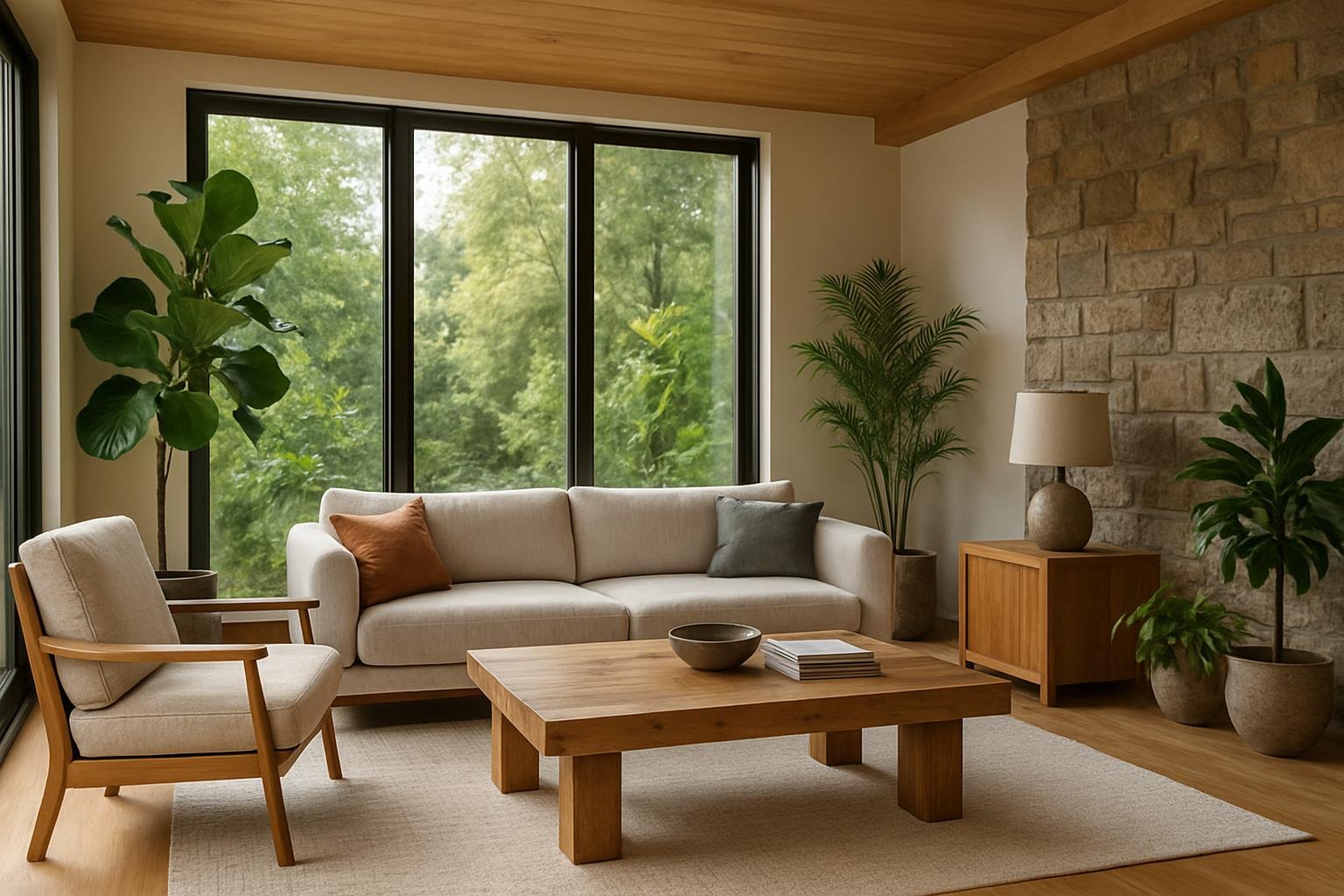
Biophilic design connects indoor spaces with nature. It incorporates natural elements, light, and greenery to improve well-being. This design approach is expected to gain popularity in 2026 as more people recognize the mental and physical benefits of nature in our built environments.
How Does Biophilic Design Enhance Well-being?
Bringing nature into design promotes relaxation and reduces stress. Research shows that exposure to natural elements can lower blood pressure and enhance mood. According to DesignIntelligence, 60% of designers believe biophilic design will be a key trend in 2026. This reflects a wider societal shift towards wellness-oriented living.
Key Elements of Biophilic Design
Key elements of biophilic design include natural light, plants, water features, and organic materials. For example, using large windows allows sunlight to fill spaces, creating a sense of openness and connection to the outdoors. Adding indoor plants not only purifies the air but also brings color and life to interiors.
Experts predict that biophilic design will evolve to include features like living walls and automated irrigation systems. They stress that this trend will improve aesthetics and positively impact the health and productivity of occupants.
How Smart Home Technology is Shaping Interior Design
Smart home technology is changing how we interact with our living spaces. By incorporating advanced technology into design, homeowners can enhance both functionality and convenience. In 2026, smart innovations will continue to play a significant role in interior design choices.
What Are the Latest Smart Home Innovations?
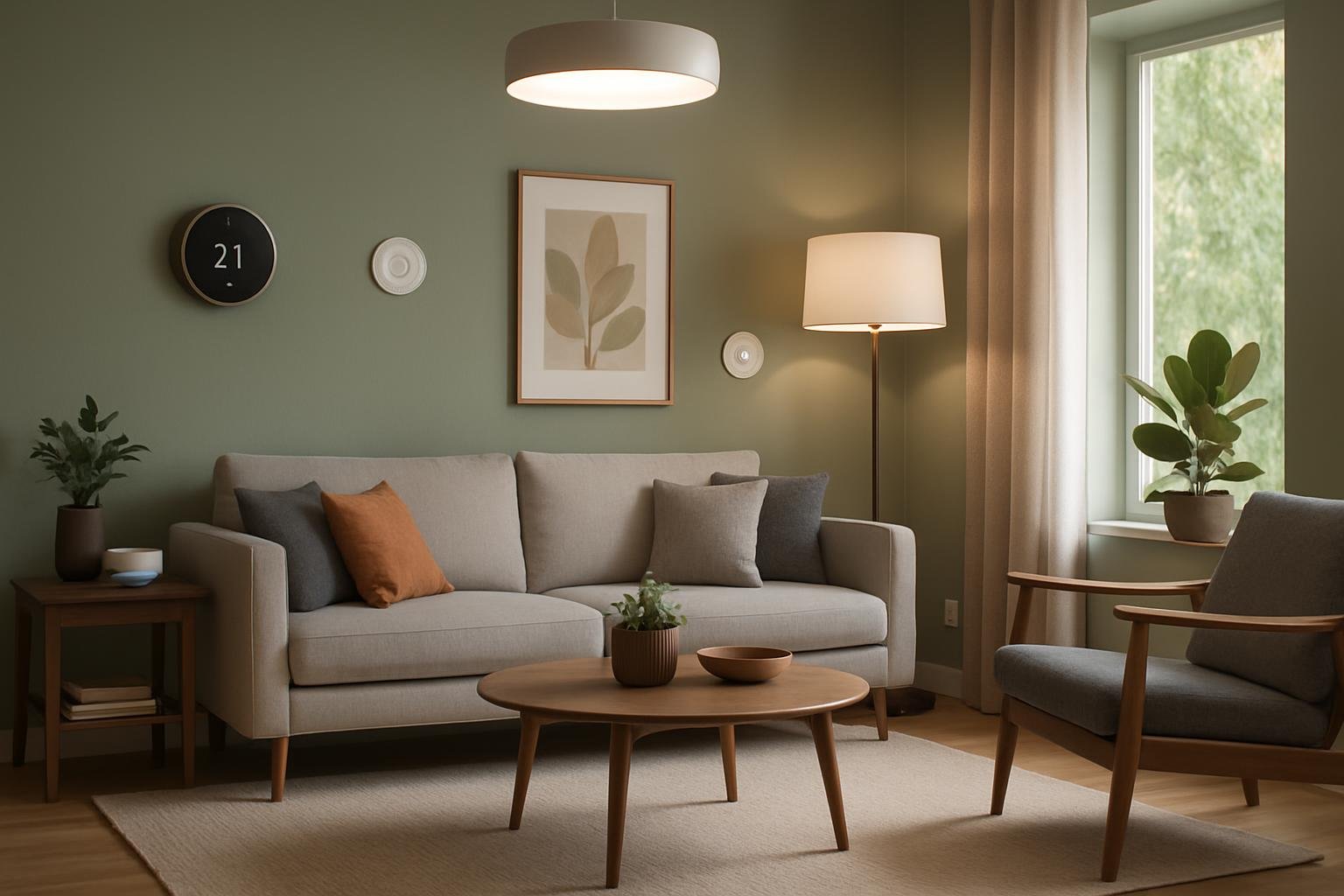
Recent innovations include voice-controlled devices, automated lighting systems, and smart appliances. These technologies make it easy for homeowners to manage their environments. For instance, smart thermostats learn user preferences and adjust temperatures automatically, boosting energy efficiency.
Integrating Smart Technology into Design Aesthetics
Designers face the challenge of integrating these technologies into the overall aesthetic. Smart solutions should enhance, not detract from, the design. Increasingly, designers are focusing on hidden technology that maintains clean lines and a tidy appearance.
In 2023, the use of smart home technology in interior design rose by 25% (source: Statista). This trend is likely to grow as more homeowners seek tech-savvy solutions that improve their daily lives.
Embracing Sustainable Interior Design Practices
Sustainable interior design emphasizes the use of eco-friendly materials and practices to reduce environmental impact. With increasing awareness of climate change, homeowners are prioritizing sustainability in their design choices. This trend is expected to grow in 2026.
What Materials Are Considered Eco-friendly?
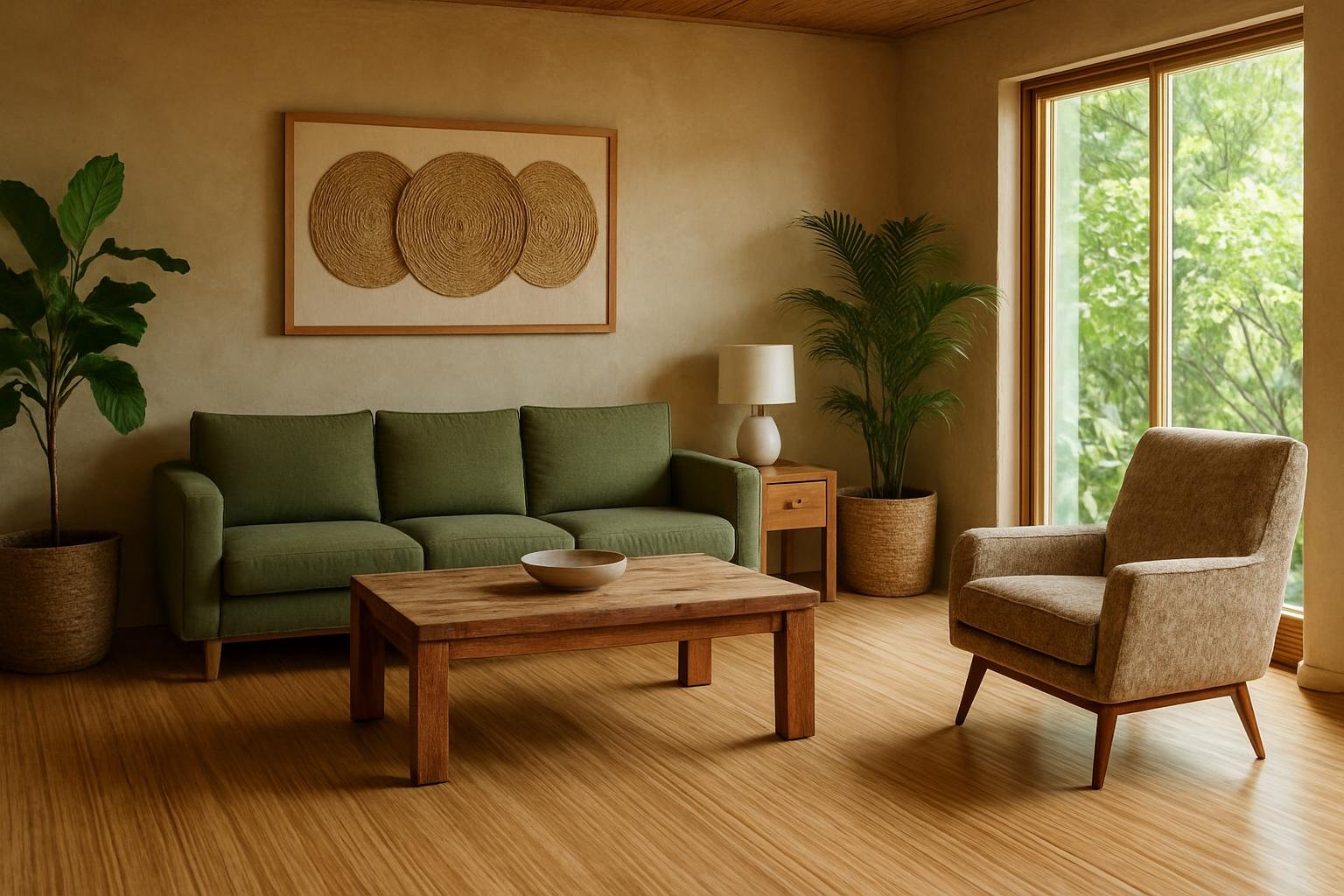
Eco-friendly materials include bamboo, reclaimed wood, recycled metal, and low-VOC paints. These materials help reduce environmental impact while enhancing the beauty of spaces. For instance, bamboo is a rapidly renewable resource suitable for flooring and furniture, while reclaimed wood adds character and history to interiors.
The Role of Sustainability in Modern Design
Sustainability is influencing design trends, leading to more innovative approaches to sourcing materials and reducing waste. A study by the American Society of Interior Designers found that 50% of homeowners prioritize eco-friendly materials. This preference increases demand for designs that show a commitment to environmental responsibility.
Experts suggest that future sustainable practices will incorporate advanced technology, such as energy-efficient systems and renewable materials. This approach provides aesthetic and functional benefits, making spaces more appealing and sustainable.
Minimalist vs. Maximalist: Which Style Will Prevail in 2026?
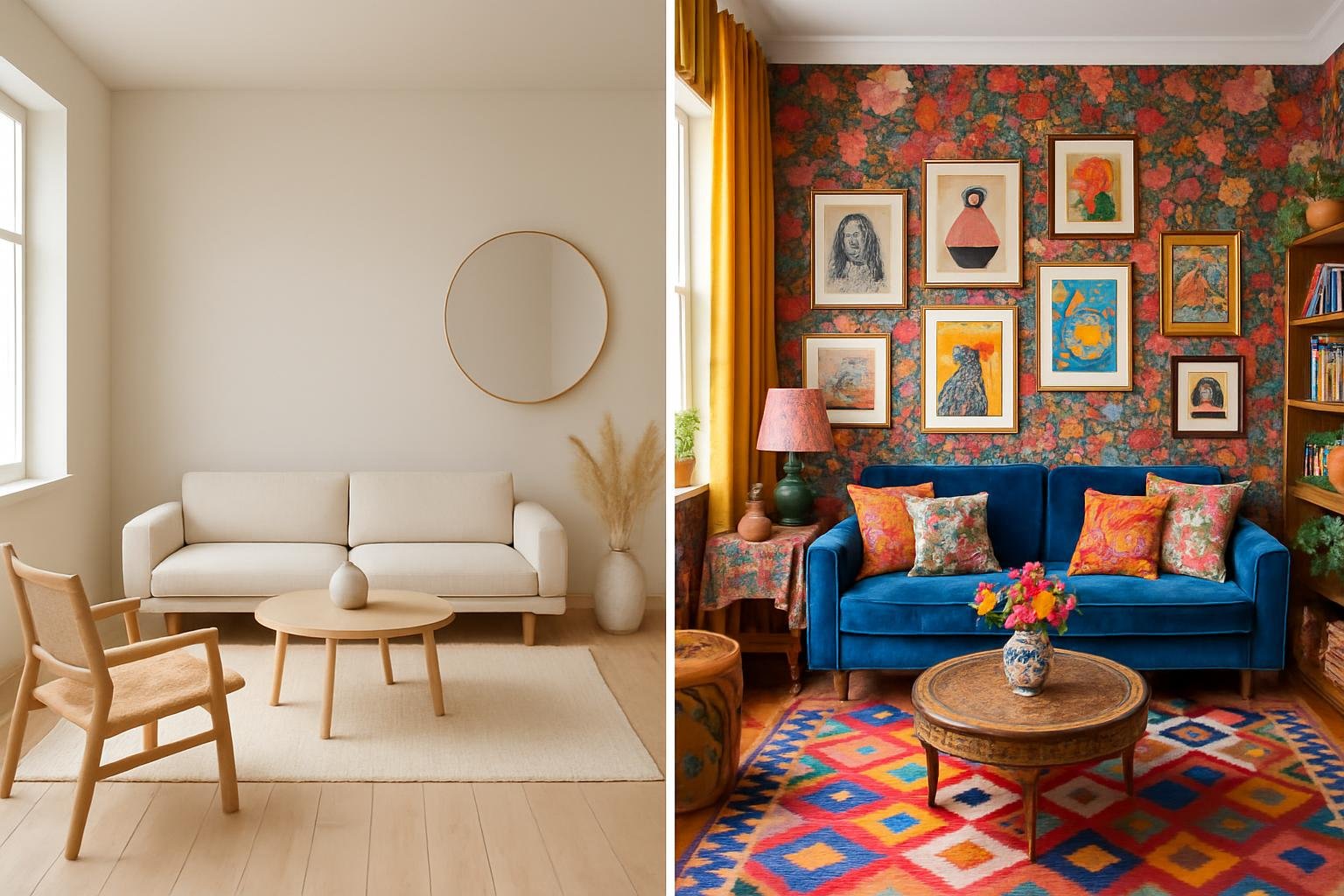
Minimalism and maximalism represent two contrasting design philosophies. Minimalism emphasizes simplicity, while maximalism embraces bold colors and patterns. As we approach 2026, both styles will continue to evolve, appealing to different segments of homeowners.
How Do Minimalist and Maximalist Designs Differ?
Minimalist design focuses on clean lines, neutral colors, and functional furniture. It aims to create calm environments that minimize clutter and distractions. Conversely, maximalism celebrates abundance, mixing textures, colors, and decor elements to create visual interest.
Current trends show growing interest in both styles. Minimalism attracts those seeking tranquility, while maximalism appeals to those who enjoy expressive and personalized spaces.
Future Predictions for Minimalism and Maximalism
Predictions indicate that minimalism will remain popular in urban areas where space is limited. In contrast, maximalism is likely to thrive in suburban settings where homeowners have more room to express their style. Ultimately, homeowners will choose styles based on personal preferences, lifestyle needs, and available space.
Innovative Small Space Solutions for Urban Living
As urban living becomes increasingly common, innovative small space solutions are essential. Designers are focusing on maximizing functionality while maintaining style. This trend will be crucial as more people adapt to smaller living environments.
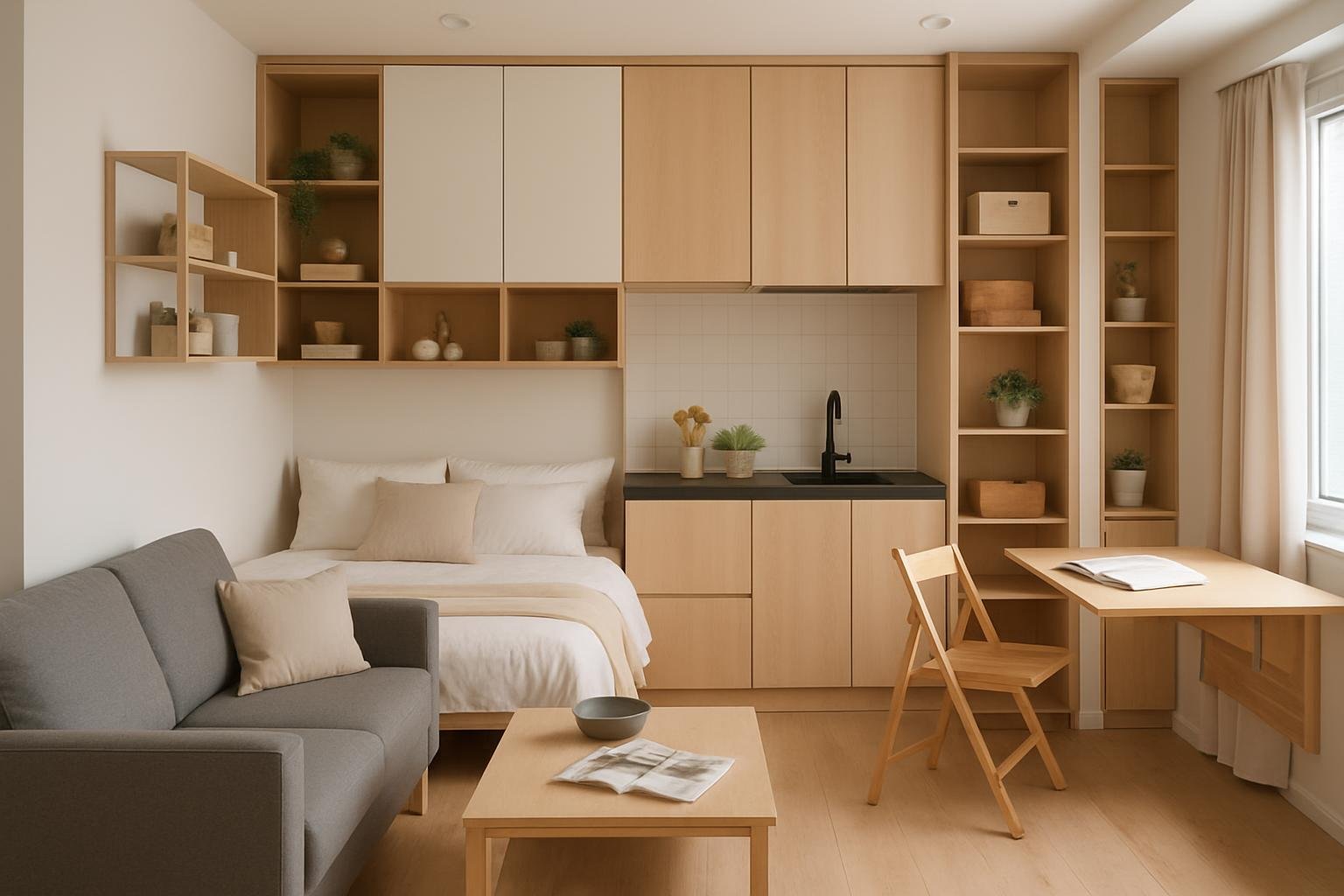
What Are the Best Design Techniques for Small Spaces?
Effective small space design techniques include using multifunctional furniture, clever storage solutions, and light color palettes. For example, a sofa bed can serve as both seating and sleeping space. Vertical storage options, like shelves and wall-mounted cabinets, help make the most of every inch.
Maximizing Functionality without Compromising Style
Statistics show that urban living trends are rising, with many people residing in smaller apartments. In 2026, predictions for small space designs will involve increasingly creative solutions. Designers will focus on creating open, airy environments that maximize light and reduce clutter.
Experts emphasize that the future of urban interior design will feature smart storage options and adaptable furniture. These innovations will cater to modern city dwellers seeking stylish yet practical living spaces.
Luxury Interiors: The Evolution of High-End Design
Luxury interiors have changed over the years, reflecting evolving tastes and lifestyles. In 2026, luxury design will continue to focus on personalization and unique aesthetics. Homeowners are increasingly seeking high-end designs that resonate with their individual identities.
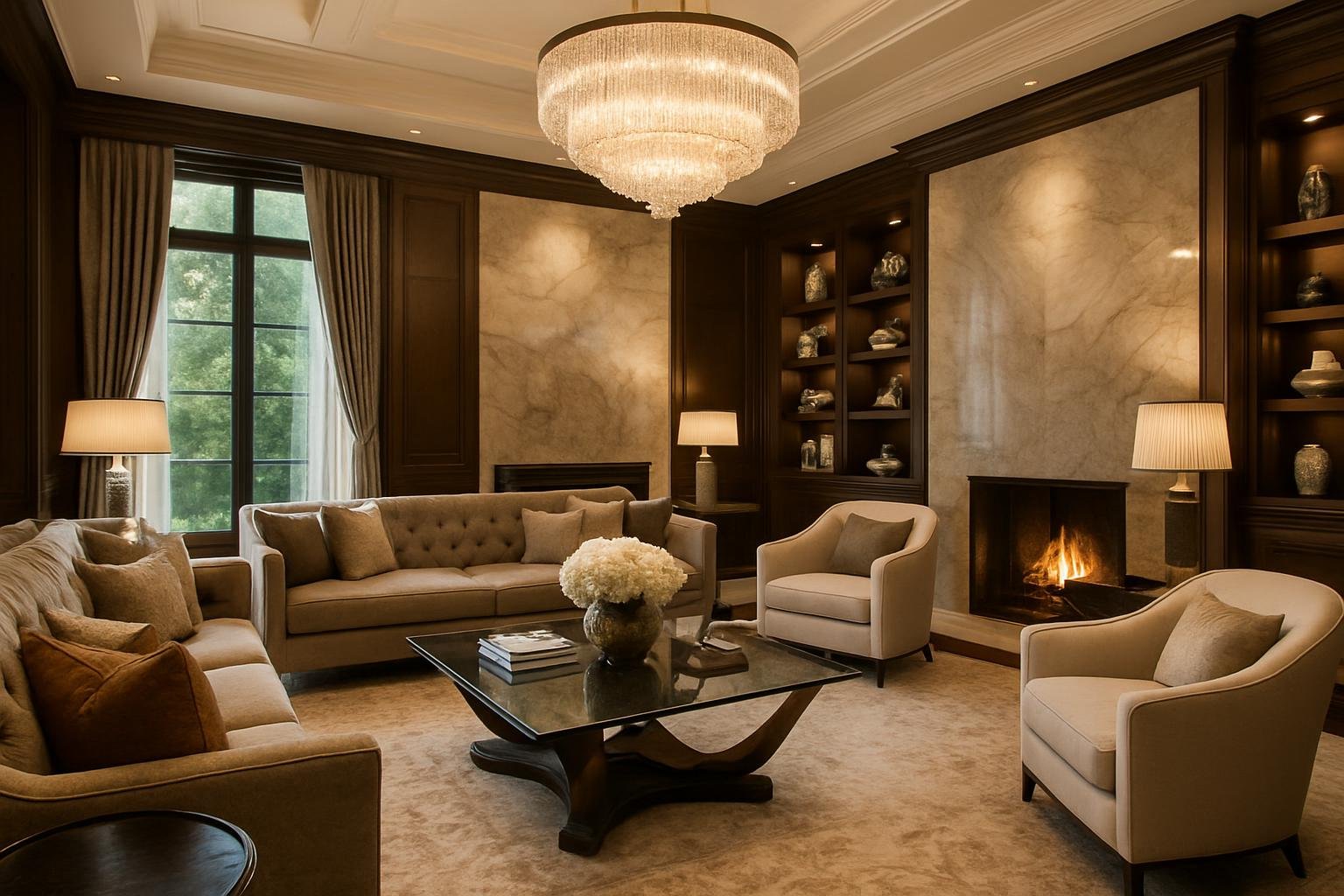
What Defines Luxury in Interior Design Today?
Modern luxury interiors are marked by quality materials, craftsmanship, and custom designs. High-end finishes, such as marble countertops and bespoke furniture, are essential elements. Luxury design now also emphasizes comfort and functionality, blending opulence with practicality.
Trends in Luxury Design for 2026
In 2026, we can expect a trend toward unique and personalized luxury designs. Homeowners will seek experiences that reflect their lifestyles, including handcrafted pieces and eco-conscious materials, as sustainability becomes a key aspect of luxury living.
Interviews with luxury design experts indicate that the future of high-end design will showcase individuality and personal expression. Homeowners will aim for spaces that are not only beautiful but also tell their unique stories.
Affordable Decor Ideas That Make a Big Impact
Homeowners continually seek ways to refresh their spaces without overspending. Affordable decor ideas can significantly enhance aesthetics, making home design more accessible. In 2026, these budget-friendly trends will continue to gain popularity.
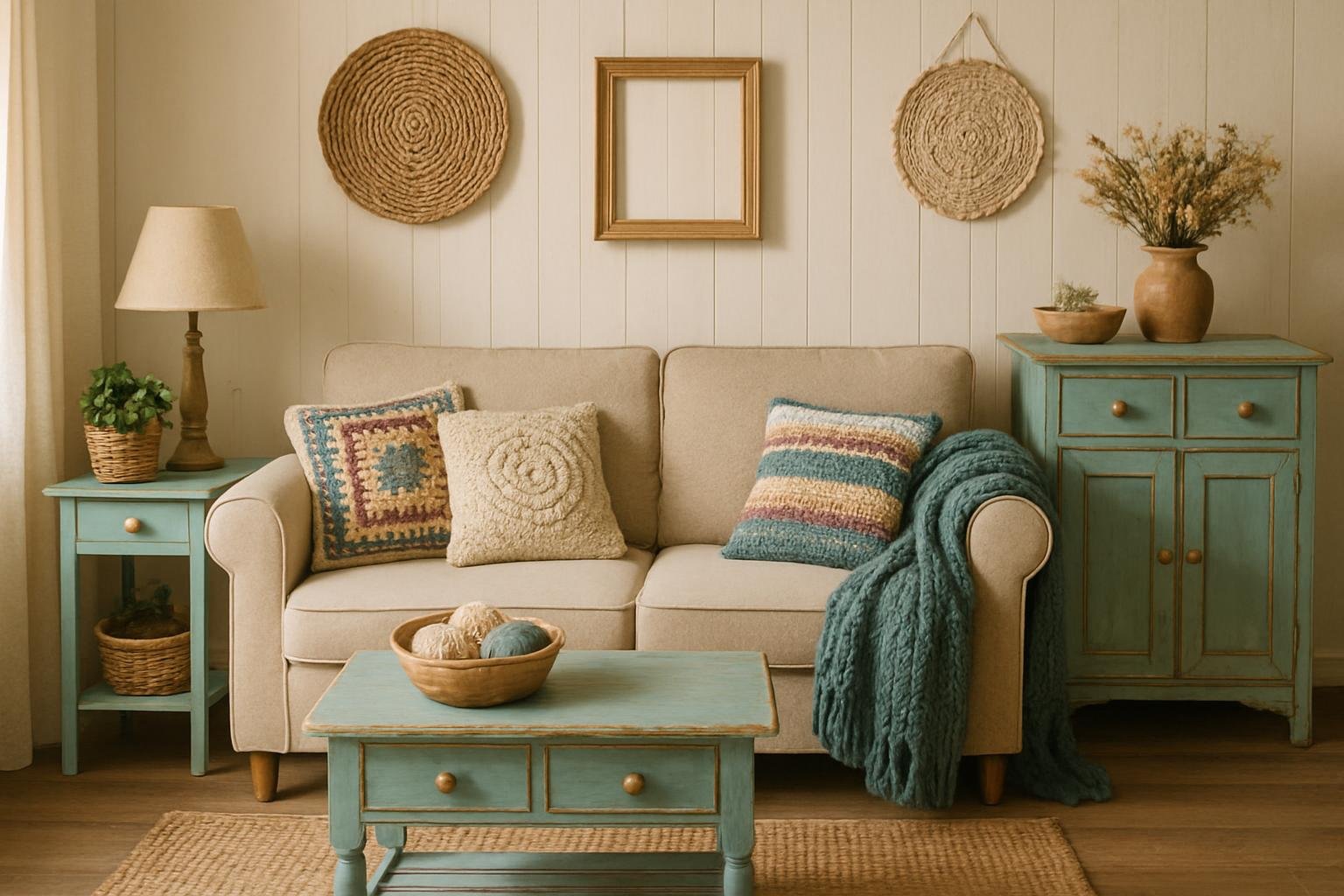
What Are Cost-effective Ways to Revamp Your Space?
Cost-effective ways to refresh spaces include DIY projects, upcycling old furniture, and adding fresh paint. These changes can revitalize a home without requiring a substantial investment. For instance, painting an accent wall can dramatically transform a room’s atmosphere.
DIY Trends in Interior Design
Statistics indicate a rise in DIY home improvement projects, with many homeowners opting for hands-on approaches. In 2026, we can expect DIY trends to emphasize creativity and sustainability. Homeowners will increasingly look for materials that are both affordable and eco-friendly.
Experts suggest that achieving high style on a budget involves creativity and resourcefulness. Simple projects, like creating wall art or repurposing furniture, can significantly impact overall aesthetics.
Creating Multi-functional Spaces for Modern Living
Multi-functional spaces are becoming essential in modern living, especially as remote work becomes more common. Designing areas that serve multiple purposes allows homeowners to maximize their living spaces effectively.
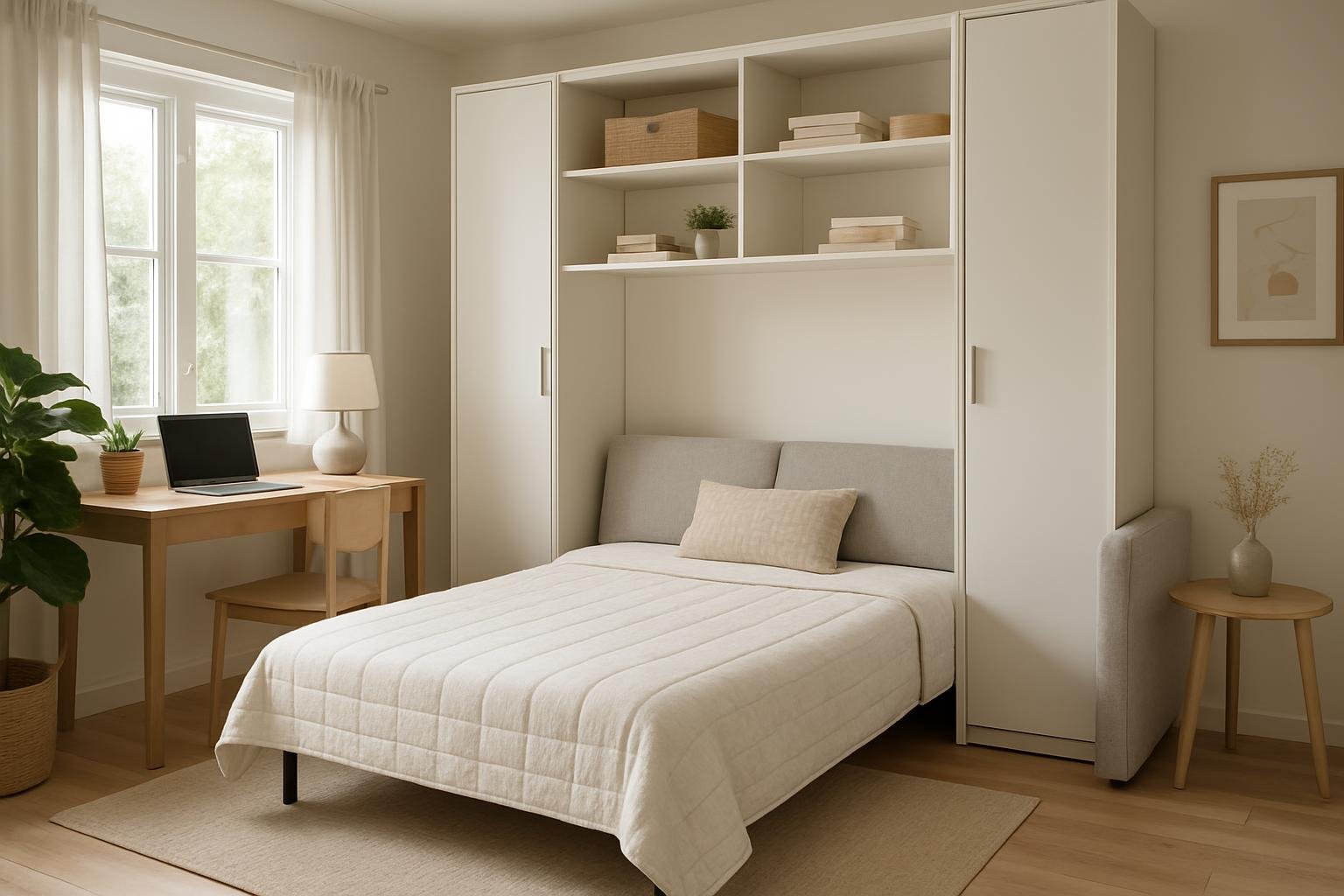
How Can You Design Spaces that Serve Multiple Purposes?
To create multi-functional spaces, consider using versatile furniture, such as a fold-out desk or convertible sofa. Room dividers can help establish distinct areas without permanently altering the layout. These elements allow for flexibility and adaptability in design.
Trends in Multi-functional Furniture and Design
As remote work continues, predictions for future multi-functional design trends will include innovative solutions catering to various needs. Designers will focus on creating spaces that can easily transition from work to leisure.
Experts stress the importance of functionality in modern design. Effective multi-functional spaces enhance the overall living experience, making homes more enjoyable and livable.
The Future of Interior Design: Trends to Watch Beyond 2026
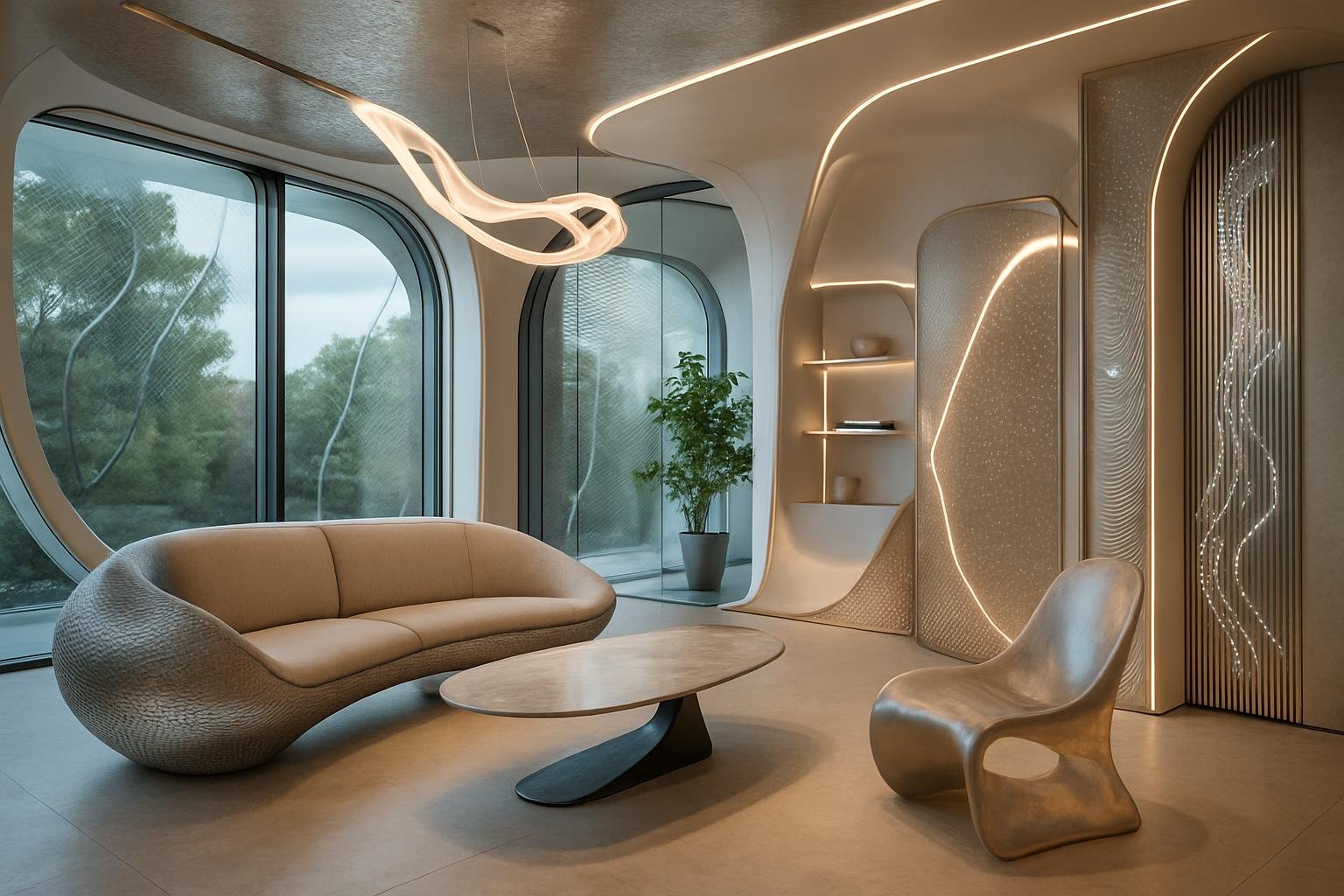
Looking beyond 2026, several emerging trends will shape the future of interior design. Homeowners and designers must stay informed about these developments to remain competitive and relevant.
What Trends Will Shape the Future of Interior Design?
Emerging trends include advancements in technology, sustainable practices, and a focus on wellness. As technology evolves, design will integrate more smart solutions to enhance user experience. Sustainability will remain a priority, driving the use of eco-friendly materials and practices.
How to Stay Ahead of Design Trends
To stay ahead of design trends, continuous learning and adaptation are crucial. Homeowners should be open to experimenting with new ideas and incorporating innovative solutions into their homes. Engaging with design communities and following industry leaders can also provide valuable insights.
Experts emphasize that the future of interior design will require a balance between aesthetics and functionality. This approach ensures homes remain beautiful while meeting the evolving needs of occupants.
FAQ
Q: What are the top interior design trends for 2026?
A: The top interior design trends for 2026 include biophilic design, smart home technology, sustainable materials, and innovative small space solutions. These trends reflect a shift towards enhancing well-being and functionality in home design.
Q: How do I incorporate smart technology into my home design?
A: To incorporate smart technology, consider adding automated lighting, smart thermostats, and voice-controlled devices to your design. Ensure these elements complement your overall aesthetic while enhancing functionality.
Q: What is biophilic design?
A: Biophilic design connects indoor spaces with nature, using natural elements, light, and greenery to promote well-being and relaxation. It’s expected to be a dominant theme in interior design by 2026.
Q: What are eco-friendly materials for interior design?
A: Eco-friendly materials include bamboo, reclaimed wood, recycled metal, and low-VOC paints. These materials minimize environmental impact while enhancing aesthetic appeal.
Q: How can I make a small space feel larger?
A: To make a small space feel larger, use light colors, mirrors, and multifunctional furniture. Smart design choices can create the illusion of more space while maximizing functionality.
Q: What is the difference between minimalist and maximalist design?
A: Minimalist design emphasizes simplicity and functionality, utilizing fewer elements and a neutral palette, while maximalist design embraces bold colors, patterns, and an abundance of decor. Both styles will continue to shape design in 2026.
Q: What affordable decor ideas can refresh my home?
A: Affordable decor ideas include DIY projects, upcycling furniture, adding fresh paint, and using inexpensive accessories like throw pillows and artwork. These changes can make a significant impact without a large financial commitment.
Q: How can I create a multi-functional space?
A: To create a multi-functional space, choose versatile furniture, use room dividers, and design areas that can serve multiple purposes, such as a home office that doubles as a guest room.
Key Takeaways
- Biophilic design, smart home technology, and sustainability are key trends for 2026.
- Homeowners are prioritizing eco-friendly materials and innovative solutions.
- Both minimalist and maximalist styles will continue to attract attention.
- Multi-functional spaces are vital for modern living and remote work.
- Staying ahead of design trends requires ongoing learning and adaptation.