Introduction
Choosing the right curtain hooks shapes how curtains hang, move, and age. This article lists the 10 Types of Best Curtain Hooks in 2026 and explains when each type works best. I wrote this from years of hands-on experience and trade observations. Expect clear photos, comparison tables, installation tips, and a practical buying checklist.
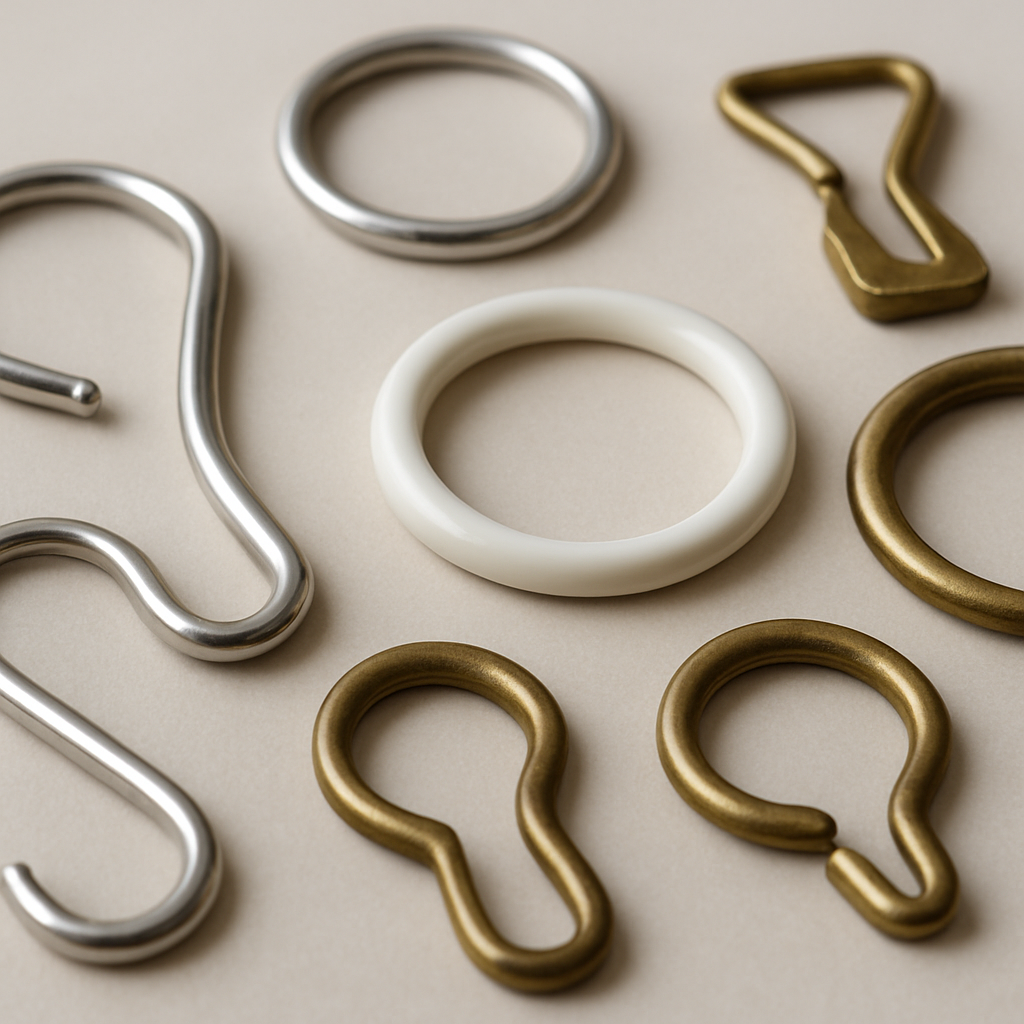
Why the right hook matters
A fit that matches your curtain heading and rod avoids sag, prevents fabric wear, and makes opening and closing smooth. A common mistake is matching a curtain to a rod but not to the hook type. That causes poor drape and extra strain at the top of the fabric.
Quick overview of the 10 types
- Curtain rings with clips
- Eyelet rings and grommet hooks
- Pinch pleat hooks
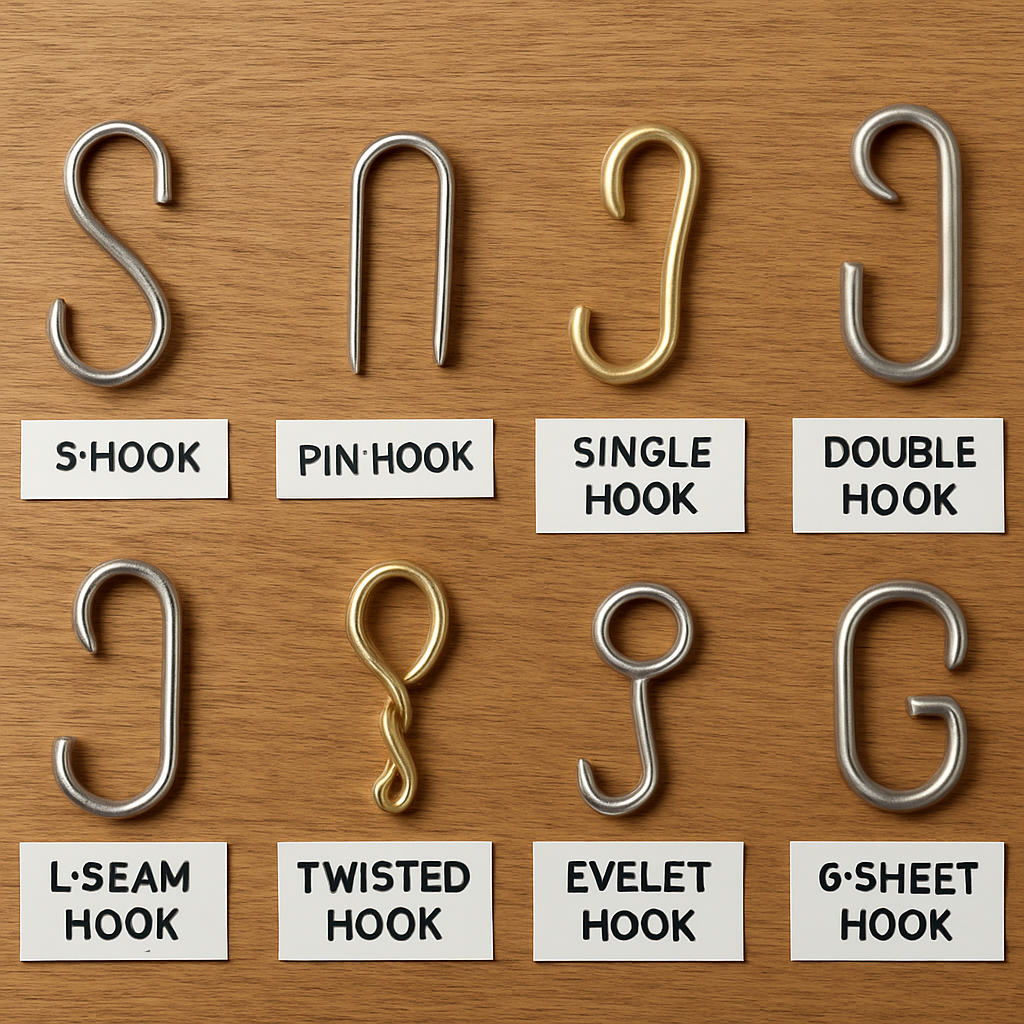
- S-hooks
- Traverse rod hooks and carriers
- Back-tab hooks
- Ripple fold hooks
- Magnetic curtain hooks
- Snap-on curtain clips
- Slide-on metal hooks
Each type has trade-offs. Below I explain how they differ and where they fit best.
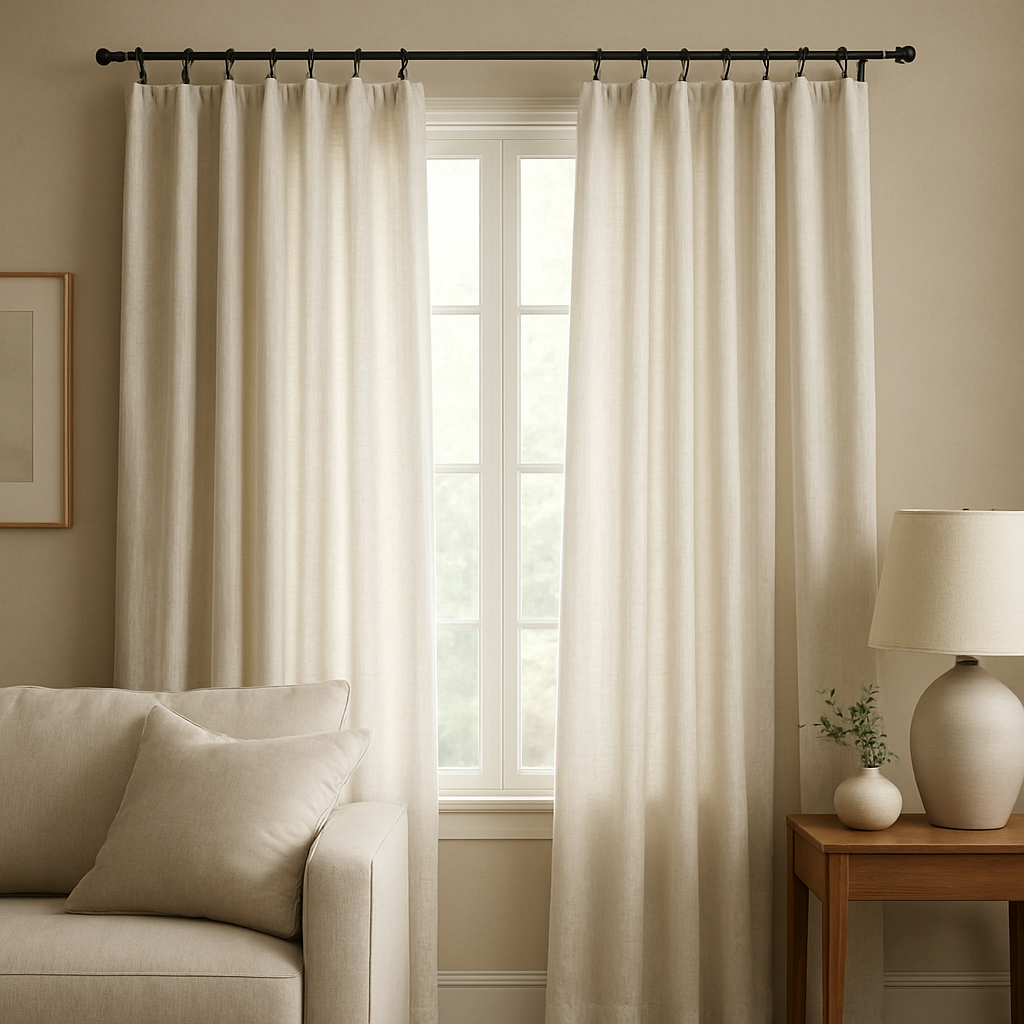
Top 10 Types of Best Curtain Hooks in 2026
1. Curtain Rings with Clips
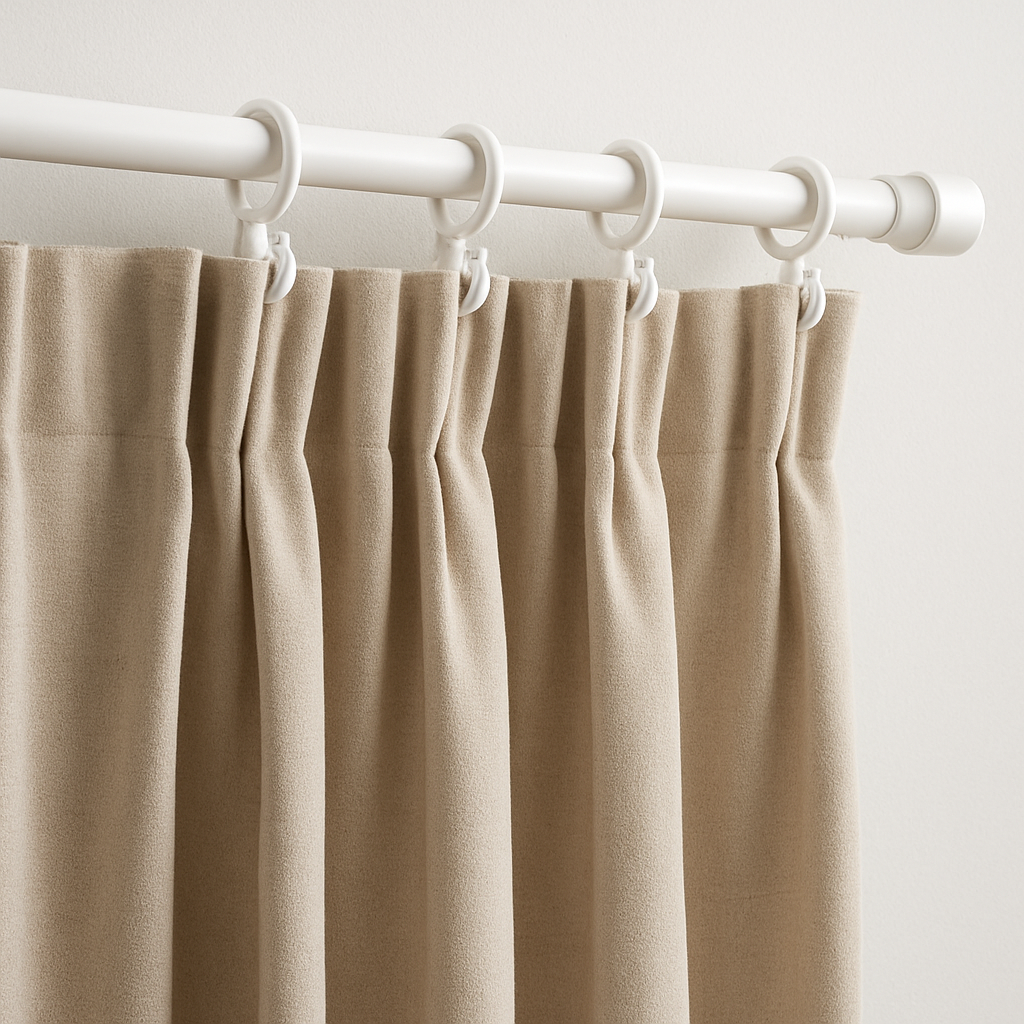
What they are: Metal or plastic rings that slide on the rod. A clip hangs from each ring and clamps the curtain.
Why choose them: Fast to install. They work with curtains that lack specific headings. Good for lighter fabrics and casual styles.
Best uses: Cafes, casual living rooms, rental windows.
Materials and finish: Brass, nickel, powder-coated steel, plastic.
Drawbacks: Clips can leave marks on delicate fabrics. Heavy drapes need reinforced clips or rings.
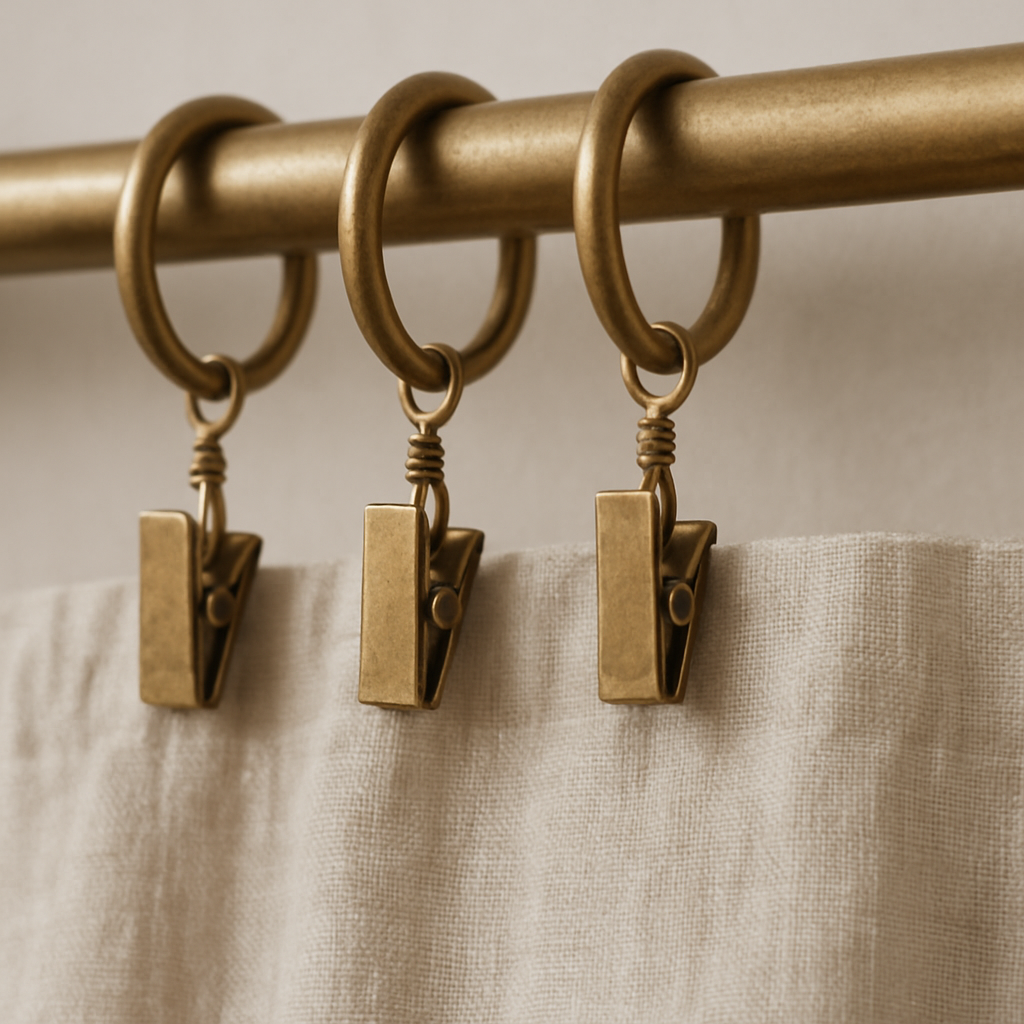
2. Eyelet Rings and Grommet Hooks
What they are: Curtains have metal eyelets or grommets along the top. The rod passes through these holes.
Why choose them: Clean, modern look. Smooth movement along the rod. Minimal hardware visible.
Best uses: Contemporary rooms, minimal designs, large windows.
Materials and finish: Stainless steel, brass, plastic grommets.
Drawbacks: Eyelets require a wide rod and a curtain header prepared for grommet details.
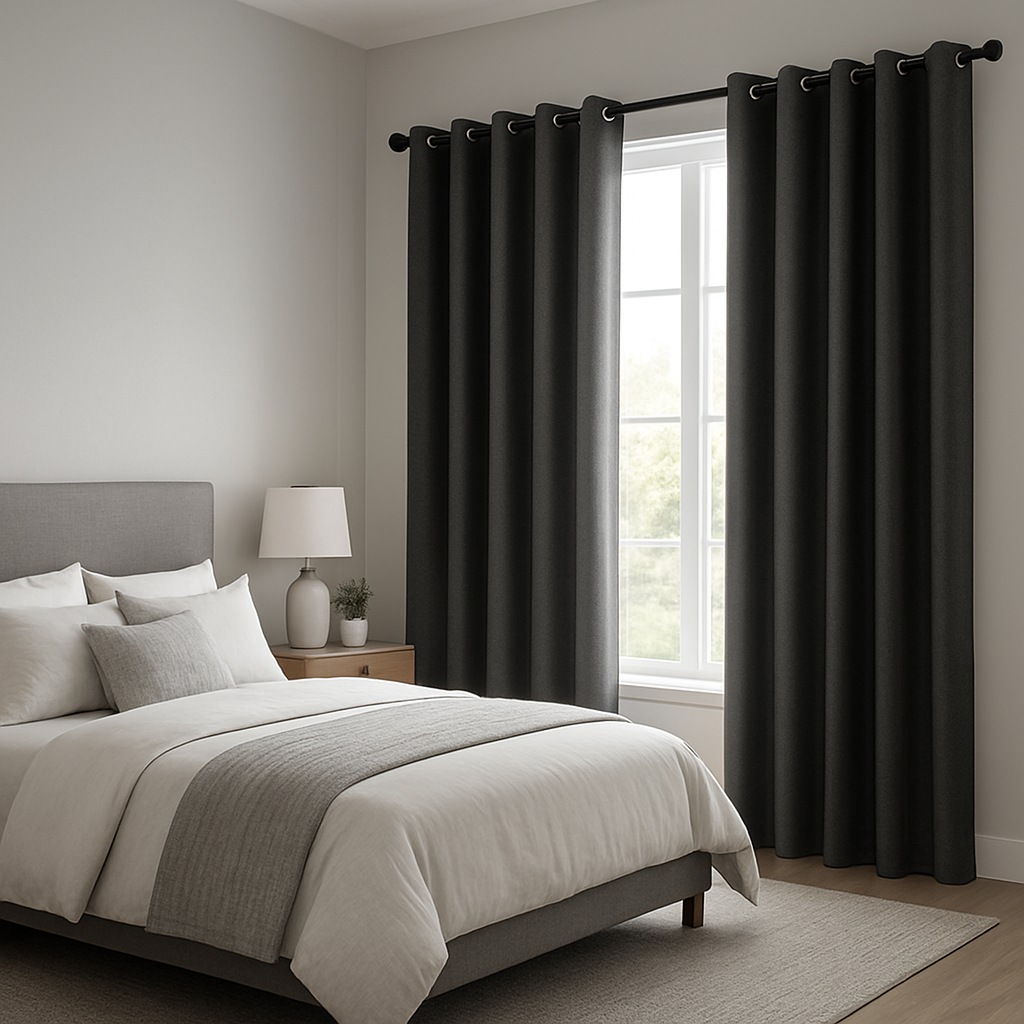
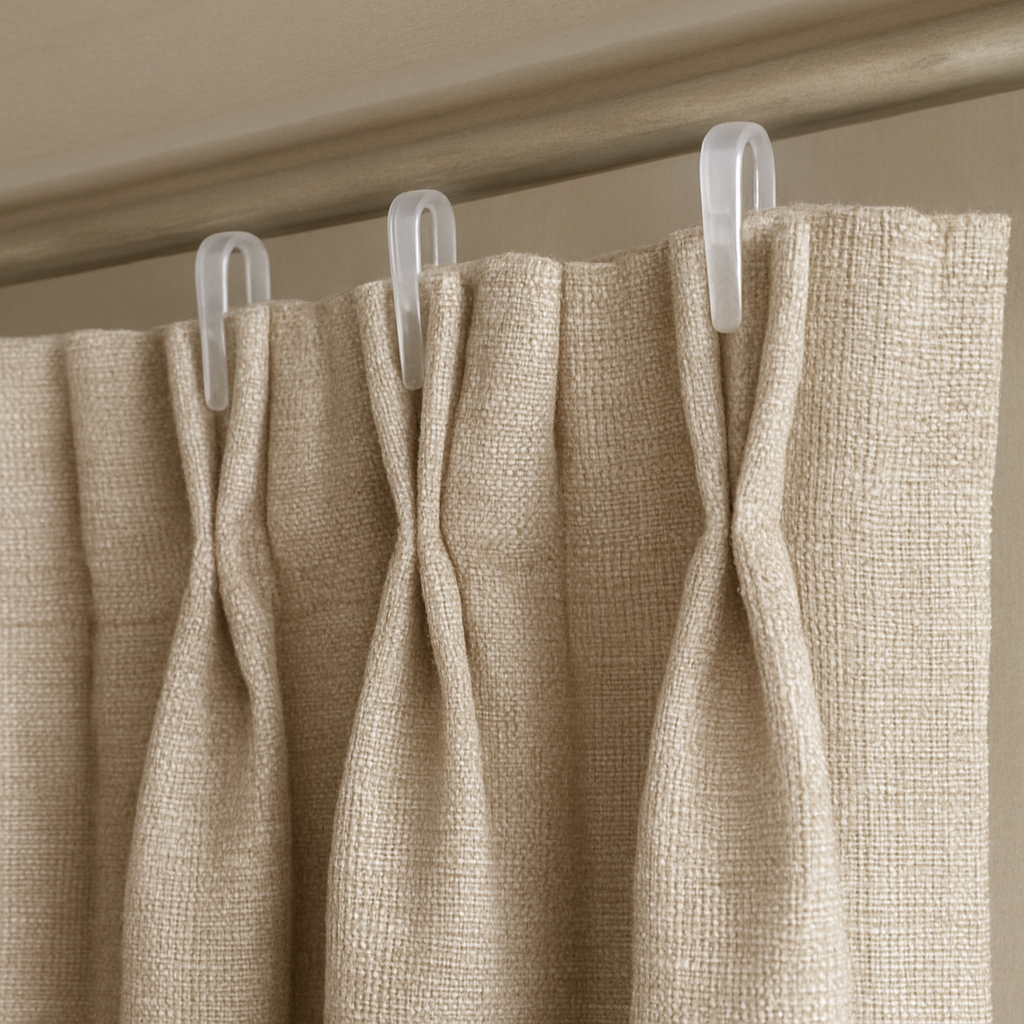
3. Pinch Pleat Hooks
What they are: Small hooks that attach to pocketed pleats sewn into the top of the curtain. Hooks then hang on rings or pins on the rod.
Why choose them: Formal, traditional look. Excellent for thick, lined drapes. Creates structured folds.
Best uses: Dining rooms, living rooms, theaters.
Materials and finish: Steel hooks; often paired with decorative rings and finials.
Drawbacks: Needs precise pleat spacing. Installation takes more time.
4. S-Hooks
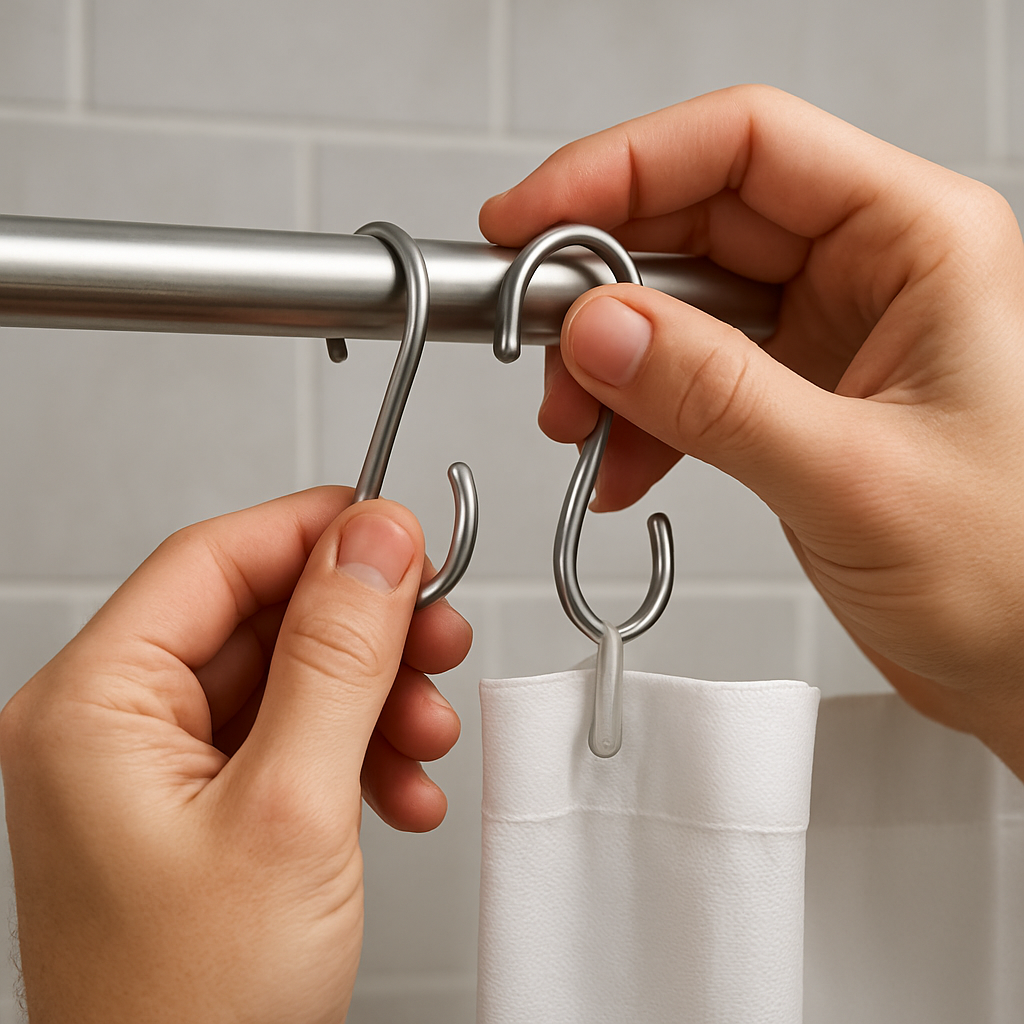
What they are: Simple S-shaped hooks that loop over a rod or ring and through curtain headings.
Why choose them: Quick, inexpensive, flexible. They fit many curtain types.
Best uses: Utility rooms, drop curtains, temporary setups.
Materials and finish: Stainless steel, brass, painted steel.
Drawbacks: Can catch on fabric edges. Not as decorative.
5. Traverse Rod Hooks and Carriers
What they are: Small carriers that move inside a track in traverse rods. The curtain attaches to each carrier with a hook or clip.
Why choose them: Best for wide windows where you want one-handed operation or motorized systems.
Best uses: Large living rooms, conference rooms, automated systems.
Materials and finish: Nylon carriers, metal hooks.
Drawbacks: Rod system cost is higher. Carriers may wear over time and need replacing.
6. Back-Tab Hooks
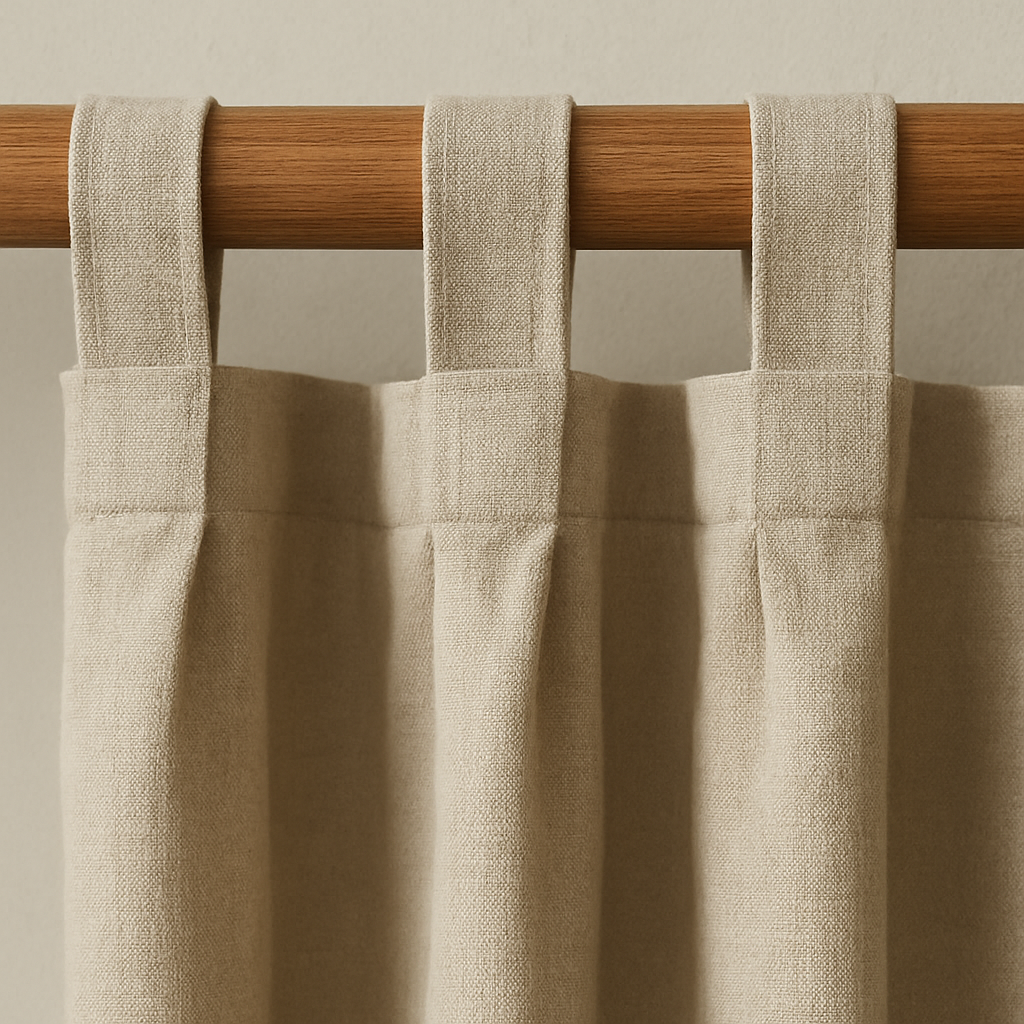
What they are: Curtains have fabric tabs sewn across the header at the back. The rod slips through the tabs so the front remains smooth.
Why choose them: Clean look where hardware is hidden. Good for lightweight and mid-weight fabrics.
Best uses: Bedrooms, living rooms with a minimalist feel.
Materials and finish: Fabric tabs match curtain; no visible metal.
Drawbacks: Tabs reduce full curtain width available for gathering.
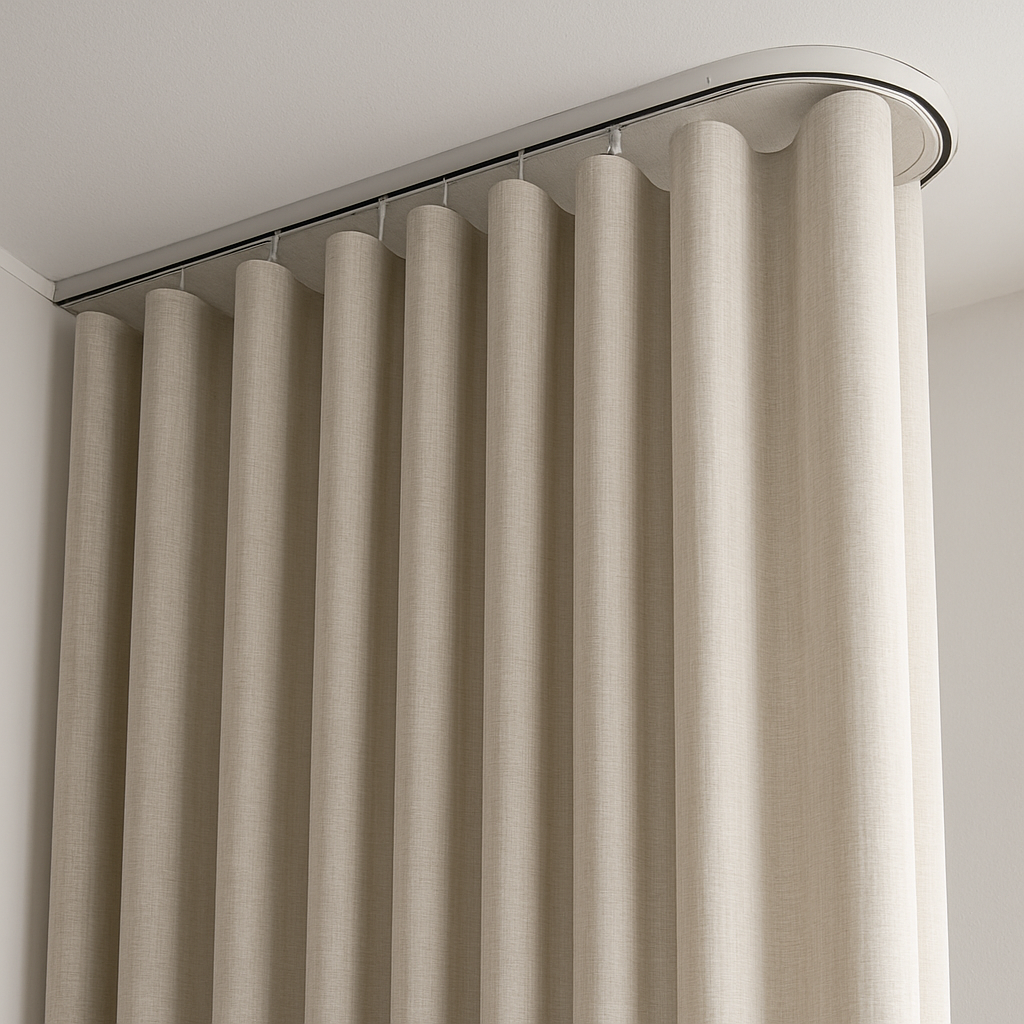
7. Ripple Fold Hooks
What they are: Hooks connect to carriers placed in a track. Hooks make a regular wave pattern, giving uniform folds.
Why choose them: Consistent, modern folds. Works well with both heavy and light fabrics.
Best uses: Panels that must stack neatly at the sides, sliding doors, hotels.
Materials and finish: Plastic carriers, metal or plastic hooks.
Drawbacks: Requires a compatible track system.
8. Magnetic Curtain Hooks
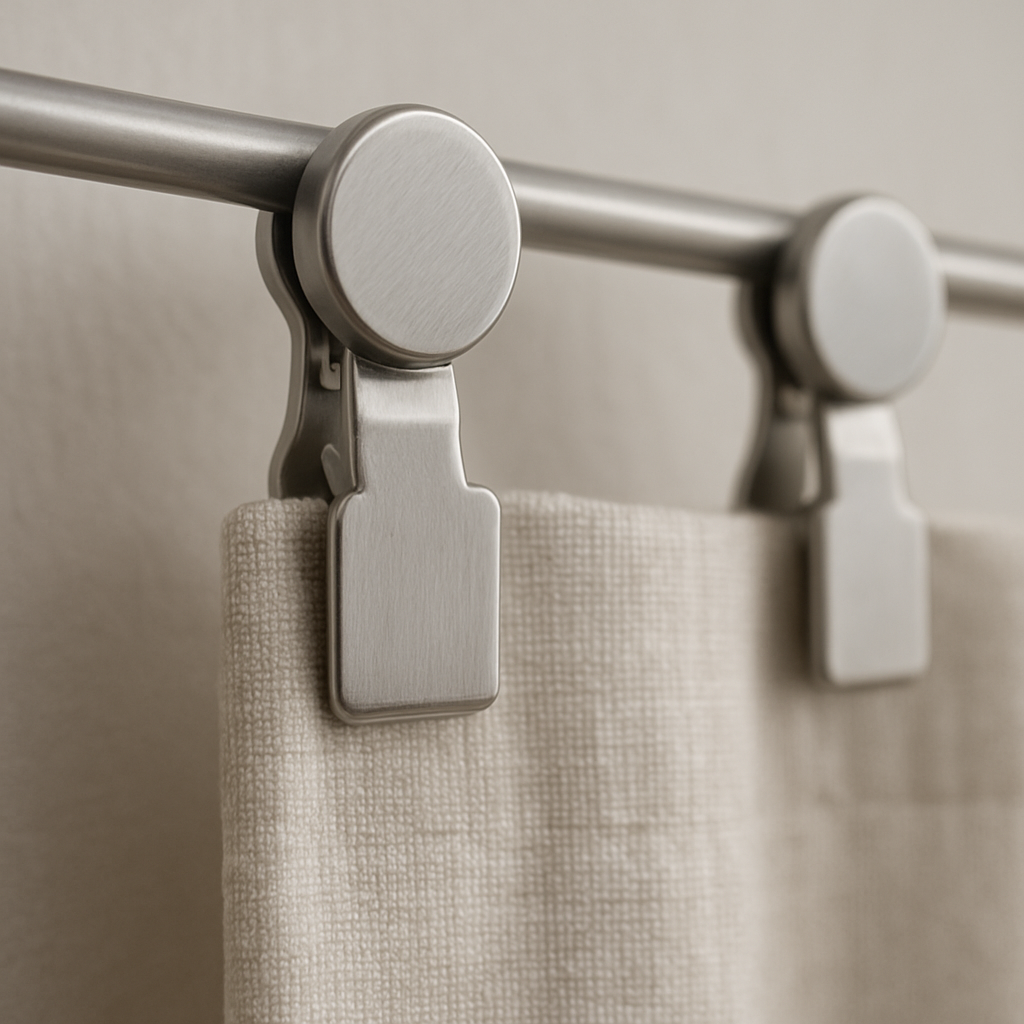
What they are: Magnets clamp the curtain fabric and attach to a magnetic strip or metal rod.
Why choose them: No holes or sewn tabs needed. Good for temporary or rental situations.
Best uses: Lightweight curtains on metal doors or thin metal rods.
Materials and finish: Neodymium magnets with protective coatings.
Drawbacks: Not for heavy drapes. Magnets may slip on fabric with low friction.
9. Snap-On Curtain Clips
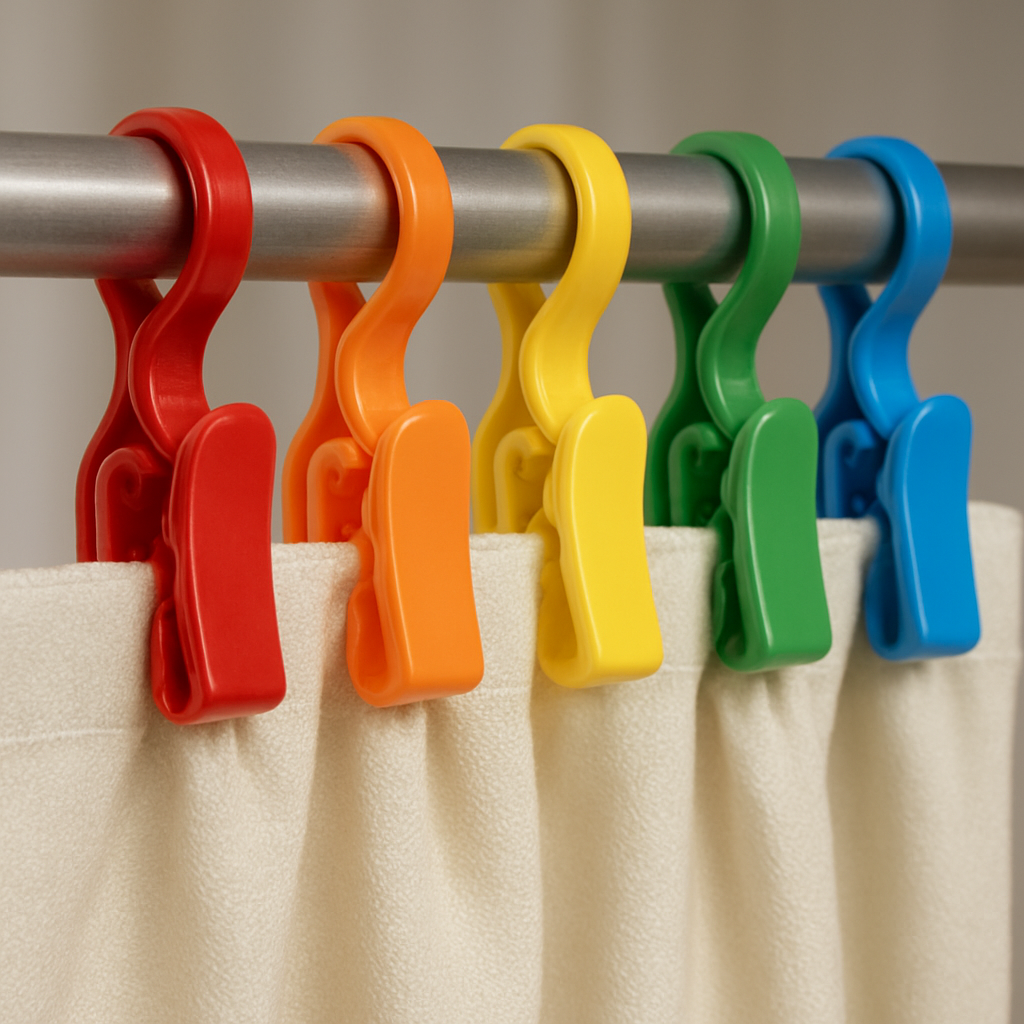
What they are: Clips that snap around the curtain header or hem and slip onto a rod or ring.
Why choose them: Fast, tool-free. Good when you want to change curtains often.
Best uses: Seasonal fabrics, window displays, classrooms.
Materials and finish: Plastic or metal with spring mechanisms.
Drawbacks: Clips can fail on heavy fabrics. Springs wear faster with frequent use.
10. Slide-On Metal Hooks
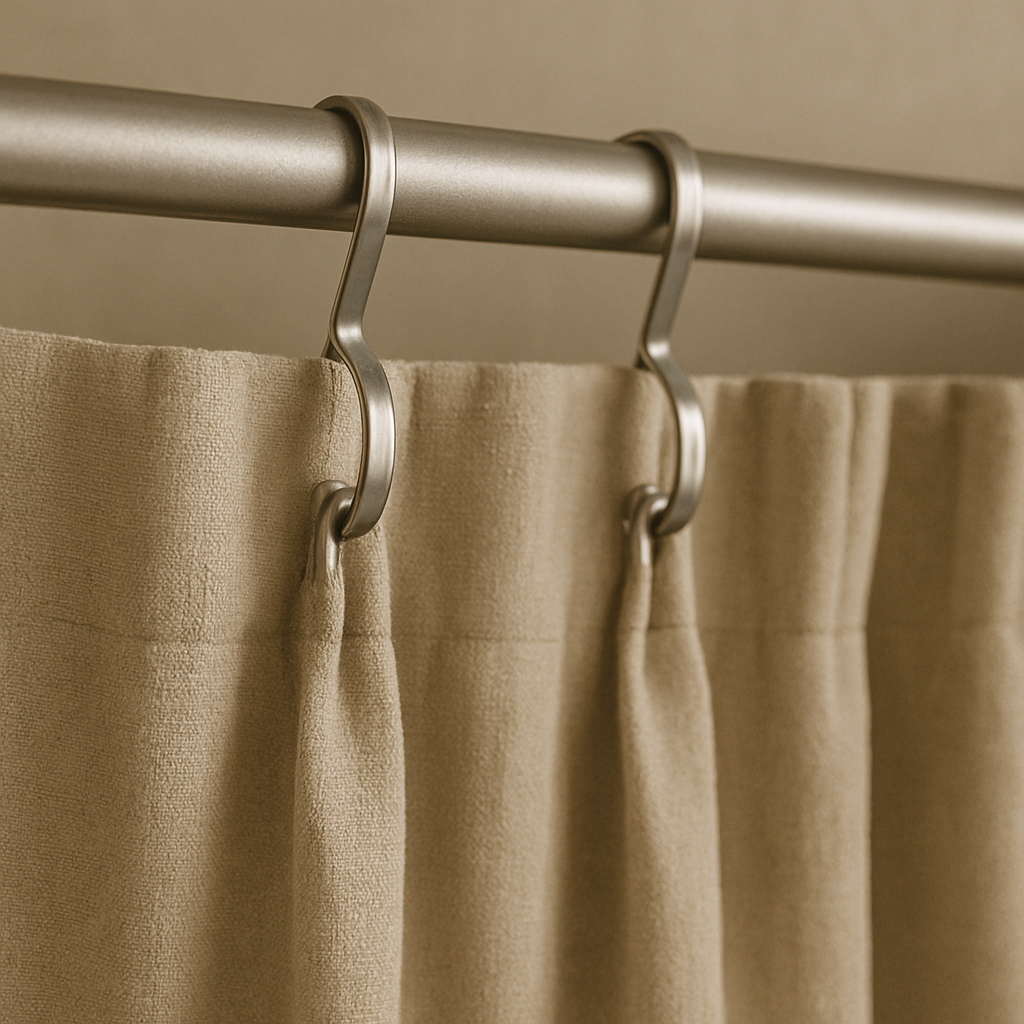
What they are: Thin hooks that slide into sewn pockets on the curtain header and slide onto the rod or rings. They are low profile and strong.
Why choose them: Durable and discreet. Good for heavy, lined drapes and long-term use.
Best uses: Theaters, historic homes, formal draperies.
Materials and finish: Stainless steel, plated metals.
Drawbacks: Installation needs care to place hooks evenly.
Comparison Table: Quick Specs
| Hook Type | Best For | Ease of Install (1-5) | Smooth Movement (1-5) | Typical Materials | Cost Range |
|---|---|---|---|---|---|
| Rings with clips | Casual curtains | 5 | 4 | Brass, steel, plastic | $5 – $25 per set |
| Eyelets / grommets | Modern curtains | 4 | 5 | Brass, nickel, plastic | $8 – $40 per panel |
| Pinch pleat hooks | Formal drapes | 3 | 4 | Steel | $6 – $30 per set |
| S-hooks | Temporary | 5 | 3 | Steel | $3 – $12 per pack |
| Traverse carriers | Wide spans | 2 | 5 | Nylon, metal | $20 – $150 (system) |
| Back-tab | Minimalist look | 4 | 4 | Fabric | $6 – $25 per panel |
| Ripple fold | Even waves | 2 | 5 | Plastic, metal | $25 – $200 (system) |
| Magnetic hooks | Rentals | 5 | 2 | Magnets, metal | $4 – $30 per pack |
| Snap-on clips | Quick change | 5 | 3 | Plastic, metal | $5 – $20 per pack |
| Slide-on metal hooks | Heavy drapes | 3 | 5 | Stainless steel | $10 – $50 per set |
Materials, Finishes, and Durability
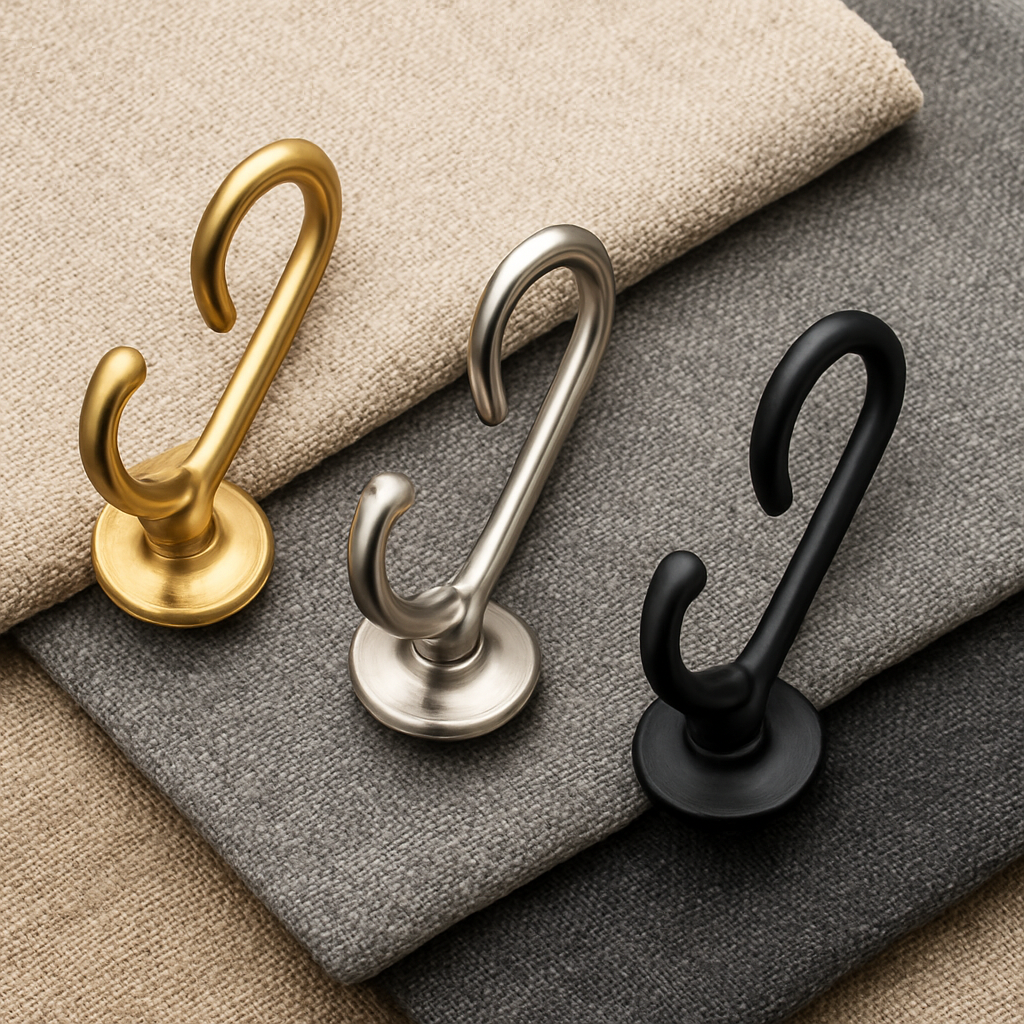
Match hook material to curtain weight and environment. Use stainless steel or brass near humidity to prevent corrosion. Powder-coated steel is affordable and resists light wear.
Short guide:
- Brass: decorative, resists corrosion, classic tone.
- Stainless steel: strong, rust-resistant, modern look.
- Plastic: lightweight, inexpensive, can crack with heavy use.
- Nickel and chrome plating: sharp finish but can wear if cheap.
Installation Tips and Common Mistakes
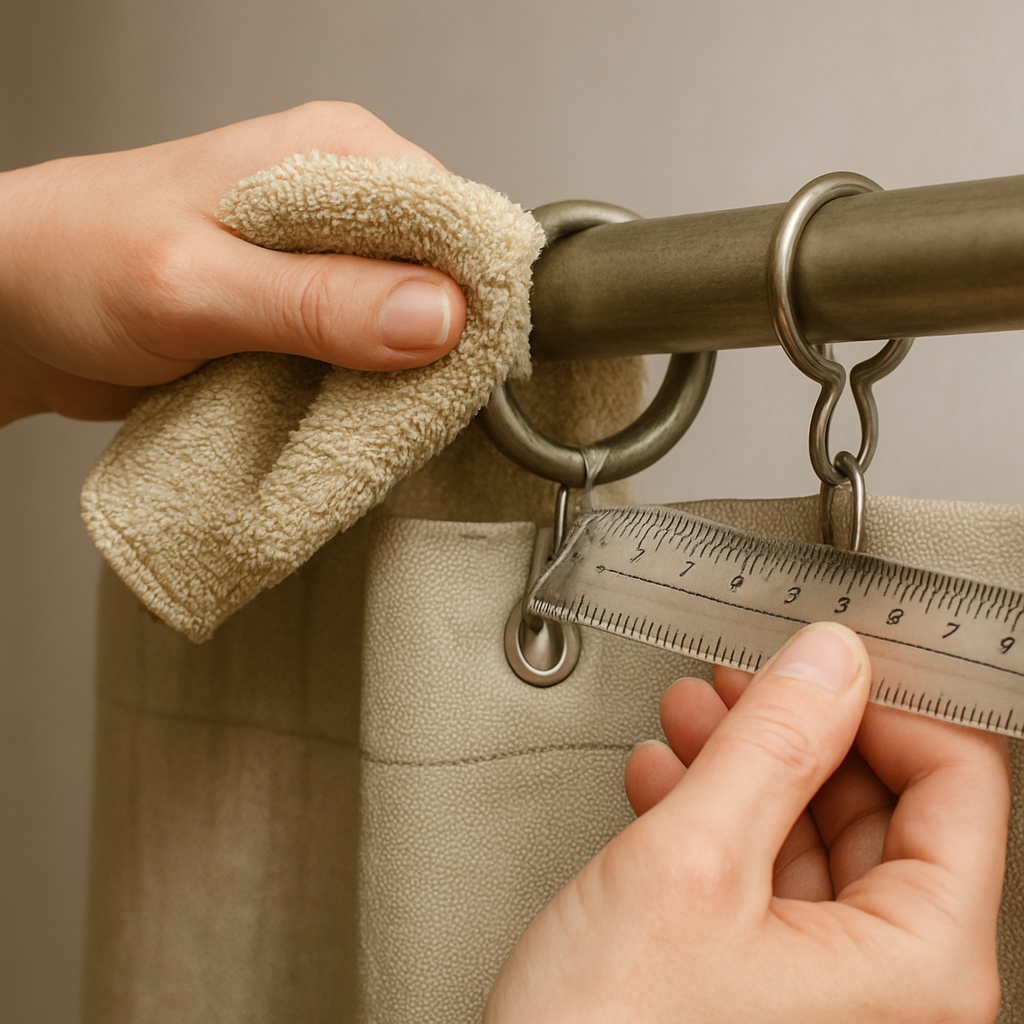
- Measure rod diameter and curtain header before buying hooks.
- Check the curtain heading type. Some hooks only work with certain headings.
- For heavy curtains, use more hooks per panel to distribute weight.
- Test movement before fixing final brackets. You may need lubricated carriers for long spans.
- Avoid clipping delicate fabrics. Use sewn headers or rings instead.
A common mistake is underestimating the weight of lined curtains. That creates sag and stress on hooks. In our experience adding one extra hook every 15 to 20 cm reduces sag noticeably.
Measuring and Spacing Guide
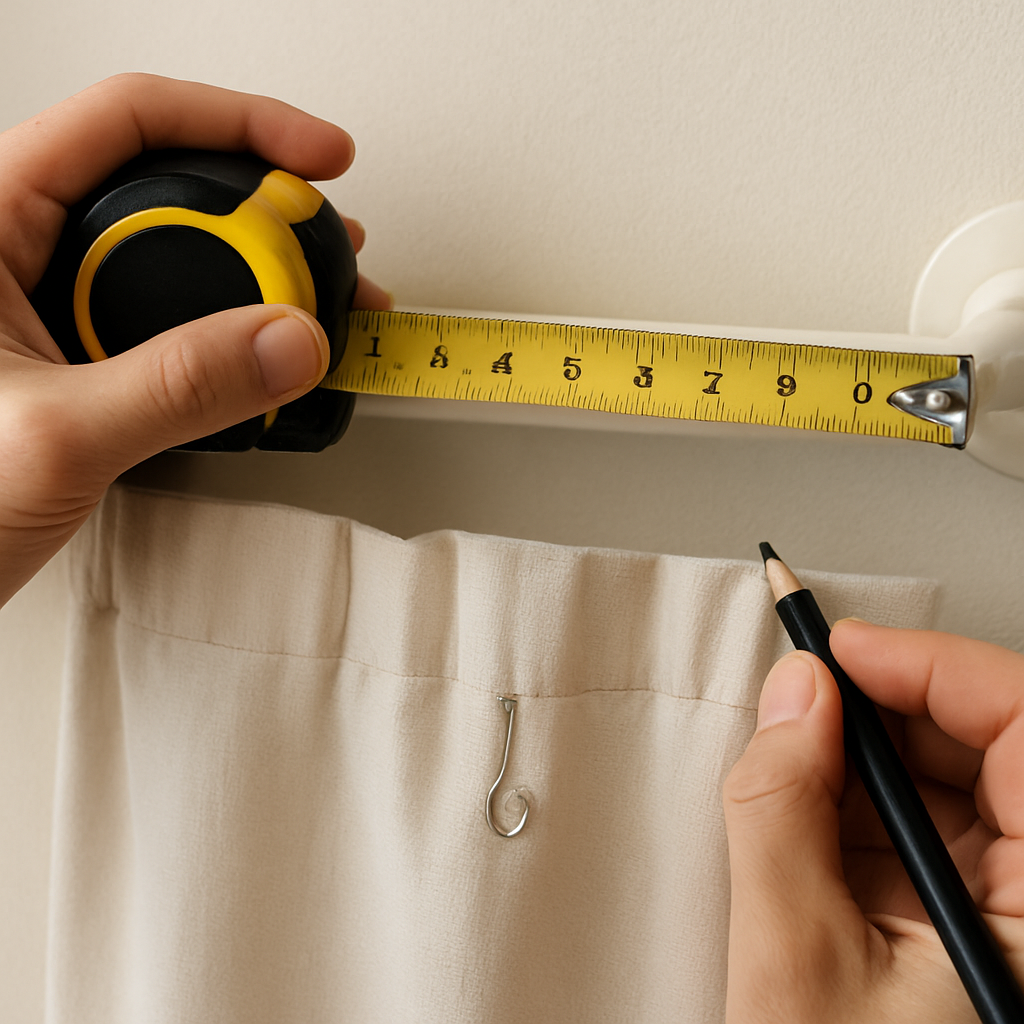
- Standard spacing for pinch pleat hooks: place hooks at pleat points as sewn.
- For rings with clips: space clips every 8 to 12 inches for medium-weight curtains.
- For heavy drapes: 6 to 8 inches between hooks prevents bulging.
Table: Spacing by fabric weight
| Fabric Weight | Suggested Hook Spacing |
|---|---|
| Sheer/lightweight | 10 to 12 inches |
| Medium-weight | 8 to 10 inches |
| Heavy/lined | 6 to 8 inches |
Cost and Market Observations
Based on retail listings and installer feedback, here are approximate price ranges and relative popularity seen in 2024-2025 online sales. These numbers are estimates from market tracking and trade experience.
| Hook Type | Approx. Online Share (estimate) |
|---|---|
| Rings with clips | 22% |
| Eyelets / grommets | 18% |
| Pinch pleat hooks | 12% |
| S-hooks | 8% |
| Traverse carriers | 10% |
| Back-tab | 6% |
| Ripple fold | 9% |
| Magnetic hooks | 3% |
| Snap-on clips | 7% |
| Slide-on metal hooks | 5% |
These values shift by market region and product trends. For example, modern Scandinavian designs pushed grommet-style curtains up in share during 2024.
Choosing the Right Hook: Checklist
- Confirm curtain heading type.
- Match hook strength to fabric weight.
- Choose finish to match rod and room hardware.
- Decide on visible or hidden hardware for style.
- Measure spacing before purchasing.
- Pick hooks compatible with motorized or track systems if you plan automation.
Installation: Step-by-Step for Common Hooks
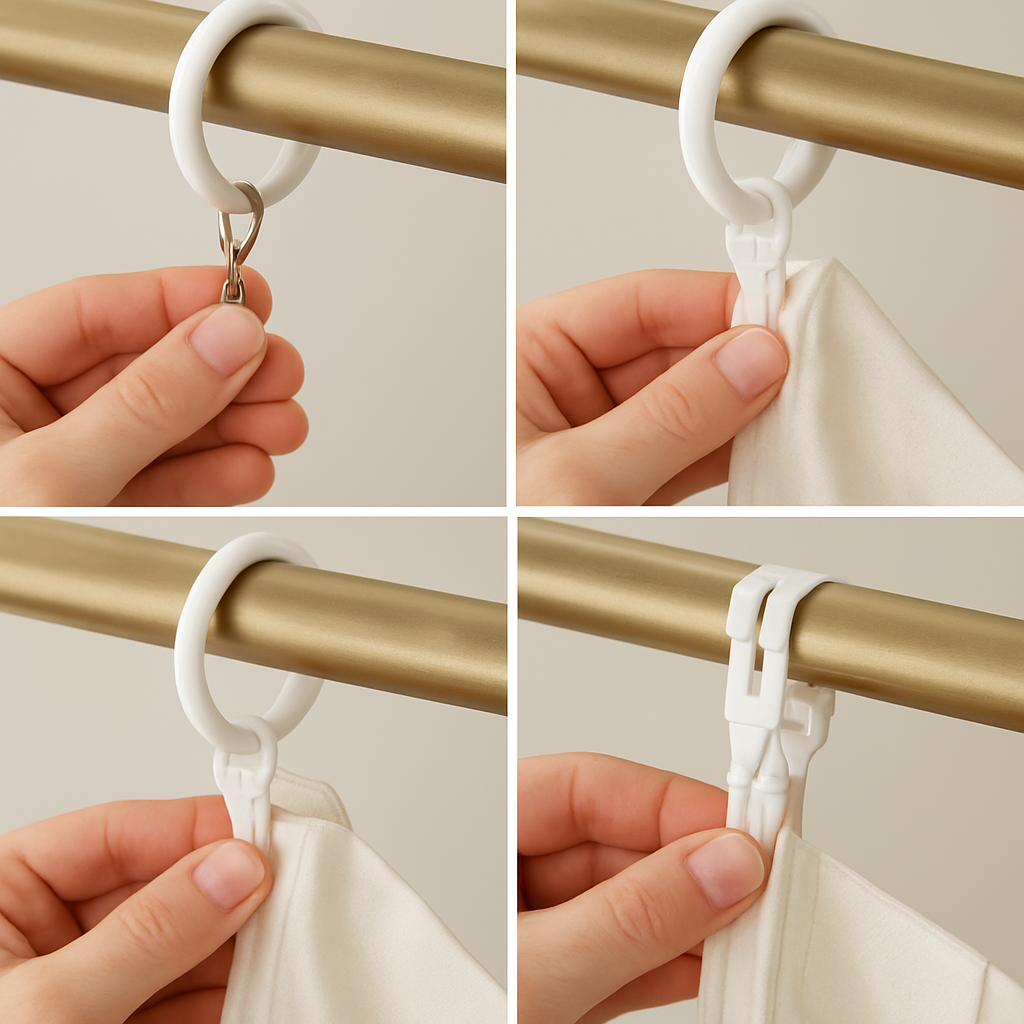
Rings with clips
- Slide rings onto the rod.
- Position rod in brackets, center the rings.
- Attach clips to the curtain top, spacing evenly.
- Even the curtain hem by adjusting clip positions.
Pinch pleat with hooks
- Sew or verify pleat placement.
- Attach hooks to pleat pockets at the back.
- Hang hooks on pins or rings on the rod.
- Spread pleats by hand to set the fold.
Traverse rod with carriers
- Mount the track level and secure brackets.
- Insert carriers into track according to instructions.
- Attach curtains to carriers with hooks.
- Test draw using cord or wand and adjust tension.
Maintenance and Care
- Check clips and hooks annually for wear.
- Clean metal finishes with a damp cloth. Avoid harsh chemicals that strip finishes.
- Replace worn carriers in traverse systems before they fail to avoid curtain damage.
- For rental properties use magnetic or clip systems to avoid sewing changes into curtains.
Final Recommendations
Choose hooks by matching the curtain heading and the weight of your fabric. For a formal room pick pinch pleat or slide-on metal hooks. For fast changes and rental units pick rings with clips or magnetic hooks. For automated or very wide windows choose traverse carriers or ripple fold systems.
In our experience, investing a little more in the right hook type saves time and avoids fabric damage later. Test a small sample set before buying for a whole house.
End of article
Frequently Asked Questions
What are the easiest curtain hooks to install?
Rings with clips, S-hooks, and snap-on clips are the easiest to install. They require no sewing and slide onto the rod quickly.
Which curtain hooks are best for heavy drapes?
Pinch pleat hooks and slide-on metal hooks offer the best support for heavy, lined drapes. Use more hooks spaced closer together to distribute weight.
Can magnetic curtain hooks hold large curtains?
Magnetic hooks work for lightweight panels. They are not recommended for large or heavy curtains because magnets can slip and lose grip.
Do grommet curtains need special rods?
Grommet curtains need a rod with a diameter that fits smoothly through the eyelets. Wide, smooth rods give the best movement and reduce wear.
How often should I check curtain hooks and carriers?
Inspect hooks and carriers once a year. In high-use areas check every six months. Replace worn parts to prevent curtain damage.
Are traverse rod carriers compatible with curtain hooks?
Yes. Many carriers accept small hooks or snap-on connectors. Make sure the hook style matches the carrier slot before buying.
Will clips damage delicate curtains?
Clips can leave marks on delicate fabrics. For sheer or delicate materials, use sewn headers, grommets, or slide-on hooks instead.
What hook spacing works best for curtains?
Spacing depends on weight: 10 to 12 inches for sheer, 8 to 10 inches for medium-weight, and 6 to 8 inches for heavy curtains.
Can I use the same hooks for multiple rooms?
You can reuse hooks if they match curtain weight and heading. Decorative finish and scale should also suit the room style.
Which hooks are best for motorized curtains?
Traverse rod carriers and compatible ripple fold systems are best for motorized curtains. Use low-friction carriers and consult the motor manufacturer for compatibility.