Identify the beetle, remove its food and shelter, and use targeted controls to stop the infestation. For indoor problems use cleaning, vacuuming, and sealed storage; for garden beetles combine traps, handpicking, and targeted treatments.
Key Statistics
- Beetles are the largest insect order, with roughly 350,000 to 400,000 described species worldwide.
- Japanese beetles can severely defoliate plants; heavy localized outbreaks may remove more than half the leaf area.
- Carpet beetle larvae can live several months and are responsible for most fabric damage in homes.
- Routine prevention (sealing cracks, reducing moisture, proper storage) cuts repeat indoor infestations by a large margin in most households.
Quick overview: what works and where to start
Start by identifying where the beetles are and what they are eating. Indoor beetles usually feed on fabrics, stored food, or wood. Garden beetles attack leaves, flowers, or roots. The right first step saves time and keeps treatments targeted.
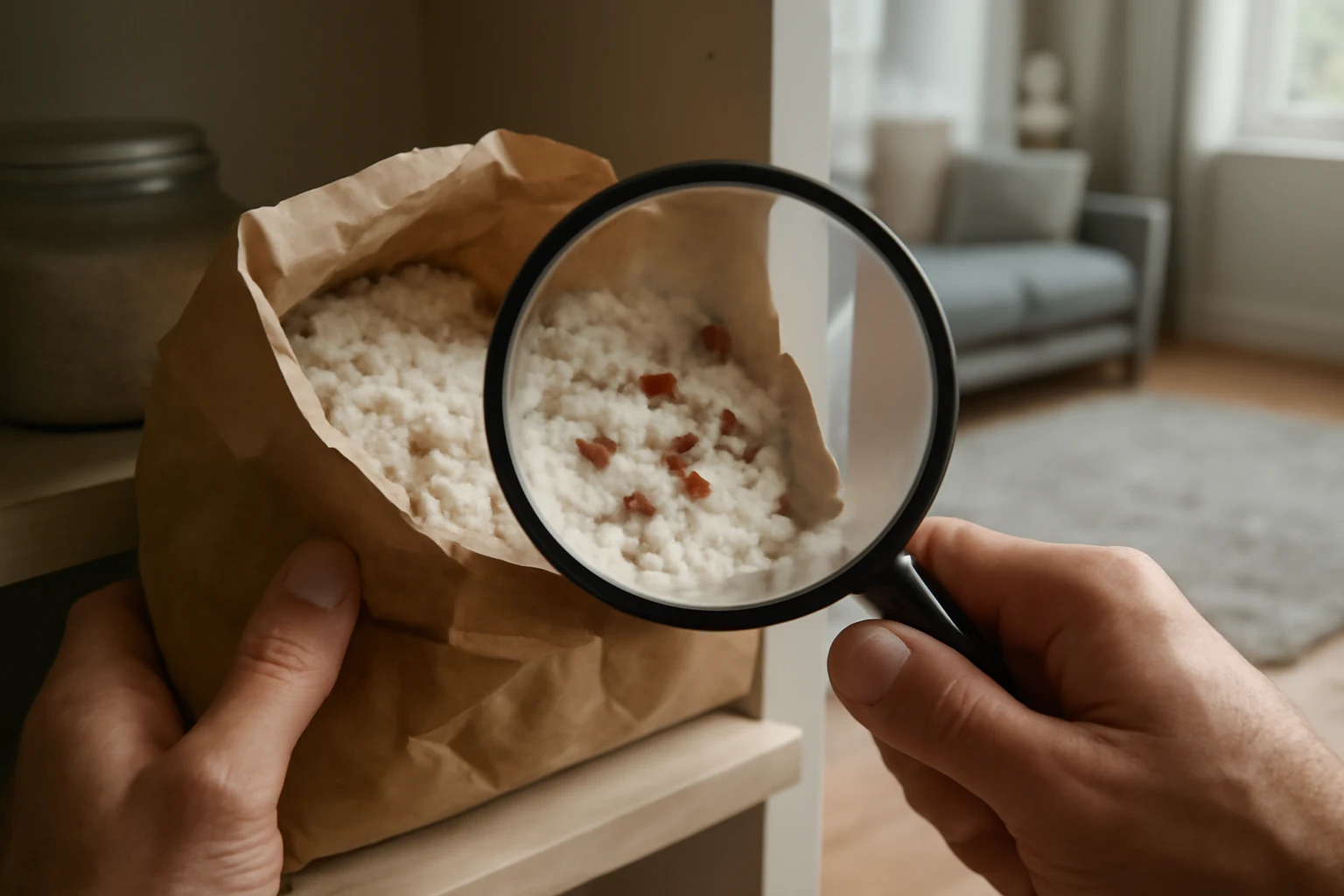
How to identify common beetles and signs of damage
Correct identification directs control choices. Look for size, shape, color, behavior, and where you find them. Adults and larvae often look different.
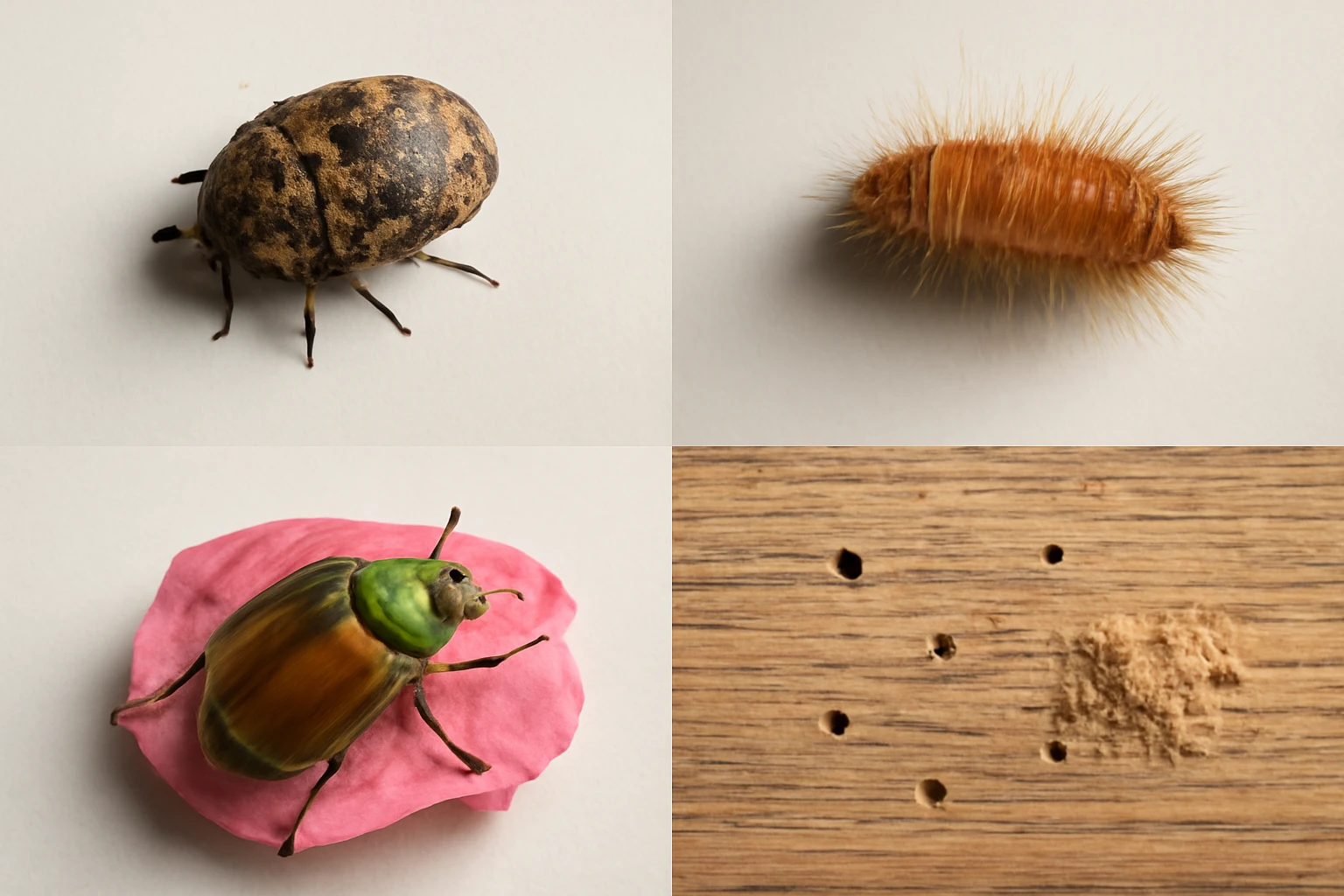
Signs to watch for
- Fabric holes, shed larval skins, or tiny pellets near baseboards indicate carpet beetle larvae.
- Skeletonized leaves or clusters on ornamentals point to Japanese beetles.
- Small round holes and fine powdery frass in wood suggest powderpost beetles.
- Beetles near lights at night often are attracted to illumination rather than food.
Table: Quick ID and typical damage
| Beetle type | How it looks | Typical damage | Common location |
|---|---|---|---|
| Carpet beetle | Tiny, round adults; fuzzy brown larvae | Holes in wool, silk, stored fabrics | Closets, under furniture |
| Japanese beetle | Metallic green head, bronze wing covers | Defoliation, skeletonized leaves | Gardens, roses, fruit trees |
| Powderpost beetle | Small, elongated, brown | Small holes and wood dust | Structural wood, furniture |
| Flea beetle (garden) | Small, jumping, dark | Tiny shot-hole leaves | Vegetables, seedlings |
Prevention and exclusion: the first line of defense
Preventing beetles is cheaper and safer than treating repeated infestations. Start with sanitation and exclusion measures.
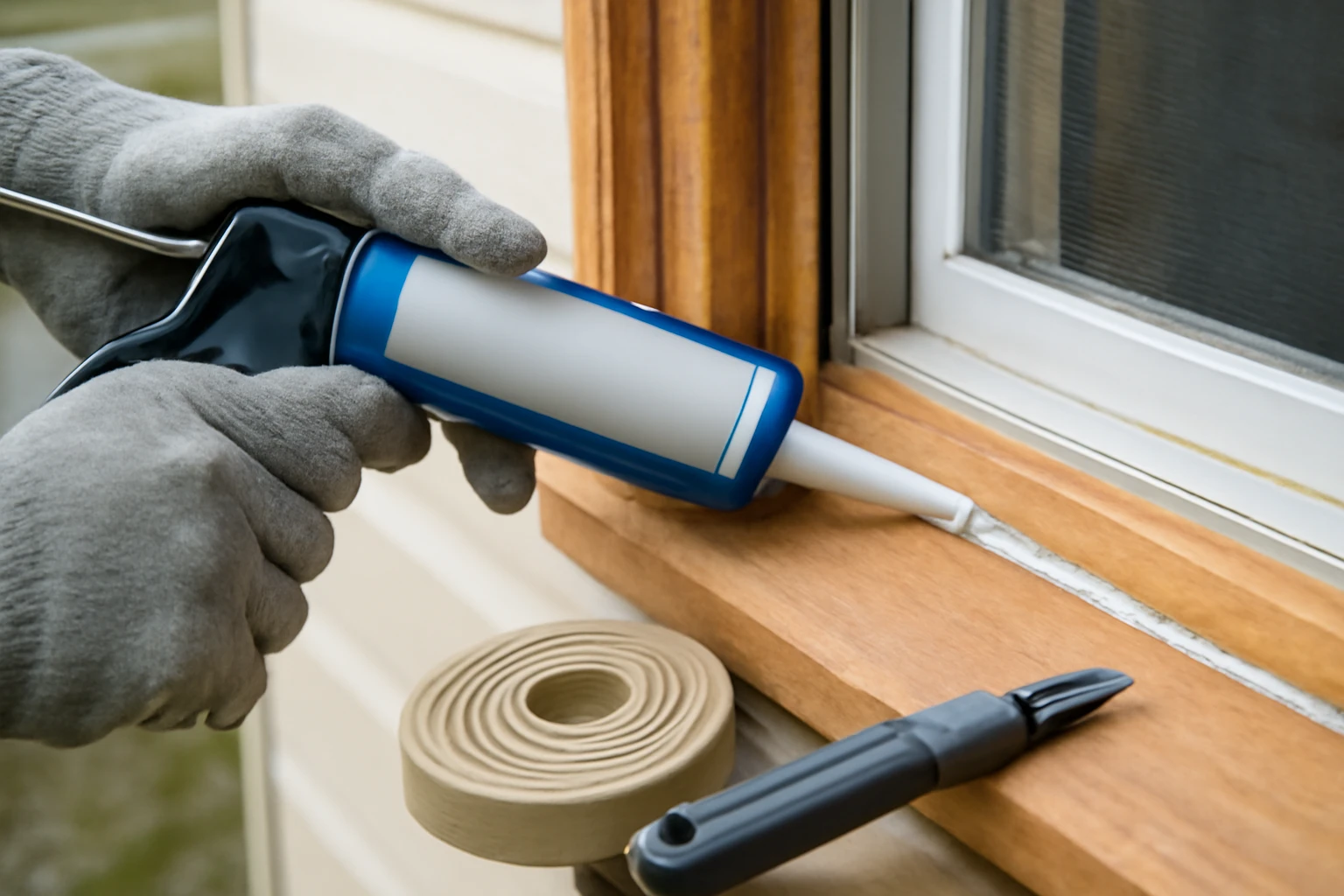
Key prevention steps
- Seal gaps around doors, windows, foundation, and utility entries.
- Store pantry items in airtight containers and rotate older food forward.
- Use garment bags or sealed plastic for seasonal clothes and linens.
- Reduce outdoor lighting near doors; lights attract many beetles.
- Keep gardens healthy: remove decaying fruit and fallen leaves.
Practical note: In our experience, many repeat indoor problems come from a single unseen source like a wool coat in storage or an open flour bag. Find that source and removal often ends the problem.
Natural and non-chemical controls that work
Non-chemical methods often reduce beetle numbers without harming beneficial insects. Pick methods that match the beetle type.

Options and when to use them
- Mechanical removal: handpick Japanese beetles into a jar of soapy water in the morning when they are slow.
- Vacuuming: remove larvae and adults from carpets, baseboards, and upholstery. Empty vacuum outside immediately.
- Traps: pheromone traps capture adults but can attract more insects to the area; use with care and place away from prized plants.
- Diatomaceous earth: effective on crawling beetles when kept dry; use food-grade around cracks and baseboards.
- Biological controls: nematodes can reduce soil-dwelling larvae; Bacillus thuringiensis (Bt) affects certain larval stages.
Table: Non-chemical methods at a glance
| Method | Best use | Limitations |
|---|---|---|
| Handpicking | Small garden outbreaks | Labor intensive |
| Vacuuming | Indoor larvae and adults | Must dispose vacuum contents outside |
| Diatomaceous earth | Crawling insects in dry locations | Ineffective when wet |
| Beneficial nematodes | Soil-dwelling larvae | Requires correct soil conditions |
| Traps | Monitor populations | Can lure insects from nearby areas |
Chemical treatments: targeted options and safety
When non-chemical methods fail, targeted pesticides can be effective. Choose products labeled for the species and location you treat.
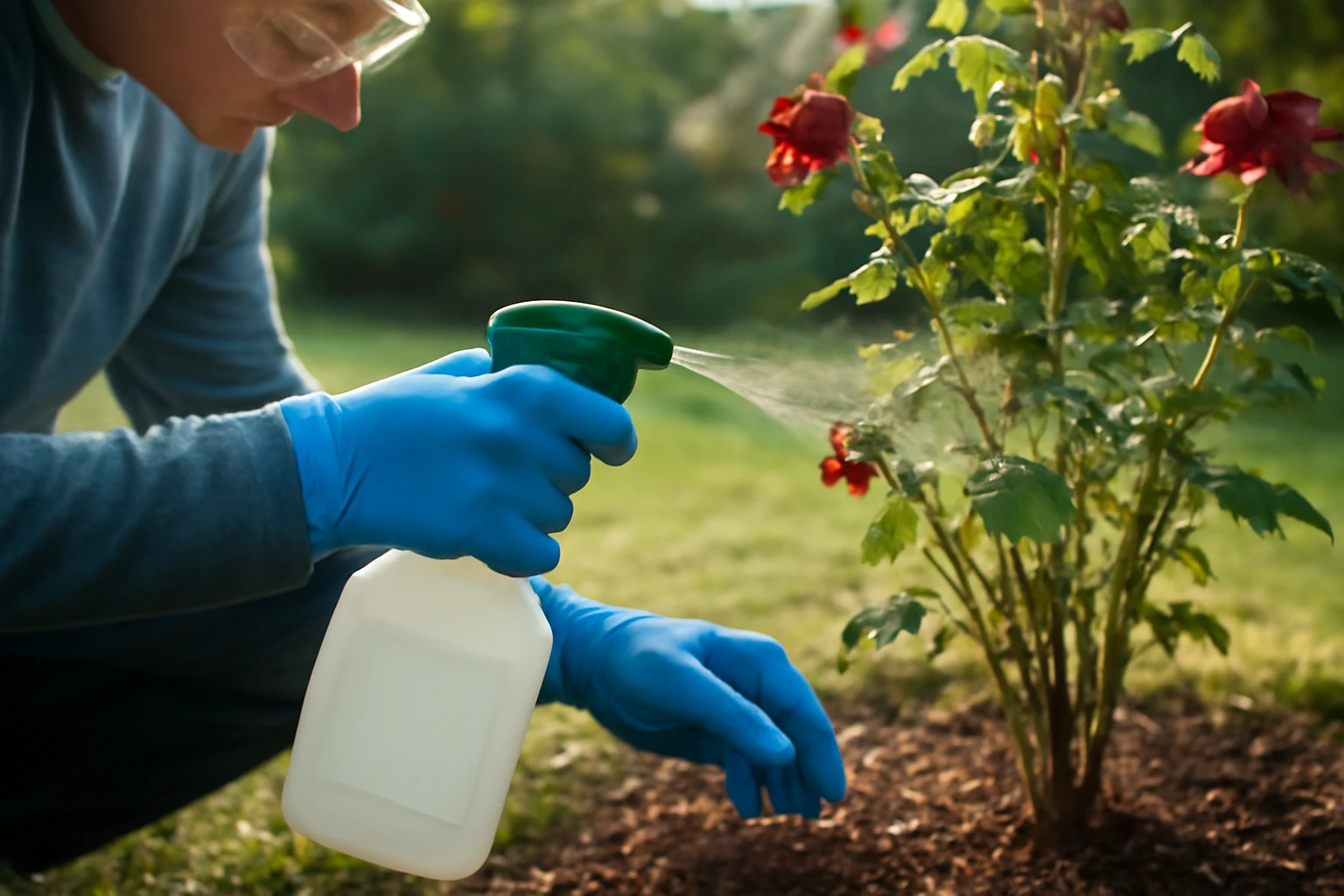
Key points for safe use
- Always read and follow the product label. The label is the law and the safety guide.
- Use indoor products indoors and outdoor products outdoors. Some active ingredients are not for indoor use.
- Apply only to the targeted area. Over-spraying increases exposure and harms non-target species.
- Wear protective gear: gloves, eye protection, and a mask where recommended.
Comparison table: common active ingredients
| Active ingredient | Typical target | Indoor safe? | Residual control |
|---|---|---|---|
| Pyrethroids (permethrin) | Many beetles | Some indoor products exist | Days to weeks |
| Carbaryl | Various beetles | Limited indoor use | Days |
| Neonicotinoids (imidacloprid) | Root-feeding grubs | Not for indoor surfaces | Weeks to months in soil |
| Borate (boric acid) | Wood-infesting beetles | Used in some indoor baits | Long residual in wood |
Practical observation: Broad-spectrum sprays may kill beneficial insects. A focused bait or targeted soil drench often does the job with less environmental impact.
Dealing with specific beetle species (identification and targeted control)
Different beetles need different actions. Below are common pest species and the most effective approaches for each.
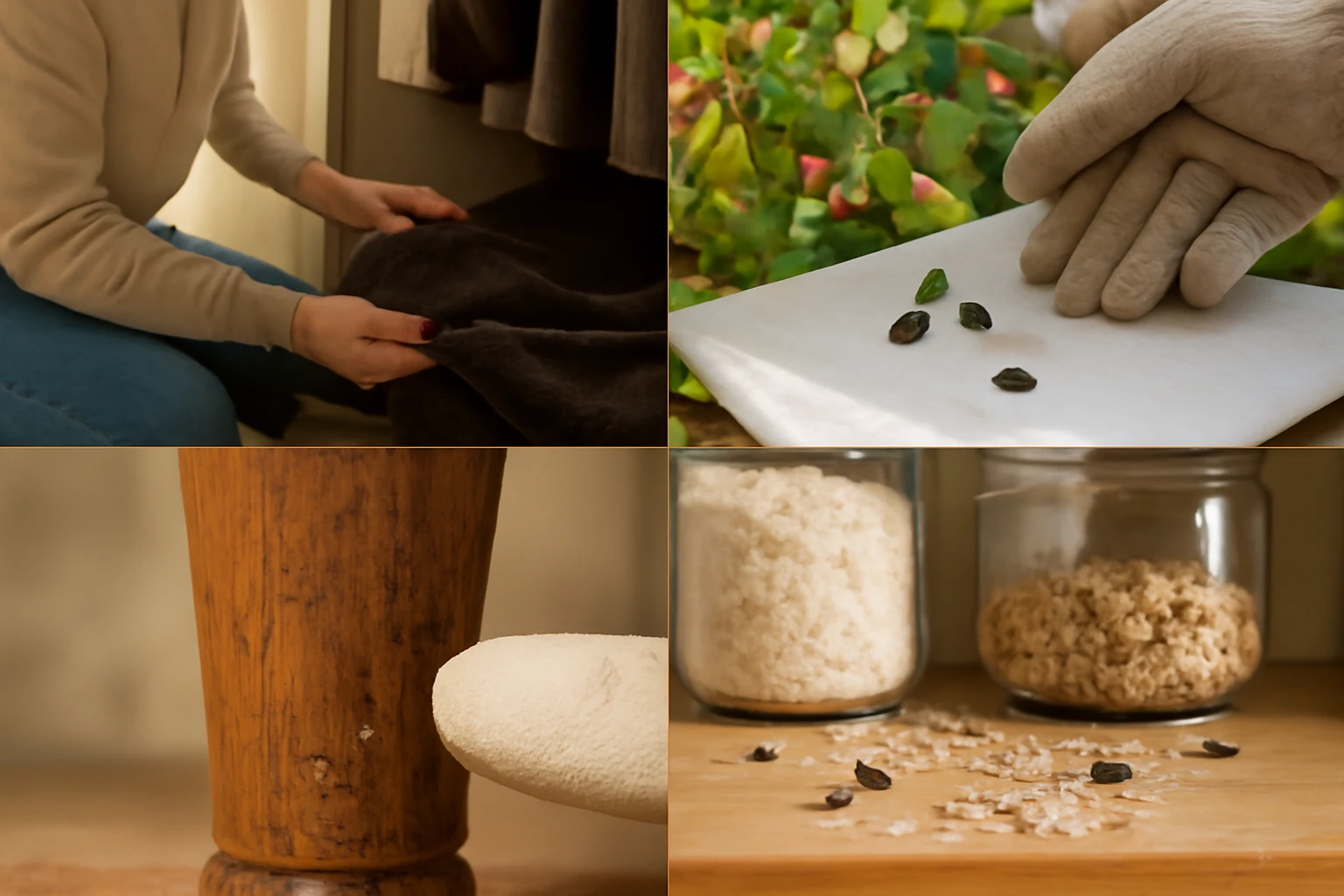
Carpet beetles — how to stop fabric damage
Carpet beetle larvae are the damaging stage. They hide in dark folds and feed on natural fibers.
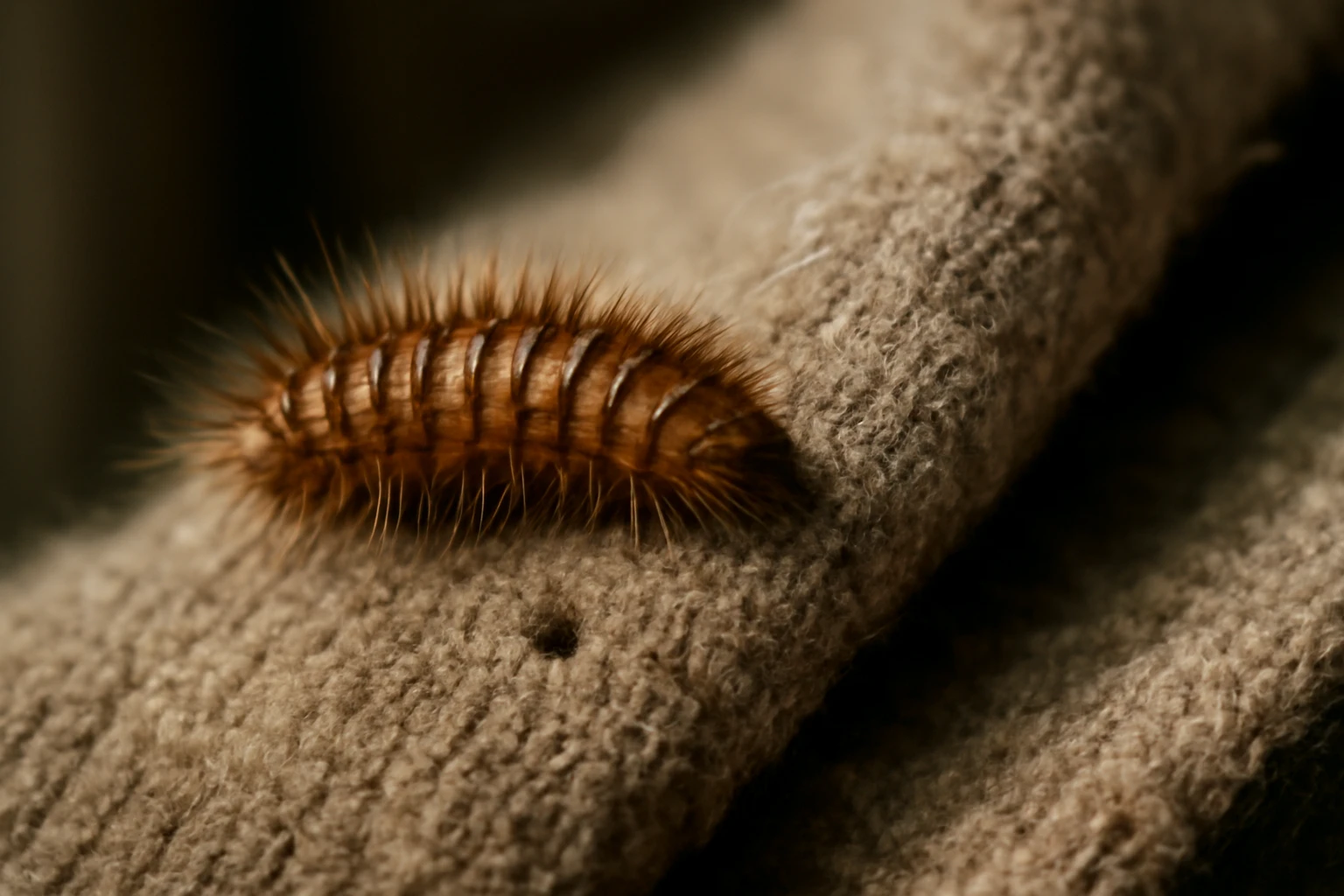
Action steps
- Vacuum all cracks, under furniture, and along baseboards. Bag and remove vacuum contents.
- Wash or dry-clean infested clothing and store in sealed containers.
- Use insecticide dusts or borate treatments in wall voids where recommended by a professional.
- Inspect stored items every few months.
Japanese beetles — garden tactics
Adults feed on flowers and leaves; they are daytime feeders that cluster.
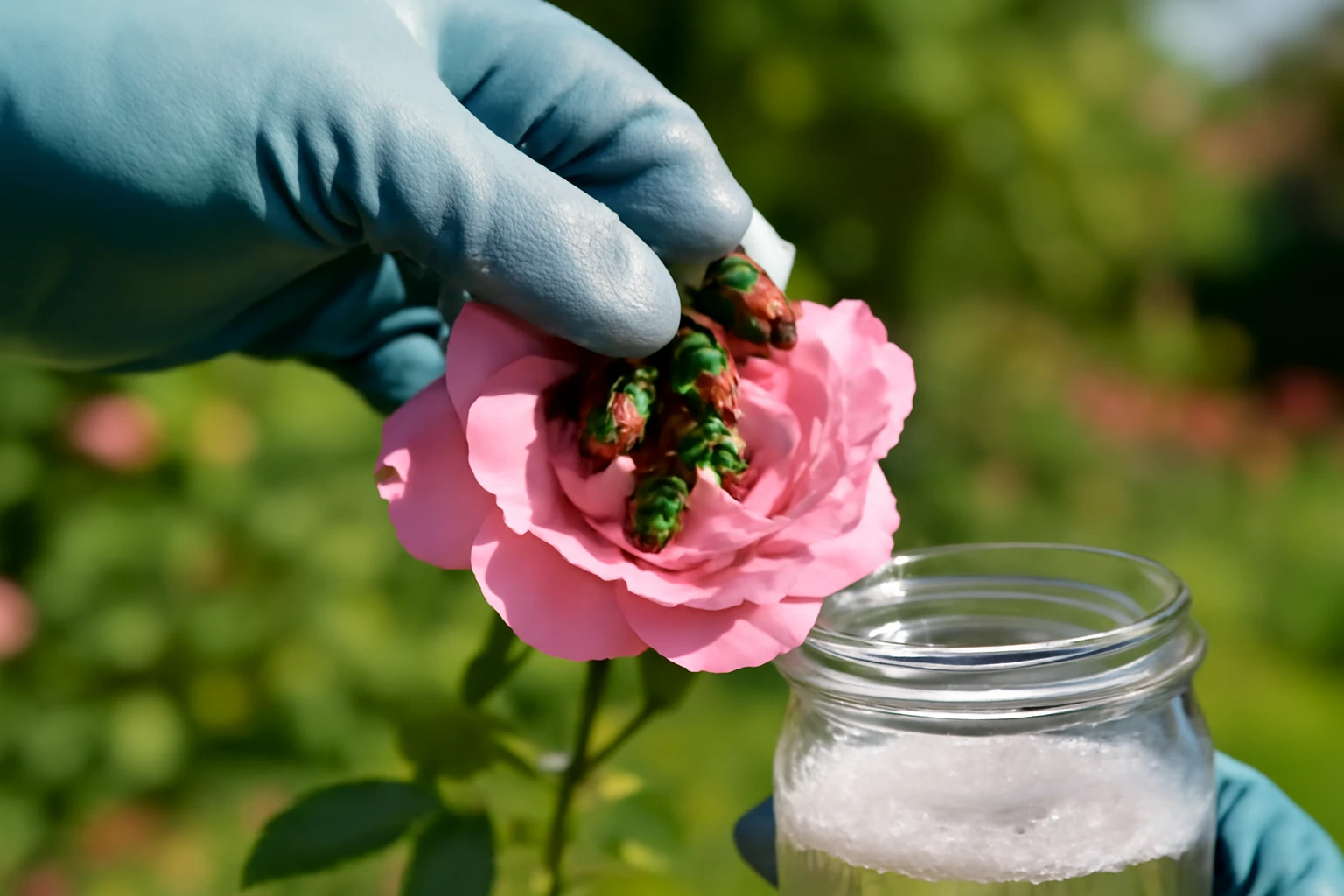
Action steps
- Handpick early in the morning into soapy water.
- Use row covers for small plants during peak activity.
- Apply targeted soil treatments or biological nematodes for grub control in late summer where grubs are the issue.
- Avoid broad traps unless you want to reduce a small local population and not lure more beetles.
Powderpost and wood-boring beetles
Small exit holes and fine dust point to active wood borers.
Action steps
- Confirm active infestation before treatment; sometimes the damage is old.
- Treat small items with borate products or replace infested wood.
- For structural concerns, consult a professional who can inject or fumigate where needed.
Seasonal timing: when to act for best effect
Timing matters. Match the treatment to the beetle life stage for greater success.

Seasonal checklist
- Early spring: inspect for overwintering adults and clean storage areas.
- Late spring to early summer: watch for adult leaf feeders; handpicking works best now.
- Late summer: treat soil for grubs and reduce populations for next year.
Table: Typical activity window for pests
| Pest | Adult activity peak | Best control timing |
|---|---|---|
| Japanese beetle | Late spring to mid-summer | Early morning handpicking, late-summer grub control |
| Carpet beetle | Year-round (indoor) | Regular cleaning, treat when larvae found |
| Powderpost beetle | Warmer months | Inspect and treat when exit holes active |
When to call a professional pest controller
If infestations are extensive, recurring despite treatment, or in structural wood, call a licensed pest control pro. Professionals provide inspection, targeted treatment, and follow-up.
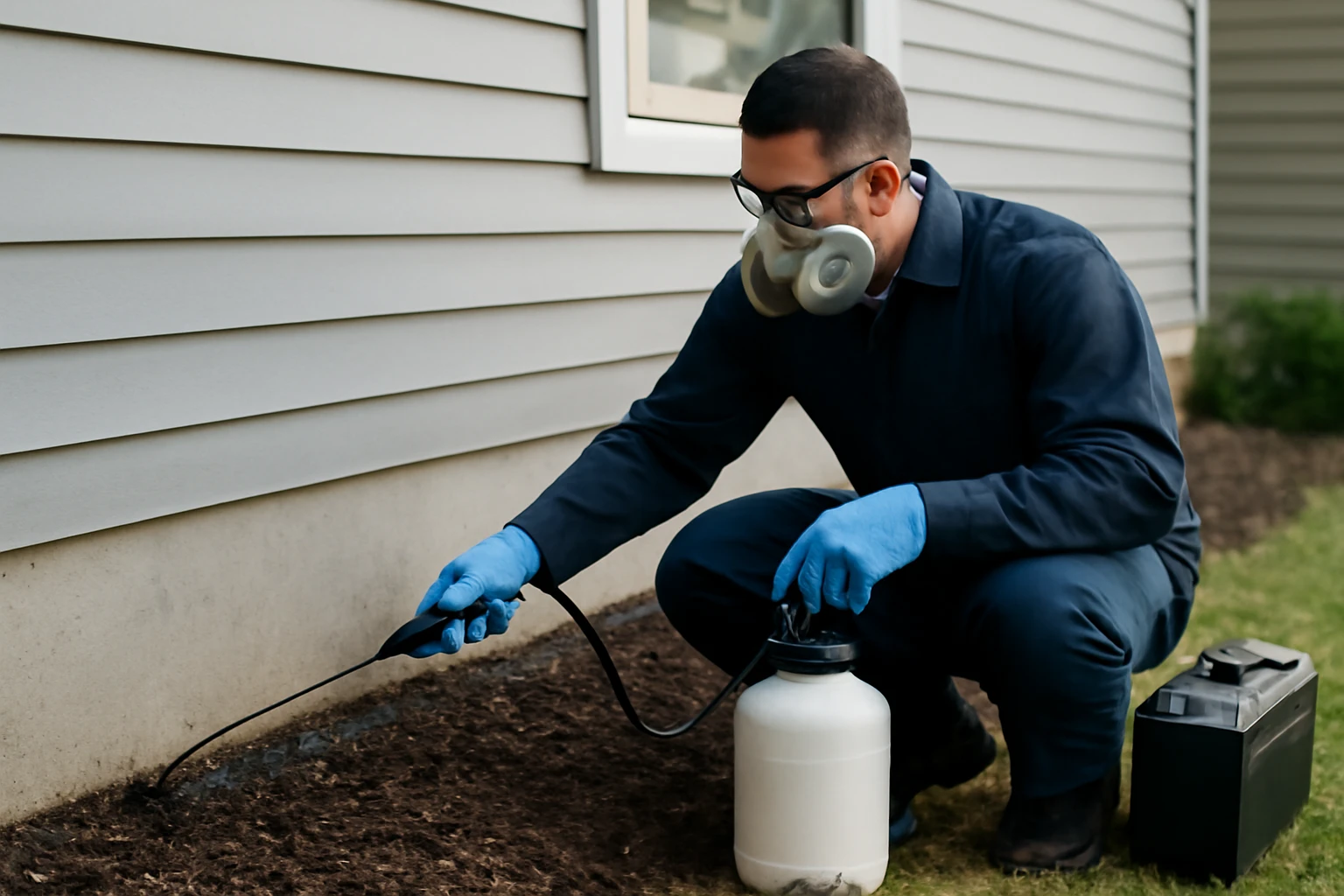
What to expect from a pro
- A detailed inspection and written recommendations.
- Targeted treatments rather than broad spraying.
- Advice on exclusion and follow-up monitoring.
- Quotes that explain the product and the expected timeline.
A common mistake is delaying a call when structural wood is affected. Early professional assessment can save money and prevent costly repairs.
Safety and environmental considerations
Use the least toxic effective option first and minimize exposure to people, pets, and beneficial insects.
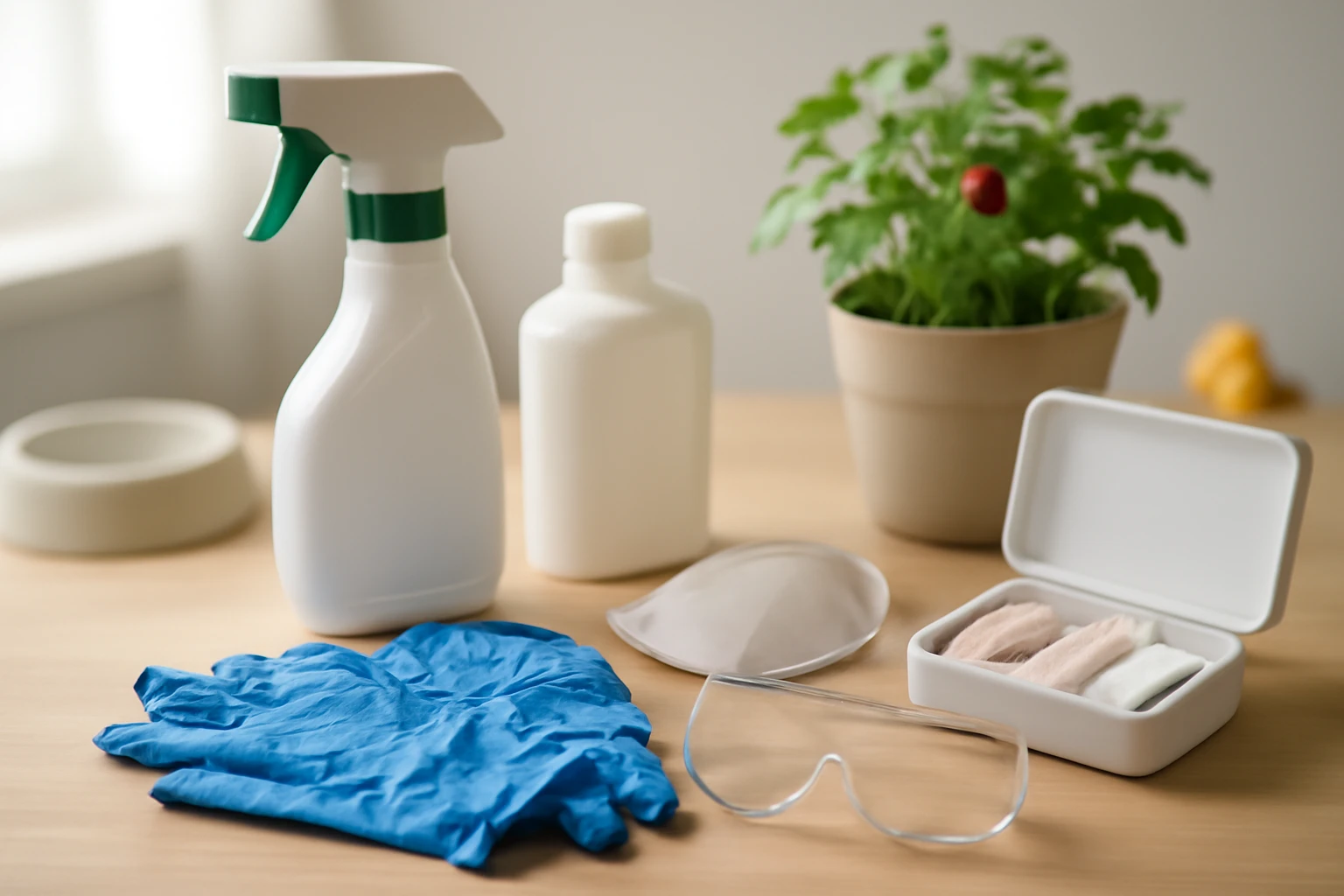
Practical rules
- Keep children and pets away from treated areas until dry and safe.
- Never mix products unless the label permits it.
- Dispose of pesticide containers exactly as the label directs.
- Choose spot treatments over broad broadcast sprays when possible.
Quick action checklist and sample treatment plan
Use this checklist to respond quickly. Adjust steps to the species and scope of the problem.
- Identify beetle and locate food or breeding sites.
- Remove or isolate the source (food, infested fabric, decaying wood).
- Vacuum and clean affected areas; launder fabrics.
- Apply non-chemical controls first: traps, handpicking, diatomaceous earth.
- If needed, apply labeled chemical treatments targeted to the species.
- Reinspect after one to two weeks; repeat targeted actions if live beetles remain.

Final thought: Many beetle problems resolve when you find and remove the source and follow a short, focused treatment. Persistent or structural cases need inspection from a licensed pro.
Frequently Asked Questions
How do I know if my beetle problem is indoor or outdoor?
Check where you find the beetles most often and what they are feeding on. Fabrics, stored food, or shed larval skins point to an indoor problem. Clusters on leaves, flowers, or fruit usually indicate a garden issue. Note the time of day and season. Indoor infestations often persist year-round; outdoor beetle activity rises with warm weather.
Are DIY traps effective for Japanese beetles?
Traps can reduce local numbers but may attract more beetles into the area if placed near vulnerable plants. Use traps away from prized plants or combine trapping with active handpicking and plant protection to avoid increasing damage.
Will diatomaceous earth harm pets?
Food-grade diatomaceous earth is low in toxicity but can irritate eyes and respiratory passages. Use it in dry, out-of-reach areas and avoid direct application on pet bedding. Wear a dust mask during application and keep pets away until dust has settled.
What is the fastest way to stop carpet beetle damage?
Clean and isolate: vacuum thoroughly, launder or dry-clean affected items, place cleaned items in sealed containers, and treat cracks or crevices with a recommended dust or spray. Inspect stored clothing regularly to prevent reinfestation.
When should I call a professional pest control company?
Call a professional for large, recurring, or structural infestations, or when treatments you try do not reduce beetle numbers. A pro can confirm the species, assess structural damage, and apply treatments that are restricted to licensed applicators.
Are natural predators useful in controlling beetles?
Yes. Birds, predatory insects, and parasitic wasps reduce many garden beetle populations. Encourage natural predators by planting diverse plants and avoiding broad insecticide use. For soil-dwelling grubs, beneficial nematodes can be an effective biological control.
How long before I see results after treating beetles?
Results vary. Handpicking and cleaning give immediate reduction. Non-chemical measures may take days to weeks. Chemical treatments often show results within a few days but follow-up may be necessary to target newly hatched larvae or late-stage pests.