By Bash Kaif
Published on 09/16/25
Hey, friend, have you ever found a moth fluttering in your closet and panicked? Oh, I feel you—those little pests can turn your space into a nightmare, like spotting summer ants in Texas invading your picnic or tiny white bugs on soil in your garden! But guess what? There’s a simple fix sitting in your pantry: vinegar! I’m sharing how to kick moths out fast with this household hero, plus expert tips to keep them gone, all woven with your favorite home and garden vibes like perennial plant with small purple flowers and pergola with lights. Let’s tackle this like we’re swapping pest-control secrets over coffee in a kitchen with stained oak cabinets!
Why Moths Are a Problem

Moths are like uninvited guests who ruin your favorite sweater! They love cozy, humid spots and can damage clothes and pantry goods, like a cracked toilet bowl hairline crack messing up your bathroom. Using vinegar and smart strategies can send them packing, leaving your home as fresh as a san diego red bougainvillea or a blue and white tiled bathroom. Here’s how to do it, with tips from pest pros!
How Vinegar Works Against Moths
Vinegar is like a secret weapon for moth control! It doesn’t kill them outright, but its sharp, acidic smell throws them off their scent trails, like a mars madness hibiscus stealing the show in your garden. Carpenter explains that moths rely on these trails to breed, feed, and lay eggs. A vinegar spray disrupts their game, like pruning a woodward juniper to keep things tidy, sending them packing or discouraging their return.
How to Use Vinegar to Get Rid of Moths
Step 1: Clear the Infested Area

Start by emptying the moth hotspot—pantry, closet, or linen storage. It’s like clearing a rural driveway entrance for a fresh start. Check for silk threads, cocoons, or webbing, and vacuum them up, like wiping mold in a toilet tank with a metal cleaner spray. Empty the vacuum outdoors to avoid re-infestation, as careful as installing a single gang box metal with electrical straps.
Step 2: Look for Signs
Scope out the area like a detective! Hunt for moth eggs or larvae in corners and seams, like spotting closet bugs or images of grass fungus. Vacuum thoroughly, ensuring no traces remain, similar to cleaning a shower door towel bar for a sparkling finish.
Step 3: Make a Vinegar Mixture
Here’s where the magic happens! Heat vinegar and mix it with warm water, like brewing a potion for a cactus plant with red flowers. Carpenter says warm mixtures penetrate crevices better, breaking down moth egg glue, like choosing travertine vs marble for durability. Spray it into corners, seams, and shelf joints, as precise as measuring tub plumbing rough-in dimensions.
Step 4: Dry Out Larvae
For pantry moths, add salt or baking soda to the mix! This dries out larvae, like using mason sand for leveling a lawn to keep it pristine. It’s a game-changer, like tending a yarrow seedling to prevent overwatering issues.
Step 5: Boost with Essential Oils

Want to up the ante? Velev suggests adding lavender, cedarwood, or peppermint essential oils to your vinegar mix—moths hate these scents! It’s like planting a green white leaf shrub to repel pests or using a night jasmine seed for a fragrant garden. Spray generously, like decorating with a backsplashes herringbone pattern.
Step 6: Let It Sit
Don’t rush to refill your shelves! Let the solution sit for a few days to break the moth life cycle, Carpenter advises. It’s like letting a splendid philodendron settle before watering, ensuring moths move on or die off, leaving your space as fresh as a queen anne’s lace hydrangea.
Step 7: Repeat Until Moths Are Gone
Keep at it until those pests are history! Repeat the process, like maintaining a hydrangea strawberry sundae tree, to ensure your home stays moth-free, as organized as a 4200 square foot house with perfect flow.
Additional Tips for Getting Rid of Moths
Run a Dehumidifier
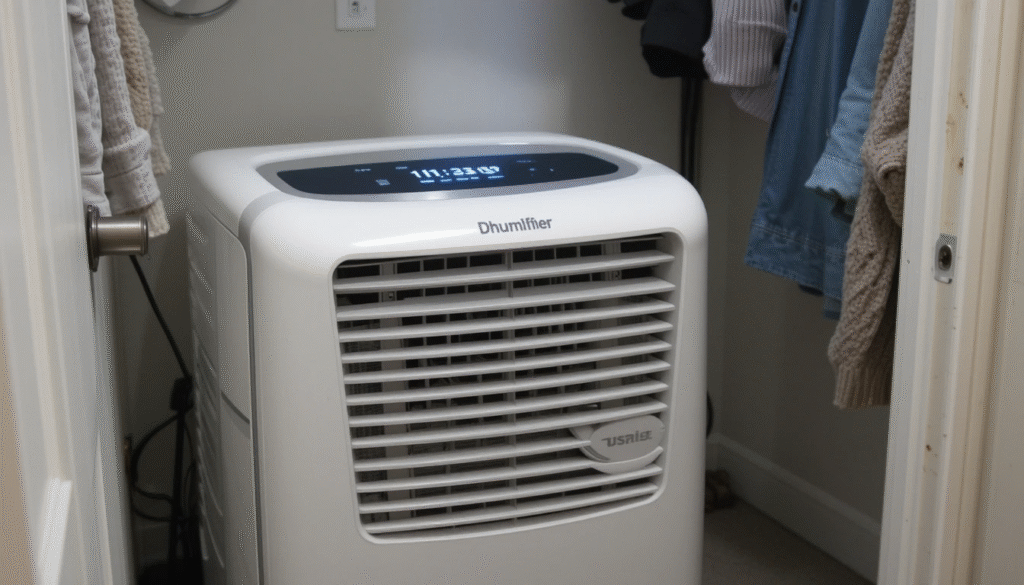
Moths love humidity, like a red stalk plant thriving in damp soil. Carpenter suggests running an air conditioner and dehumidifier for 2–3 days to dry out the space, like ensuring evergreen trees in California stay healthy. It’s as effective as avoiding sewage coming out of a shower drain.
Freeze Infested Clothes
Got moths in your closet? Freeze them out! Carpenter recommends putting infested clothes (wool, silk, or linen) in the freezer for three days to kill larvae, like protecting a fan palm seed from pests. It’s as clever as using a prehung door with perfect door hinge placement.
Paint Your Closet
Give your closet a makeover! Empty it out and paint with mold- and insect-resistant paint, as unfinished wood attracts moths, Carpenter notes. It’s like choosing waterproof laminate vs vinyl plank for a clean look or painting a turquoise and white accent wall.
Use Airtight Storage
Seal your stuff tight! Velev advises using airtight containers for pantry goods and sealed garment bags for clothes, like storing pine pallets safely. This keeps moths out, as secure as a single gang box metal wired correctly.
Try Pheromone Traps
Pheromone traps are moth magnets! Velev says they attract male moths, stopping the breeding cycle, like pruning a dwarf serbian spruce to control growth. Place them strategically, like a chandelier hung at the perfect height (check how high above a table a chandelier should be).
Call a Pro
Still seeing moths? Time to call in the big guns! If vinegar and traps don’t work, a pest pro can apply specialized treatments, like fixing a toilet gurgling when showering or choosing copper l vs m for plumbing.
Final Thoughts
Kicking moths out with vinegar is like planting a perennial plant with small purple flowers—simple and so satisfying! With a few sprays and smart storage, your home will be pest-free and fabulous, like a pergola with lights glowing at dusk or a blue and white tiled bathroom sparkling clean. So, grab that vinegar bottle, channel your inner pest buster, and make your space shine like a black prince snapdragon in bloom! Got more projects, like tackling how fast a monstera grows or choosing travertine vs marble? Let’s keep the home and garden chat going!