There’s a special kind of magic in restoring an old piece of wood furniture, peeling back layers of history to reveal its natural beauty. Over a cozy weekend chat, my friend and I dreamed about reviving a weathered wooden table, sparking memories of our gardening and home projects. “It’s like uncovering a hidden gem, like a bougainvillea plant pink in full bloom!” I said, grinning. Here’s a heartfelt guide to stripping paint from wood, infused with emotion and woven with our favorite home and garden tips, to bring your wood pieces back to life with love and care.
Why Strip Paint? A Labor of Love
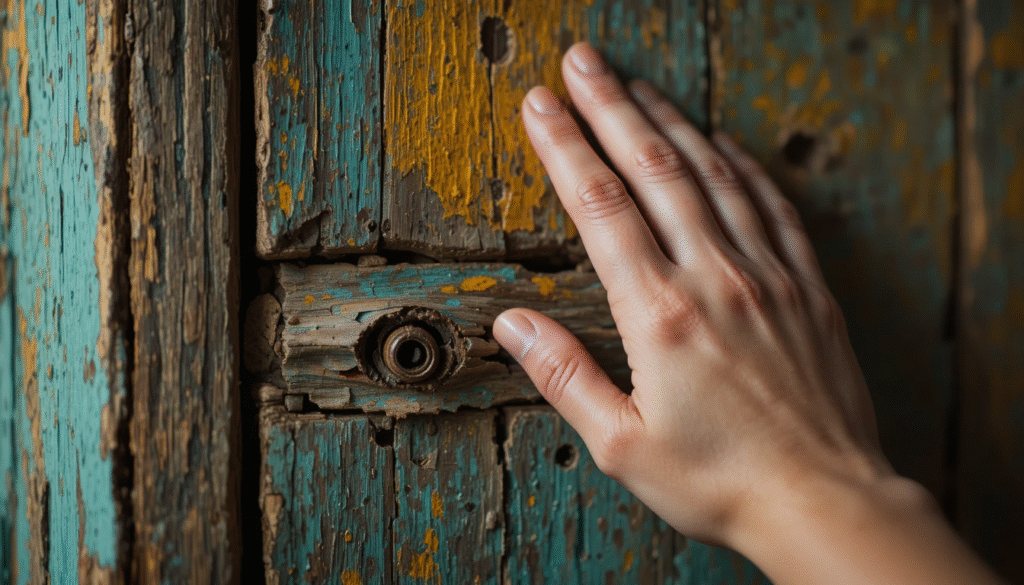
Stripping paint from wood is like tending to a garden of drought hardy shrubs or a sun-loving hosta—it’s about renewal. Whether you’re refreshing a piece for a kitchen with cherry wood cabinets or a cozy corner with a peperomia Ecuador, removing old paint can transform it. Sanding alone is dusty and labor-intensive, like battling voles in Wisconsin, and if the paint is pre-1978, it might contain lead, which is as risky as a sewer smell coming from a shower drain. Instead, chemical strippers, heat guns, or natural methods offer safer, faster ways to restore wood, much like choosing fine vs coarse thread for a precise sewing project.
Choosing Your Method: Tools for the Soul
Each method for stripping paint has its own charm, like picking between a mesa red blanket flower and a white periwinkle for your garden. Here’s a look at your options, each as unique as a Christmas lantern DIY:
- Chemical Paint Strippers: These use potent chemicals like dichloromethane to loosen paint, as effective as a 3120 Husqvarna clearing tough terrain. Newer, less caustic formulas make them safer, like using septic safe cleaners.
- Sandpaper: Abrasive but reliable, sandpaper starts coarse (80-grit) and moves to finer (220-grit), like smoothing a wood hardness scale acacia piece. It’s dusty, though, so avoid it for lead paint.
- Heat Gun: A heat gun softens paint without chemicals, like warming an above-ground cocktail pool. But it can vaporize paint, so use caution to avoid fumes or fire risks.
- Steam Stripper: Using water vapor, this method is gentle but moist, like nurturing a tropical snow plant. It avoids dust but may swell wood if overdone.
- Infrared Devices: These heat paint slowly, perfect for lead paint as they don’t vaporize it, like tending a double take eternal white quince with care.
What You’ll Need: Gathering with Purpose
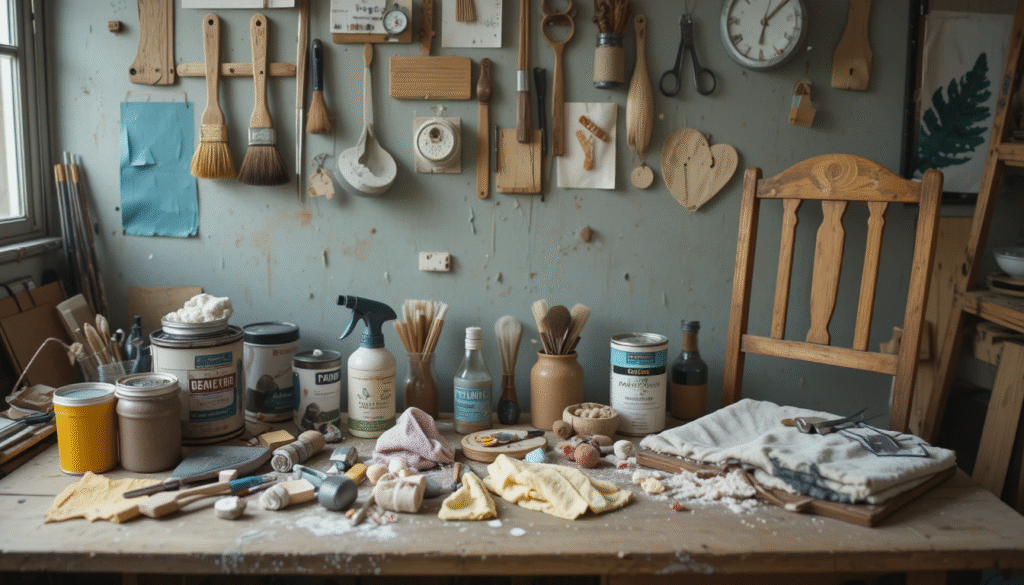
Before diving in, gather your supplies like you’re planting part shade part sun perennials or setting up a greenhouse attached to a house:
- Tools: Metal putty knife (not plastic, which melts like a poorly chosen expansion tank water heater location), gloves, protective eyewear, ventilator, apron, optional hand/power sander, heat gun, steam stripper, or infrared device.
- Materials: Paint stripper of choice, paintbrush, mineral spirits or water, steel wool (no soap, like cleaning a fur carpet), sandpaper (80-, 150-, 220-grit), tack cloths, rags.
How to Strip Paint: A Step-by-Step Journey
Chemical Paint Stripper: Bold and Effective
Brush on a thick layer of chemical stripper in one direction, like painting a wall with different textures for walls. When the paint bubbles, scrape it off with a metal putty knife, as sturdy as anchors in cinder block. Reapply for multiple layers, like tending a crinum lily Queen Emma. Clean the wood with mineral spirits and steel wool to remove stubborn bits, then lightly sand to smooth, as precise as a standard drywall screw size. It’s like removing a milk stain on a couch—thorough and satisfying.
Sandpaper: Grit and Determination
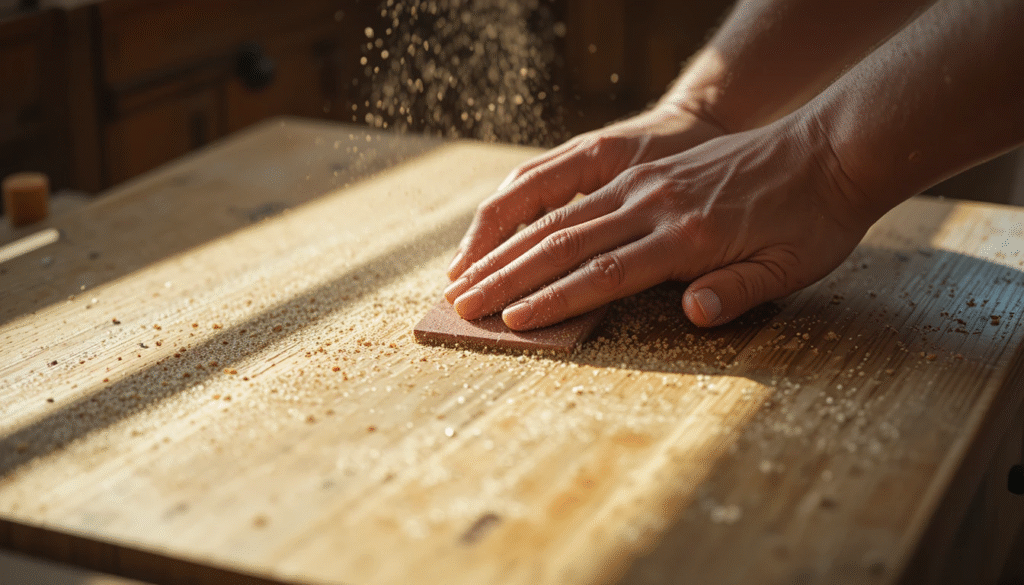
Start with 80-grit sandpaper to tackle the top coat, like pruning an orange shrimp plant. Move to 150-grit, then 220-grit, dusting off particles with a tack cloth, as careful as ensuring the right electric range circuit breaker size. Avoid lead paint, and don’t press too hard—it’s like knowing can you wash satin (gently, yes!). Clean the surface with a damp cloth for a finish as smooth as a jasmine Asian snow bloom.
Heat Gun: Warmth with Caution
Hold the heat gun a few inches from the wood, moving it back and forth until the paint bubbles, like warming a cordyline Charlie boy. Scrape off the softened paint, then clean with denatured alcohol or mineral spirits. It’s fast, like a spartan zero-turn mower, but watch for fire risks, as serious as checking does cayenne pepper repel mice (it can!).
Steam Stripper: Gentle and Moist
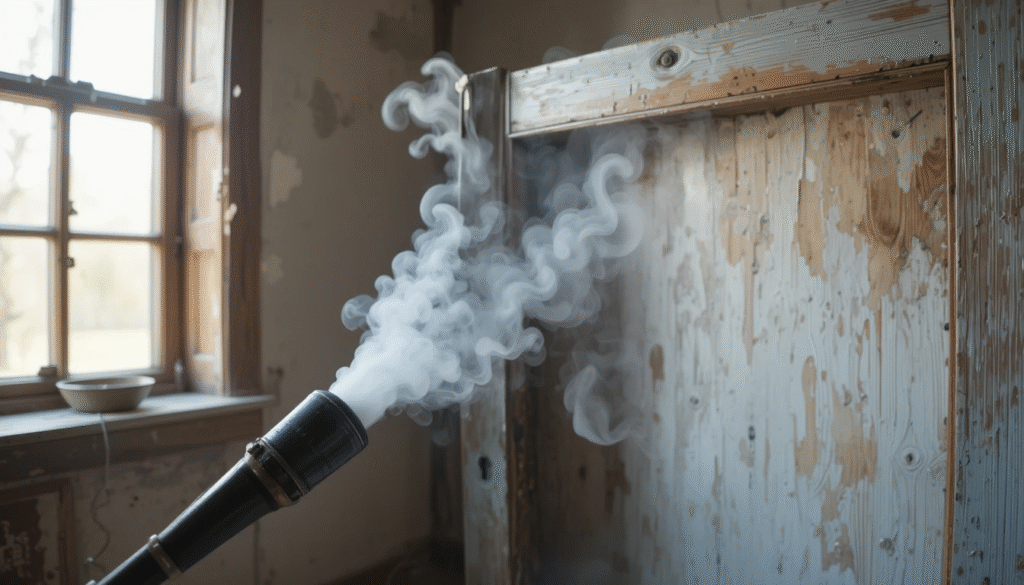
Hold the steam stripper an inch away until the paint bubbles, then scrape it off, section by section, like nurturing a petunia mini. Sand the wood smooth and clean with a tack cloth to avoid moisture damage, as careful as knowing how to get color bleed out of clothes.
Infrared Device: Slow and Safe
Heat the paint until it bubbles slightly, avoiding burns like choosing the right standard height for outlet placement. Scrape off the paint, repeat, and sand the wood smooth, cleaning with a tack cloth. It’s ideal for lead paint, as safe as a button daisy in a garden.
Safety First: Protecting Your Heart and Home
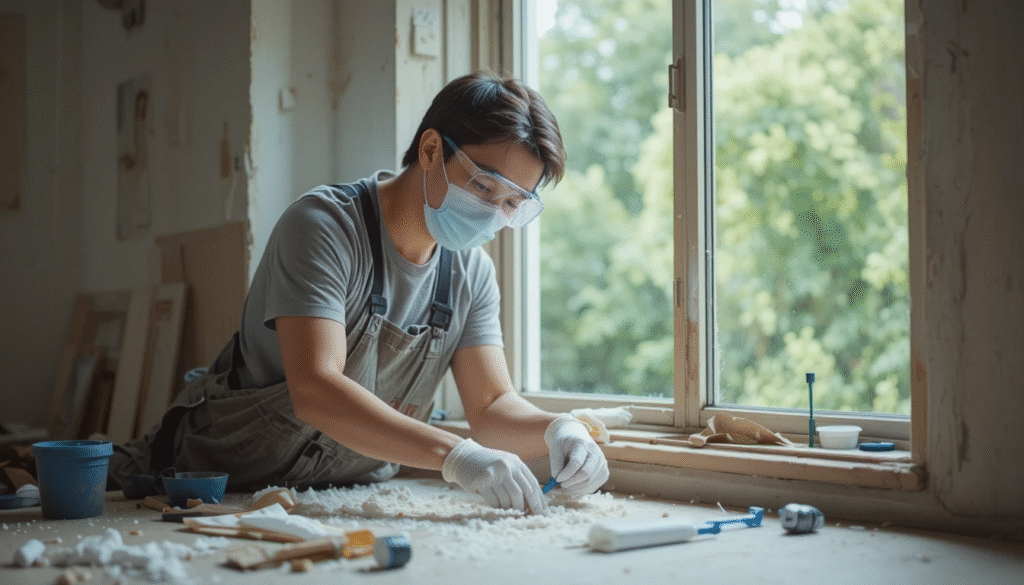
Work in a well-ventilated area, preferably outdoors, like setting up a greenhouse attached to a house. Wear gloves, a mask, safety glasses, an apron, and closed-toe shoes—no shorts or open-toed sandals, as risky as ignoring bed bug furniture removal. It’s like knowing can blow drying your hair kill lice (it can help, but precautions matter). Protect your wood and your health, like ensuring no sewer smell comes from a shower drain.
A Restored Piece, A Restored Spirit
Stripping paint from wood is like uncovering the beauty of a pink Canterbury bells or an anthurium white plant—it’s a journey of renewal. Whether you choose a chemical stripper, sandpaper, or a heat gun, each method brings you closer to a piece that shines, like a well-rolled lawn (because what does lawn rolling do if not enhance beauty?). It’s as rewarding as planting yellow lisianthus or a coleus dragon heart, and as practical as knowing can you pour concrete in the winter (yes, with care!). So, grab your tools, pour love into your project, and let your wood glow like a cozy home with a Christmas lantern DIY.How to Strip Paint From Wood: A Heartfelt DIY Journey
There’s a special kind of magic in restoring an old piece of wood furniture, peeling back layers of history to reveal its natural beauty. Over a cozy weekend chat, my friend and I dreamed about reviving a weathered wooden table, sparking memories of our gardening and home projects. “It’s like uncovering a hidden gem, like a bougainvillea plant pink in full bloom!” I said, grinning. Here’s a heartfelt guide to stripping paint from wood, infused with emotion and woven with our favorite home and garden tips, to bring your wood pieces back to life with love and care.