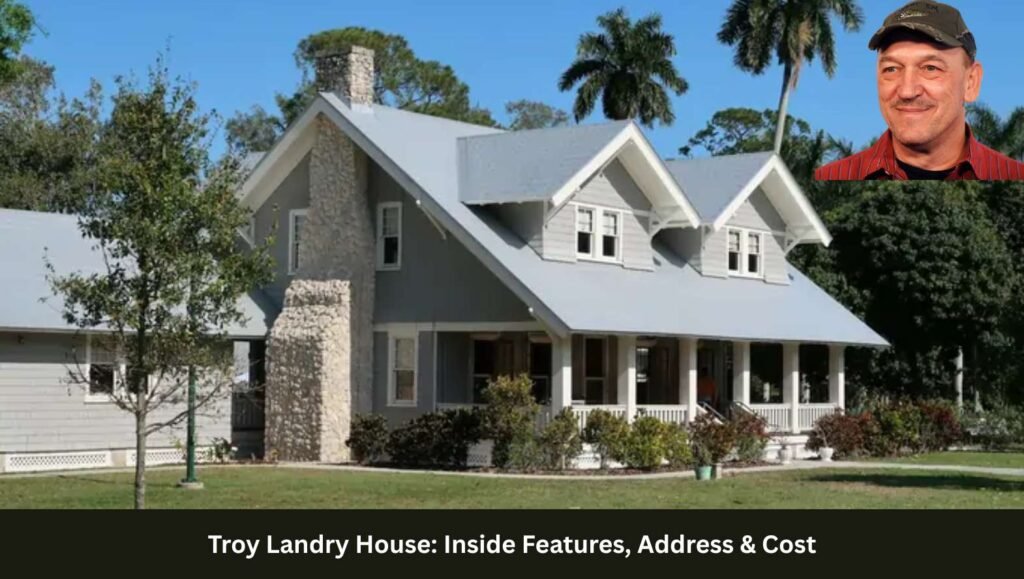
Where Swamp Meets Home Life
When one thinks about Troy Landry, he tends to imagine the person deep in the Louisiana swamps, driving a boat through the dark water and killing alligators.
The same rugged way of life is reflected in his home. It is not a fancy house in town or an upscale house constructed to be seen. Rather, it is one that is grounded and practical, Louisiana property that is connected with the land, the water, and generations of Cajun heritage.
The principal residence of Troy Landry is situated in Pierre Part, a tiny bayou town where the pace of life is as slow as that of the water.
It is a quiet rural neighborhood with twisting canals, cypress trees, and expanses of swampy wetlands. It is an area that has close family relations, an outdoor lifestyle, and the traditional Cajun culture.
Houses in this area tend to be constructed in a way that withstands flooding, and houses here are often raised up and made of durable materials that are suitable for the humid climate of Louisiana.
Getting to the property seems not a visit to the home of a celebrity but rather the home of a working family.
There are boats sitting close to the water line, there are tools neatly stored close to the water line, and the place feels occupied rather than artificial. It is a house that is a product of many years of labor, not Hollywood glamour.
Quick Tour of the premises
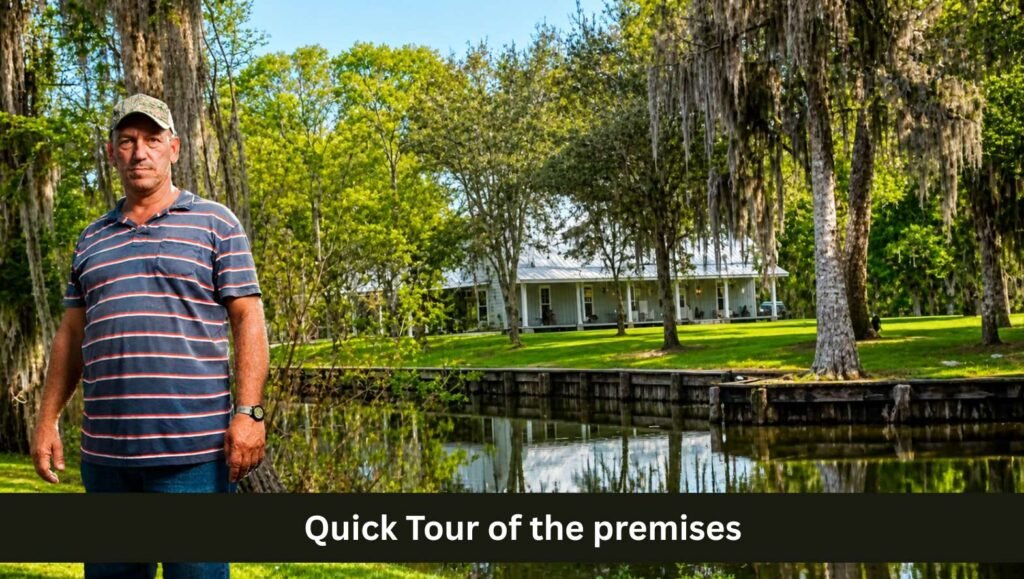
We will take an in-depth tour of the home, but before we do that, here is a brief overview of the entire house. This assists in establishing a scene prior to the exploration of each space in detail.
The first house owned by Troy Landry is thought to be situated in the Pierre Part area, Assumption Parish, Louisiana.
The house is located on a piece of land commonly found in bayou communities, where houses are usually provided with access to water.
Although the actual private address is not ever made public, the nearby area is made up of modest residential plots that are mixed with natural wetlands.
The home itself is estimated to be between 1800 and 2500 square feet, and there are other outdoor workspace areas and storage buildings nearby.
It is presumed that the lot size is generous by suburban standards, and may be one to several acres depending on the boundaries of the property.
The parcels of land in this area usually have a combination of usable yard space and swampy soil. Property-wise, Pierre Part is highly variable in terms of location and access to water.
The home of Troy Landry is estimated to have a value between 300,000 and 600,000, but the fact that he has television fame and is positioned on the waterfront may have had an effect on that number.
The home, architecturally, is a traditional Cajun-style home with raised foundations, wide porches, and durable roofing materials that are able to withstand heavy rain and humidity.
Where Troy Landry Lives
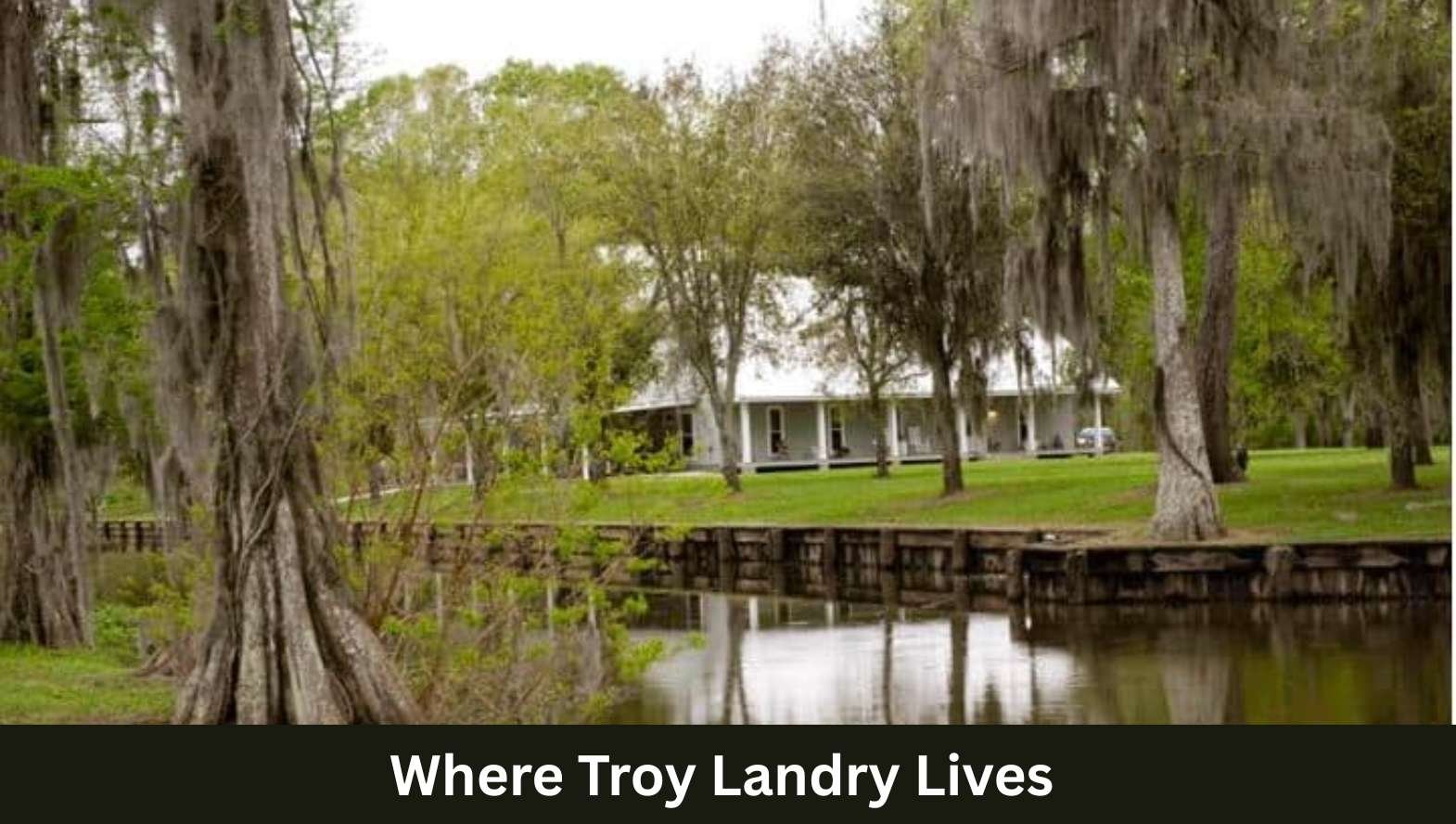
The town of Pierre Part is not well known to people outside of Louisiana, and it is significant in the life story of Troy Landry. It’s where his family roots run deep and where many generations have lived and worked in the swamps.
Pierre Part is located beside the Atchafalaya Basin, which is one of the most renowned swamp areas in America. Life here is centered around fishing, hunting, and using waterways.
People tend to use boats as frequently as automobiles. Culture is unmistakably Cajun, influenced by the heritage of the French-speaking ancestors and the strong family traditions.
In the case of Troy Landry, it is not only convenient to live in this area, but it is also a necessity.
His profession as a professional alligator hunter and his appearance on the television show Swamp People demand easy access to the swamp waters.
The fact that he is near his hunting grounds also enables him to lead a lifestyle that earned him fame.
The local community is made up of small houses, small businesses, and a plethora of natural scenery. People have a sense of community here that is not present in the bigger cities.
Neighbors are familiar with each other, families hang out in the yard, and day-to-day life is intertwined with the surrounding environment.
History of the Home
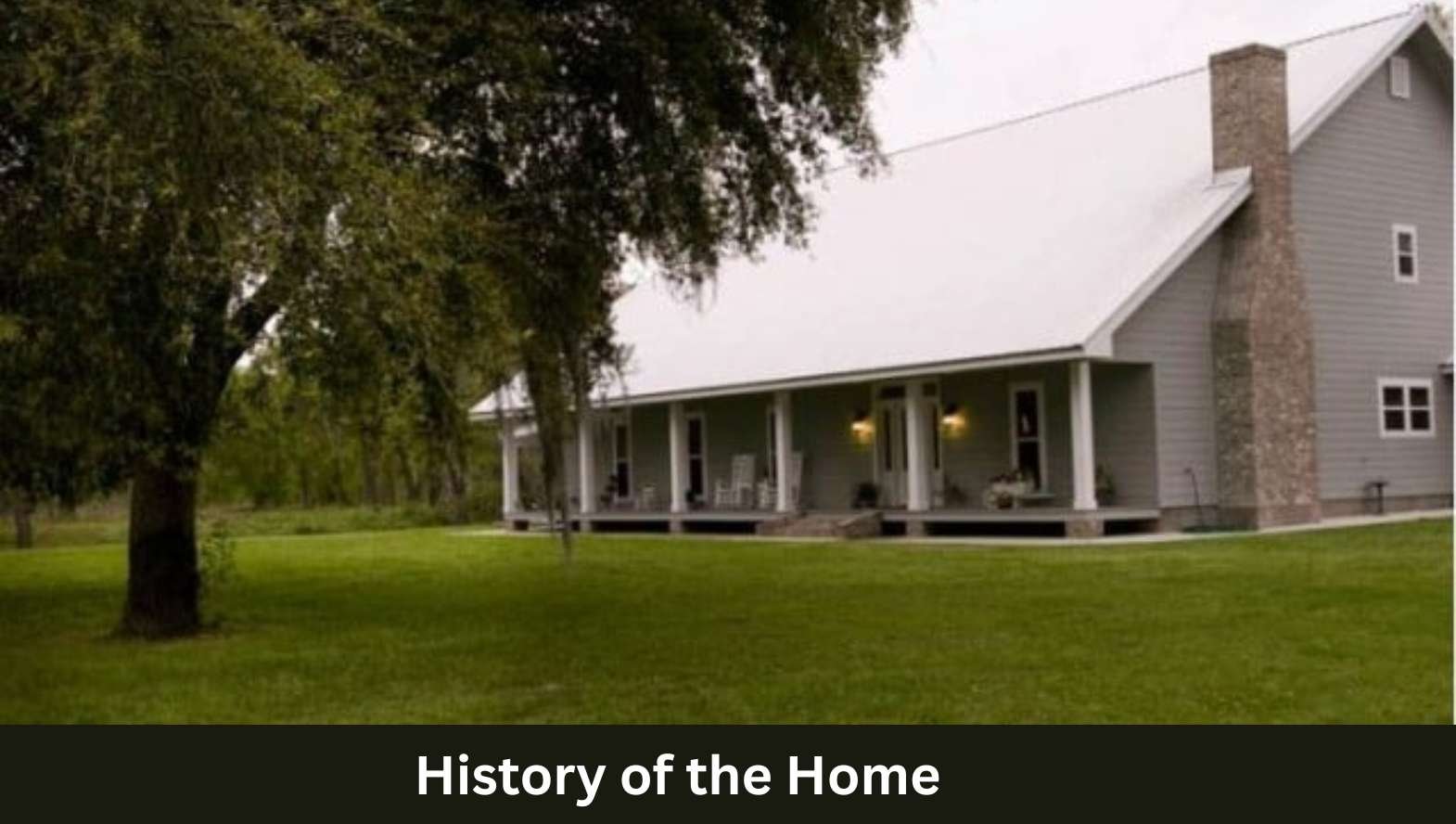
The home of Troy Landry speaks more of his family than of his television career, much like the private and family-focused atmosphere often associated with the Bill Maher house. The Landry family had lived and worked in the Louisiana swamps long before the advent of cameras, and constructed homes that were not only used as a place to live but also as a place of work.
Although precise purchase history is not widely accessible to the masses, it is believed that Troy either constructed or contributed greatly to the construction of the house that he currently lives in over time, with the addition of structures as his family expanded and his career grew.
Rural Louisiana houses are never seen as houses instantly. A porch can be expanded, a new storage building can be added, or more land can be acquired over the years.
Troy Landry earned his livelihood by traditional swamp work: hunting, fishing, and harvesting alligators as part of seasonal hunts. His house was made in such a way that it was able to sustain that kind of lifestyle. The property concentrates on functionality and durability as opposed to luxury finishes.
Troy has managed to keep in touch with his roots even after they became known to many through television. Instead of relocating to a major city or buying such a fancy mansion, he stayed in the same part of the world that made him who he is.
The Living Room: The Heart of the Home
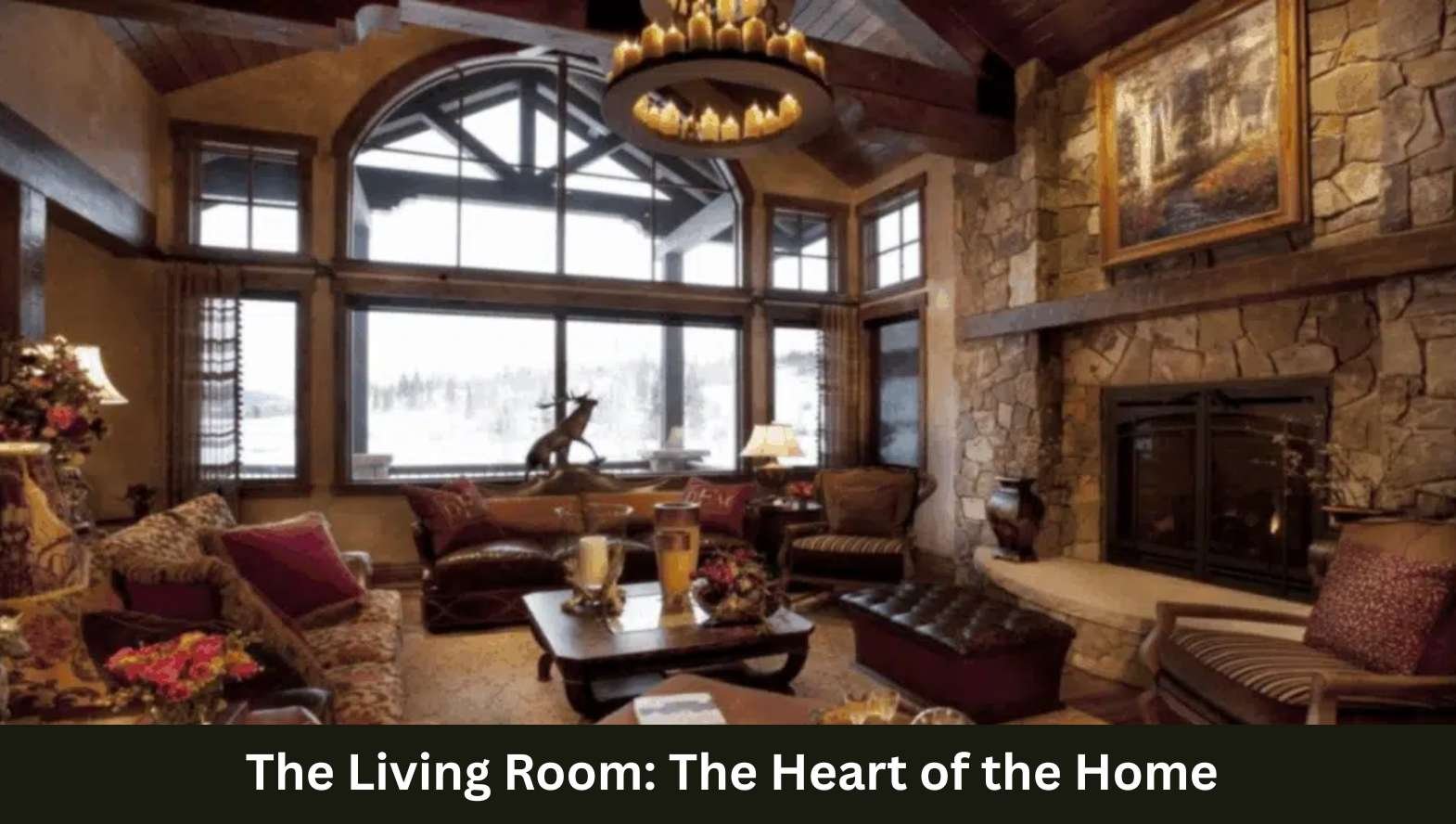
As you walk into the home of Troy Landry, the living room is the first place that makes a person feel so warm and welcoming. It is not crowded with some sweet decorations or modern art objects. Rather, the room is a reflection of years of family history and adventure in the outdoors.
The space is dominated by wooden furniture, which is usually handmade or constructed to last for decades.
Leather sofas are comfortable seats, which are ideal after spending long days in the swamp. The walls can be decorated with hunting trophies, framed photos, and memorabilia that have been accumulated over time.
The living room is probably the most popular meeting place for family members. The nights in such homes will most likely be spent telling stories, watching television, or discussing the work to be done the next day.
The large windows will enable natural light to penetrate the building, as well as provide the viewers with the landscape surrounding the building. These perceptions in Louisiana generally incorporate towering cypress trees and a running water channel.
The Kitchen: Designed to accommodate a Large Family Meal

A Louisiana family kitchen is more than a place to cook; it is a social place. The kitchen of Troy Landry is probably an indication of how food and family are valued in Cajun culture.
You should expect to see heavy wooden cabinets, large countertops, and a large dining area.
Cajun food preparation usually requires large pots and dishes with seafood, as well as family meals, hence the kitchen in this area is usually designed to accommodate serious cooking sessions.
The aroma of gumbo, crawfish, or fried catfish could perfuse the air at dinner time. This room is not only practical, but it is also rooted in tradition.
Bedrooms and Personal spaces
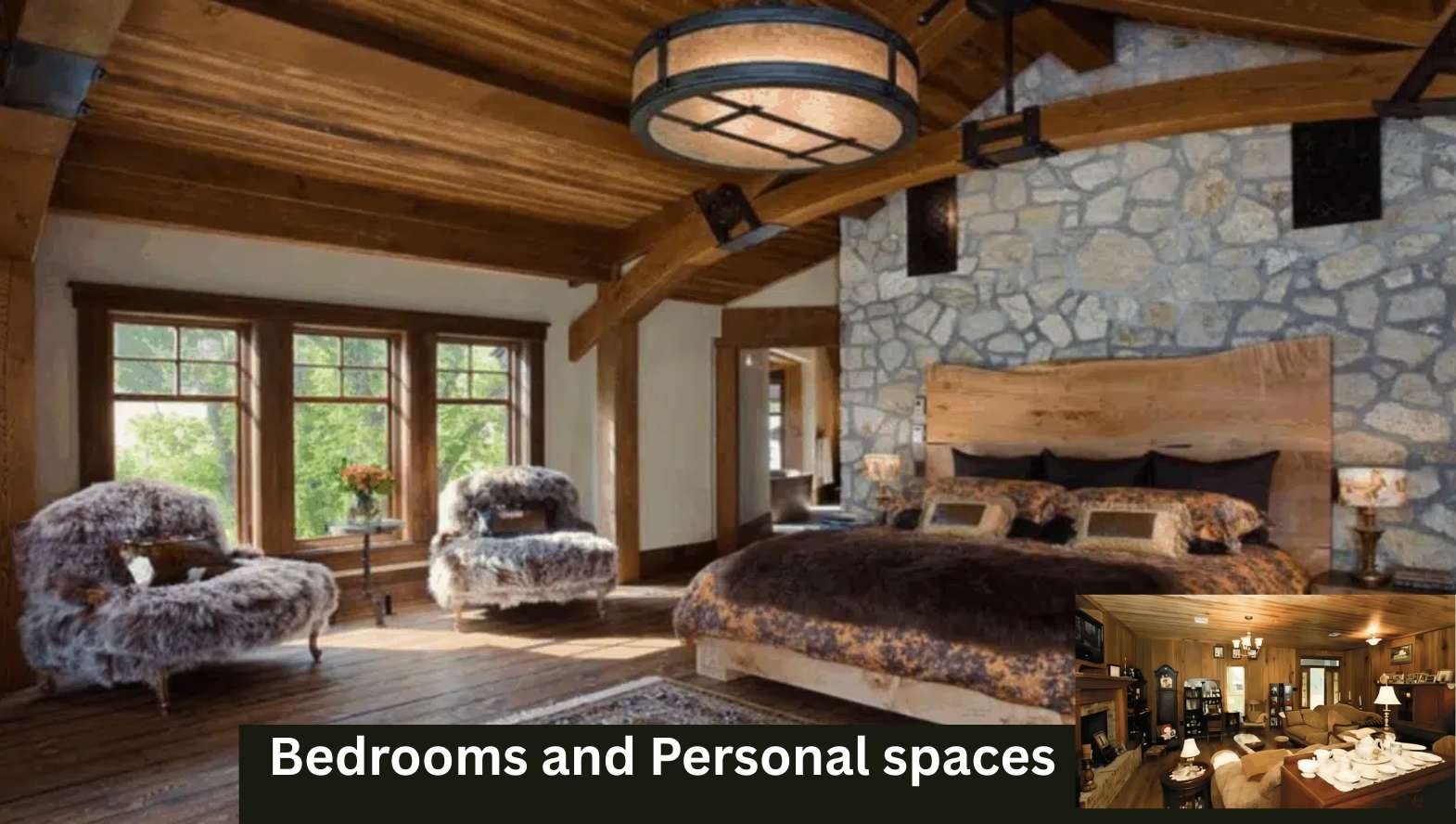
The interior bedrooms of the house are not intended to be on display, but to be comfortable. The use of neutral colors, wooden furniture, and soft lighting in relaxing spaces creates a relaxing environment.
The master bedroom should contain a bigger plan that may have attached bath amenities.
The extra bedrooms are used to accommodate the family members or visiting family. In close-knit families such as the Landrys, visitors are frequent, and therefore, additional sleeping facilities are necessary.
Homes such as these usually have practical layouts that incorporate durable materials that can withstand humidity.
Outside Design and Characteristics
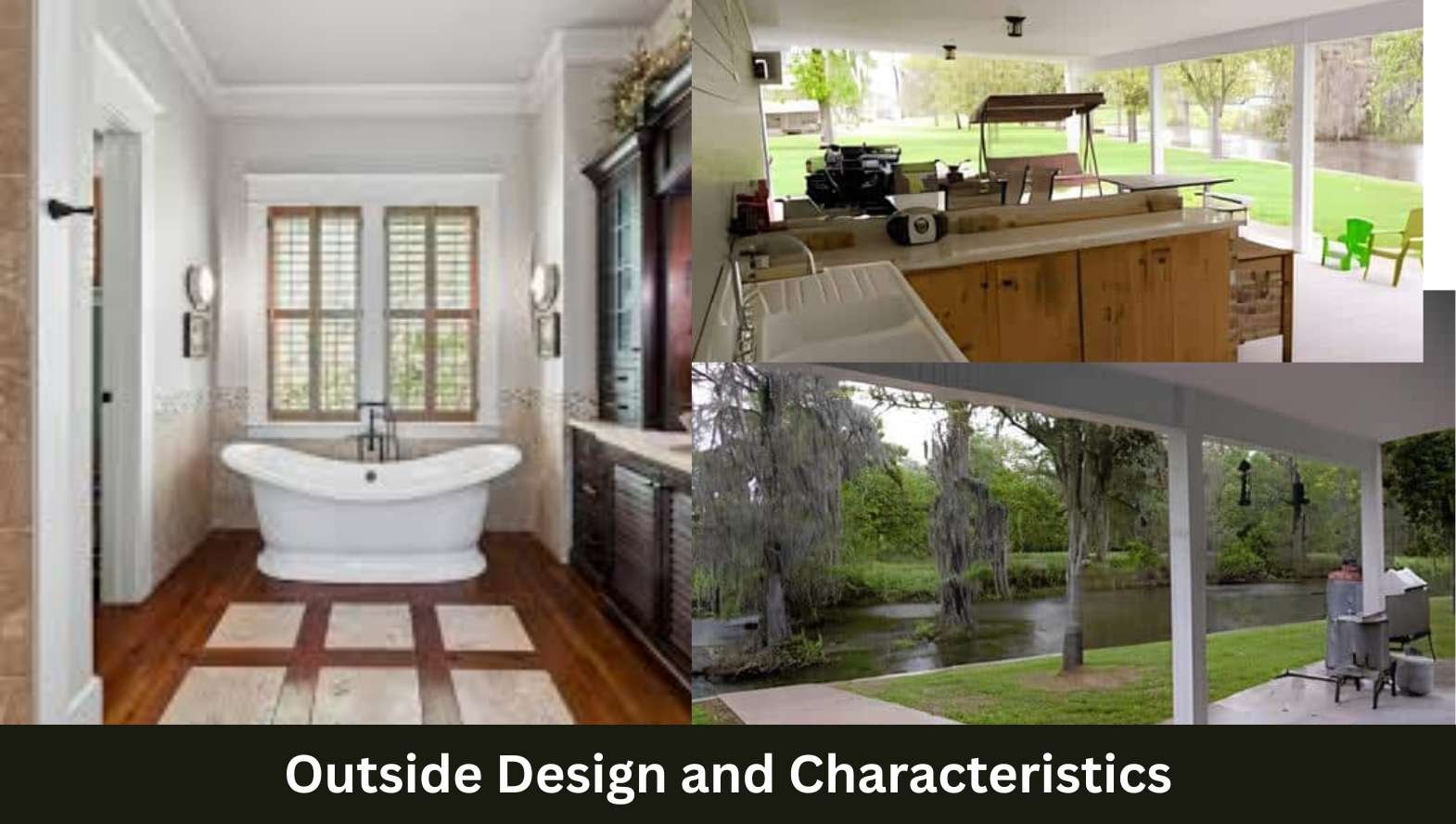
The architectural style of the home outside portrays the real world of Louisiana living. Foundations are raised in order to prevent floods, and the porches are wide enough to keep out the sun in the summer months.
The metal roofing is prevalent in the area because of its durability and withstanding heavy rainfall. Driveways to the house are often made of gravel or concrete, and often provide parking space for trucks and utility vehicles.
Porches are important in day-to-day life. They provide relaxation areas, areas to fix equipment, or to view the landscape around.
External Spaces and Environment
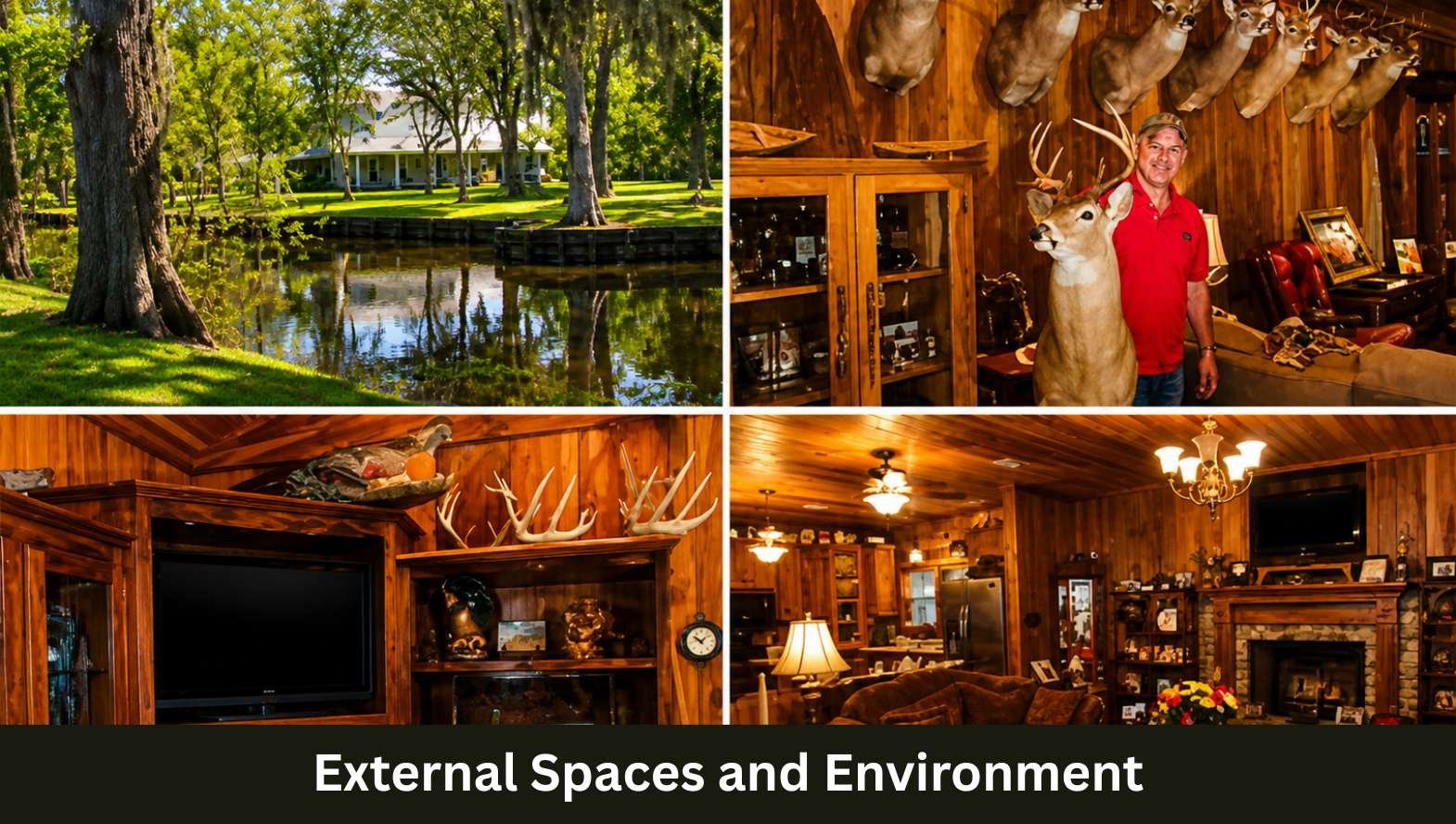
Outdoors space surrounding the house of Troy Landry are the places where a lot of everyday life occurs. The backyard is probably equipped with some useful facilities, including storage sheds, boat docks, and equipment areas.
Since Troy is working on the waterways, direct water access can be of great importance. The boats have a private dock, which they can use to launch their boats within a very short time when the hunting season opens.
Swamp landscaping is more likely to be natural as opposed to being overly manicured. The surroundings are dominated by cypress trees, moss-covered branches, and native plants.
Outdoor areas can also be equipped with barbecue areas, where family outings are held on weekends or holidays.
Other Homes or Vacation Properties

Such is the case with Troy Landry, whose career has increased his opportunities, yet he is still strongly connected with his original home.
There is public information that, although he might have access to other properties, such as hunting or filming locations, he still has his primary residence in Pierre Part.
Other reality TV stars invest in vacation houses or seasonal cabins. In the case of Troy, any other property would probably be useful, such as hunting grounds or storage facilities, and not luxury retreats. For more helpful guide on celebrity homes keep visiting styleofhouses.com.
Frequently Asked Questions (FAQs)
1. Where is Troy Landry’s house located?
Troy Landry resides in Pierre Part, Louisiana, a small bayou community that practices fishing, hunting, and Cajun traditions.
2. How much do you think the house of Troy Landry is worth?
It is estimated that the property can be between $300,000 and $600,000, depending on the size of the land and access to water.
3. What is the size of the home of Troy Landry?
The house is approximated to be between 1,800 and 2,500 square feet.
4. Does Troy Landry live in a mansion?
No, his house depicts a practical and rural lifestyle as opposed to luxury living.
5. What style is Troy Landry’s house?
It has a traditional Cajun-style building, which is frequently elevated above the ground to prevent flood damage.
6. Does the house have access to the waterfront?
Yes, as is the case in many homes located in Pierre Part, it is likely to have direct access to adjacent waterways.
7. Did Troy Landry relocate since he became famous?
He has not moved to another part of the country, although he has become famous nationwide.
8. Does Troy Landry have any other houses?
Little is known or publicly available about secondary homes, although he might make use of further properties for work-related purposes.
Concluding Remarks: A Home that Resembles the Swamp Life
The story of the house of Troy Landry is a story that transcends walls and square footage. It is a tradition, family, and lifelong work with nature, not with it.
It is not a home that is meant to amaze visitors with luxuries. Rather, it reflects on what is most important to a person who has deep roots in Louisiana culture- hard work, resilience, and attachment to the land.
As you stroll through the home, along the wide porch, to the backyard dock, it seems to you that nothing has been left out. The house is a real, stable, and just right for the lifestyle of a man called the King of the Swamp.